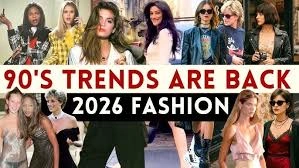
Fashion from the 1980s and 1990s is coming back because of a lot of nostalgia. This is happening at a time when the world is full of unknowns and digital technology is developing swiftly. Fashion from the 1980s and 1990s is sweeping dominating runways, street style, and social media feeds in 2026. Some of these are bright colors, big jackets, acid-washed pants, and scrunchies. This trend of mixing old and contemporary styles is popular with people of all ages, even Gen Z and Millennials. In the middle of all the craziness, it makes them feel better. Experts claim that this trend of wearing clothes from the past will revolutionize the way people dress all around the world by combining old-fashioned styles with new, eco-friendly ideas. Since last year, there have been more than 150% more searches for “90s outfits 2026” on a number of sites.
Fashion has always shown how people feel, and in 2026, the need for the familiar has taken fashion that is based on nostalgia to new heights. People are picking classic things that remind them of simpler times instead of short-lived micro-trends. This is because people are watching old comedies from the 1980s and viral TikTok challenges that make 90s grunge looks. This reappearance isn’t just a coincidence; it’s a reaction to how weary and stressed people get after an epidemic. People feel better when they wear clothes from the past. According to global trend trackers, sales of clothes that are coming back from the 1980s and 1990s rose by 40% in the first three months of 2026.This is more than the basic styles that were in style in the early 2020s.
In the 1980s, power suits with shoulder pads were a symbol of ambition and style, even if they were known to be over-the-top. This style is making a big comeback in 80s fashion, but it’s been altered to be better for the environment and people. Gucci and Balenciaga have been in the forefront of this trend by sending models down the runways for fall and winter 2026 in huge blazers and pants that sit high on the waist. This style is like the Wall Street era, but the shapes are more fluid for everyone. What causes this to happen? The social media algorithm likes “visual nostalgia,” which is when influencers mix old clothes from thrift apps with new athleisure.
A 2026 analysis from the Fashion Institute of Technology says that nostalgia fashion trends like this one increase engagement by 300% since buyers share “then vs. now” transformations. Some of the most important pieces are oversized shapes like blazers with big shoulders that look like Madonna’s famous outfits, now made from recycled wool to be more environmentally friendly; neon colors and metallics like bright leggings and lamé jackets, which used to be associated with aerobics videos, now add interest to simple outfits; and volume at the neckline with puffy sleeves and ruffles, which are inspired by Dynasty glamour, have been turned into everyday tops that look good on a variety of body types. People who embrace remix culture want to mix things up. For example, they might take an 80s leather skirt and add tech from 2026 to make it waterproof. When renowned people are involved, the wait is a lot longer. Rihanna’s recent red carpet performance in a revived 80s prom dress led to 2 million Instagram recreations overnight, which shows how popular the design is.
Flannel shirts, baggy jeans, and big sneakers were all the rage in the 1990s. This style will be the most popular in the 1990s in 2026. People today miss the time before social media when Kurt Cobain’s messy yet stylish look and casual layers influenced by Friends were popular.
In cities like New York and Tokyo, street style is full of 90s trends, like wearing ripped denim that says, “I’m not going to take this anymore!” without going too far. Here, sustainability is really important. Buying used things from sites like Depop is better for the world as fast fashion gets more and more bad news. In 2025, people all over the world spent $39 billion for antique items.By 2027, they are predicted to reach $117 billion.”Nostalgia and remix culture can help people feel better when things are hard by giving them styles they know,” says Dr. Karen Pine, a fashion psychologist.Baggy bottoms, like mom jeans and carpenter pants, are making a comeback. These are big enough to be comfortable, and they look good with bodysuits that fit well. Graphic tees and hoodies with band logos and slogans are other items. These are now printed on organic cotton in a method that is good for the environment. Also, bulky things like platform sneakers, chokers, and bucket hats provide a stylish touch to necessary things. According to Adidas, sales of sneakers that seem like they came out in the 1990s have gone up by 250%. These high street merchants, such as Zara and H&M, have swiftly made them cheap lines. High-end brands like Prada add artisanal touches to remix culture, including hand-embroidered 90s slip dresses.
Digital platforms are a key part of any conversation on nostalgic culture. Fans have been digging into their closets for clothes that match since Netflix unveiled its 2026 lineup of 80s and 90s reboots, including a Stranger Things spin-off set in the early 2000s. The #90sFashionChallenge on TikTok has been seen 5 billion times, and algorithms are giving younger people more content from the 1980s and 1990s. Instagram Reels make it even easier to keep up with trends by letting micro-influencers turn old hauls into simple rules. According to McKinsey’s 2026 report, Gen Z is the most important group of customers, accounting up almost 40% of all shoppers. They assume flashback fashion is new since they grew up with old media. Vogue Business did a survey and discovered that 68% of 18- to 24-year-olds appreciate things that remind them of the past because they are “authentic,” which is a mix of irony and real love.
The economy makes the attraction much greater. People who are weary of costs going up are buying garments from the 1980s and 1990s that last longer than fads that only last a short time. This is fantastic for the resale market, which will be worth $77 billion in 2025. The RealReal and other sites say that categories that bring back goods from the 1990s are expanding by 60% every year. Brands respond with “re-commerce” lines that repurpose old product into remix culture gems. This is good for both the earth and business. Lidewij Edelkoort, who predicts trends, forecasts that this combo will be the most popular style until 2030. “The fashion trends of the 1980s and the grunge revival of the 1990s are not just fads; they are a style guide that will last in an unstable world,” she says.
Fashion experts talk about how these trends might have an effect. Designer Stella McCartney, who talks a lot about being eco-friendly, says that nostalgia and remix culture are what make cyclical fashion viable. “Mixing 80s music with modern morals makes things that last a long time.” Virgil Abloh was a pioneer in streetwear, and his work lives on in collaborations like Nike’s 90s Air Force 1 reissues, which mix hype with legacy. This looks different on the street. Pune, India, is becoming a fashion capital, as local designers mix garments from the 1990s with traditional patterns. For example, loose kurtas are a nod to both grunge and heritage. Sales data from around the world demonstrates that Levi’s 501 jeans, which were popular in the 1990s, made 35% more money.Scrunchies, which are just simple fun from the 1980s, are the most popular things on Etsy, with millions of sales. Things that need to be fixed. Some people think that if too many people use it, it might not be real. That’s why they encourage people to be careful about what they buy. This movement is different from other revivals since it welcomes people of all shapes, sizes, genders, and races. To put the surge into numbers, oversized blazers have led to a 45% increase in sales, bringing in $12 billion; baggy jeans have led to a 55% increase, bringing in $18 billion; platform sneakers have led to a 70% increase, bringing in $9 billion; and overall vintage resale has led to a 62% increase, bringing in $50 billion. These numbers originate from research on the fashion business that shows that trends based on nostalgia make a lot of money.
If you’re new to the 80s and 90s revival, it’s easy to get started. Wear a thrifted flannel top over a plain t-shirt and straight-leg trousers. You might add an 80s touch to your outfit with neon earrings or a fanny pack, but don’t go overboard. You can use 90s cargo pants with stylish 2026 boots for a mix-and-match look. Finally, when you shop, be smart and opt for used items that are real and healthy for the earth. This lets everyone add their own twist to the larger remix culture.
Why styles from the 1980s and 1990s are making a huge comeback in 2026