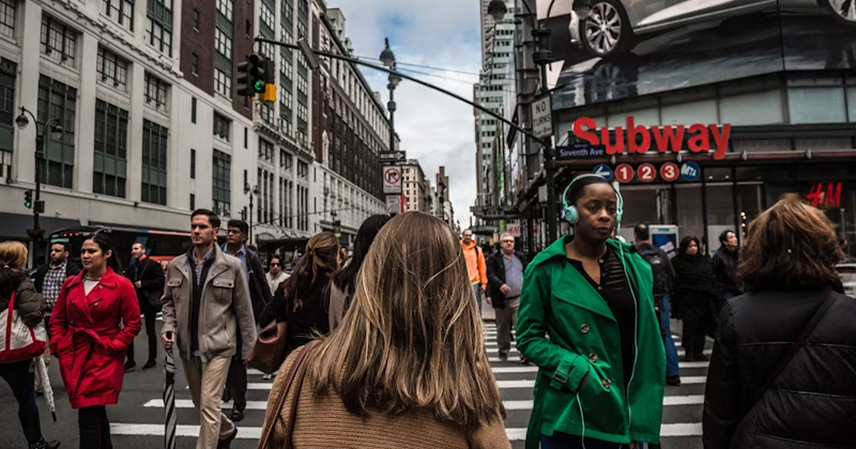
The loneliness epidemic is a huge public health concern that affects millions of people of all ages, but politicians and the media aren’t paying enough attention to it. People all over the world have this problem, which is often ignored in favor of more obvious ones. It impacts their mental and physical health.
Comprehending the Loneliness Epidemic
The loneliness epidemic is the prevalent feeling of being alone and emotionally disconnected that many people in modern society have. Chronic loneliness is different from transient solitude since it makes you feel empty all the time, even when you’re with other people. Experts in public health say that this is a situation when people don’t have meaningful relationships, which is bad for their thinking.
Over the past few decades, this problem has gotten worse because of how people live and engage with each other. Urbanization, working from home, and relying on technology have all broken down traditional support networks. In cities like Pune, India, where people move there quickly, there are shockingly high rates of loneliness as family and community ties break away.
Polls show that more than 40% of people believe they are always lonely. The most common age group is young adults between the ages of 18 and 34. This epidemic of social isolation is linked to real health problems, such higher levels of cortisol, which is an indication of long-term stress.
Historical Background and Emerging Trends
Loneliness has always been a problem, but it has gotten so terrible that it is now an epidemic that has never happened before in contemporary history. The economy flourished swiftly after World War II, which encouraged people want to be independent and put their own achievement ahead of their connections with others. Sociologist Robert Putnam came up with the phrase “bowling alone” in the 1980s to show how people were less involved in their communities. This was a sign of how things are now.
The COVID-19 pandemic sped things up recently by making people stay apart and making virtual meetings more popular. People still lived in a hybrid style after the restrictions were changed, and distant workers stated they felt 25% more alone. The National Mental Health Survey in India indicated that 10 to 15 percent of the people there are lonely. People of different generations living together in cities makes this even worse.
The World Health Organization now recognizes being socially isolated as a major public health problem, like being overweight or smoking. There are problems in developing countries as well. For example, economic mobility tears families apart, and social media in urban India, where more than 80% of people use cellphones, makes connections less important.
Here are some of the main reasons why people are feeling increasingly alone:
Less time spent hanging out in person: Since 2000, people have spent 30% less time hanging out with each other each week.
The number of families with only one member is on the rise: 28% in the U.S. and 15% in India. This makes it twice as probable that you’ll feel lonely.
Digital overload: People who spend too much time in front of a screen are 20% more likely to say they feel lonely.
We need to identify these patterns right away since loneliness that isn’t dealt with might become a problem for everyone.
Health Effects: A Public Health Emergency
The loneliness epidemic is equally as bad for your health as other health conditions, and it has a big effect on people’s lives. Being alone can cause inflammation in the body that is similar to heart disease. This raises the risk of getting a stroke by 32% and a heart attack by 29%. Meta-analyses indicate a 26% increased mortality risk, implying that prolonged solitude is as detrimental to health as air pollution.
People often feel dismal and anxious when they are alone, which is a common feeling. People who are affected have a 50% higher chance of getting dementia since being sociable protects against cognitive decline. On average, lonely people sleep 1 to 2 hours less each night, which makes things worse.
Being alone can make you less productive at work. Every year, workers who aren’t paying attention cost the economy billions of dollars. Gallup surveys show that lonely workers are 2.5 times more likely to look for new jobs. This makes a lot of people quit their employment in high-stress fields like India’s IT industry.
The effects are worse for groups that are already weak:
Seniors: More than half of seniors say they feel lonely every week, which makes them weaker.
27% of Gen Z feels lonely, which may be because they are afraid of losing out on things on social media.
In areas like Pune, immigrants who don’t feel like they belong to a culture are 40% more likely to be alone.
People are disregarding this hidden loneliness epidemic, which is putting a lot of burden on healthcare systems. By 2030, it is projected that treatments for loneliness would cost $1.5 trillion around the world.
Effects on the economy and society
The loneliness epidemic is detrimental for everyone, not just a few people. When crime rates are higher in places where people live alone, people are less likely to trust each other and communities are weaker. According to economic study, the U.S. loses $406 billion a year because people don’t go to work and new ideas aren’t coming up.
India’s growing urbanization hides the problem. People in Mumbai who feel lonely all the time can’t get involved in their neighborhoods. Students who are lonely do worse in school, receiving scores that are 10–15% lower, which keeps the cycle of unfairness going.
Companies don’t move quickly: there are a lot of wellness programs, but just a few of them aid with relationship issues. Tech companies want consumers to have AI companions, yet studies show that people feel more alone when they don’t talk to other people.
Demographic breakdowns show that the consequences are felt by many people. Young people are losing a lot of employment, older people are paying more for health care, city workers are getting less done, and immigrants are adding less to GDP since they are alone.
Why the Loneliness Epidemic Isn’t Being Dealt With
People are humiliated and don’t want to be recognized, even when the proof is terrible. This is why the loneliness epidemic continues. Loneliness doesn’t have clear indicators like bodily problems do. People think it’s their fault instead of an issue with the system. This sneaky threat isn’t getting much attention from the news.
There are a lot of problems with the policy. Warnings from the Surgeon General in the U.S. call for action, but things don’t always go as planned. About 1% of India’s budget goes to mental health, but that doesn’t include how important loneliness is to the problem. Cultural norms say that it’s good to be powerful and bad to be weak.
Things that seem like they might work:
Community cafes that encourage people to talk to each other.”Connection buddies” at work help new employees get to know each other.
Apps that help people meet in person instead of just swiping all the time.
The Loneliness Epidemic: A Quiet Crisis in Today’s Society That No One Is Talking About