“2026 is the new 2016” has been shared a lot on social media, bringing millions of people together to remember a period when things were easier. People all over the world are openly missing that amazing event from ten years ago and claiming that this year is like a spiritual sequel to it. They are making a lot of things, like TikTok montages with old-school filters and Instagram stories with 2016 choruses. This wave of nostalgia isn’t simply a fleeting phase; it’s a cultural reckoning that comes from a lot of people being sick of how complicated life is now and wanting the simple, pure fun that was popular in 2016.
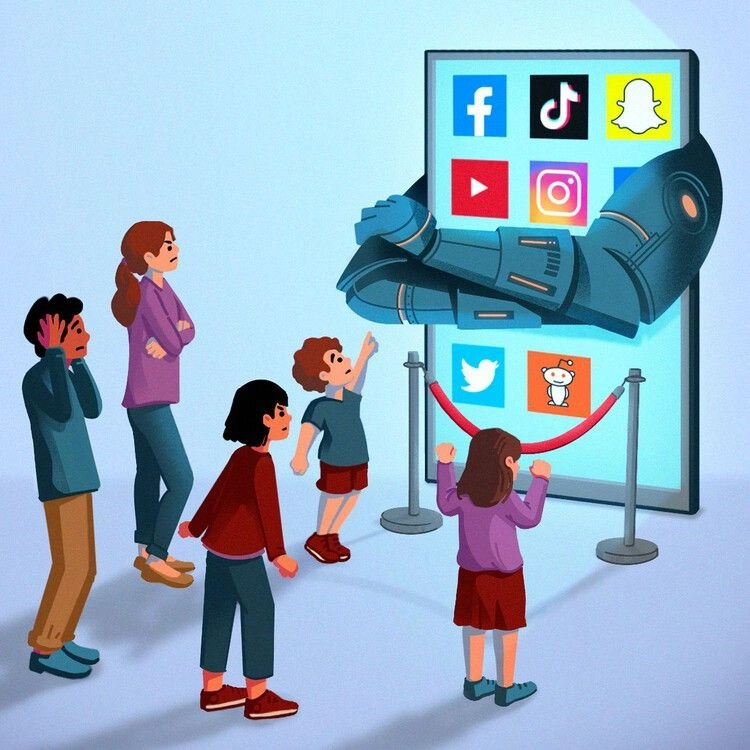
Millennials, who are now in their late 20s and early 30s, are also leading the way by posting pictures from high school when they had flip phones and headphones. It’s not only Gen Z. Reddit users started commenting about the trend, and some argued it spread so quickly because people are sick of AI-generated content and want to see more actual things on social media. Famous folks even got in on the fun. Kylie Jenner, for example, tweeted pictures of her outfits from Coachella 2016, and Ariana Grande released videos of the Mannequin Challenge. This made the word more well-known. What went wrong? A self-sustaining loop in which user interaction increases algorithmic promotion, turning personal memories into a worldwide conversation.
Bringing back famous people from 2016
The crazy stuff is all about the unique pop culture of 2016, a year full of highs that today’s dispersed feeds can’t match. Billboard’s top singles of the year, such as Justin Bieber’s “Sorry,” The Chainsmokers’ “Closer,” and Twenty One Pilots’ emotive choruses, were the songs that played at everything from prom nights to viral Vine compilations. These weren’t just songs; they pulled people together through dance crazes and sing-alongs at festivals that seemed like they were meant to be shared.
TV also found out fresh things. The first episode of Netflix’s Stranger Things got people interested and started a synth-pop revival and a wave of nostalgia for the 1980s. In July, the release of Pokémon GO transformed mobile gaming forever. Hundreds of millions of users downloaded it, and it drew people together in real life when players flocked to parks to seek for Pokémon in augmented reality. Rae Sremmurd’s “Black Beatles” song was the most popular Mannequin Challenge song in November. From big student gatherings to red carpet pranks, high school students and famous persons froze in funny poses.
Rihanna and Beyoncé donned chokers on the red carpet, while off-the-shoulder outfits were also popular at music festivals. People in athleisure made it hard to discern where the gym ended and the street began. Compared to today’s tightly edited Reels, Vine’s unedited quips and Dubsmash lip-syncs were a breath of fresh air. Captain America: Civil War and Adele’s concerts that filled arenas made everything feel like a big deal, but that sense is gone now because streaming services don’t function together anymore.
People still talk about the Pokémon GO street hunts that got people moving, the low-fi appeal of the Mannequin Challenge that drew billions of views, and the instant cult status of Stranger Things that made ’80s clothes sell like hotcakes. All of these aspects come together to make a lovely “pre-everything” feeling, like before pandemics, deepfakes, and never-ending optimization. This is why so many people were hopeful about the past in 2026.
The Psychological Reasons behind the Wave of Nostalgia
Nostalgia comes in waves, and every ten years the waves are at their fiercest. But there are a number of reasons why 2026 is going to be terrible. individuals are afraid about jobs because of AI, and there is too much digital information. For example, it will take a long time for individuals to get better from COVID. Experts claim that it’s a mental tool that helps people recall who they are and how strong they are when things change. For folks who grew up with technology, 2016 brings back memories of being a teenager and having more freedom, including group chats on iMessage, Snapchat streaks, and uncurated accounts, which aren’t as good as they are now.
Gen Z is asking, “What was life like before?””Phase” makes things from the past seem better, like real CDs and hanging out in the mall. At the same time, millennials are sad about how quickly they grew up and how hard it is to be an adult. It’s even worse that social media sites are moving away from polished ads and toward content that is more real and honest. People who post on TikTok about things that make them feel nostalgic get twice as many likes and comments as usual. People are also commenting about how weak the economy is and asking for #BringBack2016.
People who are against these things say that the Brexit vote in 2016, Trump’s election, and the deaths of prominent people like Prince and George Michael will have effects that continue for a long time. The movement doesn’t care about politics; it just wants to go away from it all and enjoy culture. It’s a protest against the sleek dystopia of 2026 and for the warmth of analog.
Metrics for Platforms and Viral Mechanics
Billions of people have seen #2016 videos on TikTok, and the number of individuals using filters is expanding very quickly every week. In 2016, the number of playlist streams on Spotify shot through the sky. This made individuals think again about how they used big brows and glittery makeup. Instagram’s carousel posts put real-life pictures from 2016 next to pictures of people who have changed a lot since then. X promotes debates such “Is 2026 really 2016 2.0?” The political shockwaves that happened when Trump took office were like those that happened in 2016. The rush isn’t slowing down, and both businesses and creators are utilizing the emotional pull to their advantage.
There are some things that are the same about times and cultural ripples.
There are genuine connections between 2016 and 2026 that go beyond how people feel. Political unrest causes “déjà vu” tweets, and fashion weeks show off ruffles, chokers, and layers that are ready for a festival, just like Coachella 2016. Music revivals bring back music that everyone can dance to, and gaming hints of AR’s return. A lot of things from popular culture are coming together right now. The Hunger Games sequels come out after Stranger Things finishes, and they all fit together nicely.
This revival has an influence on business: fast fashion stores indicate that items from the 1990s, such scrunchies and platform sneakers, are selling far better now than they did in 2016. Fashion in the 2020s was straightforward, but now large lips and winged liner are in style. It’s also affecting businesses. Memes like “bring back casual Fridays” remind people of how things were before Zoom.
Why now? A Broader View of Society
When the economy was bad and technology was everywhere in February 2026, 2016 was the last year of natural internet culture. It used to seem like things were random—friends, not feeds, found Vines before algorithms took over. People nowadays who are bombarded with AI trash and paywalls miss that type of straightforwardness. Ten is the best age because you’re old enough to make up stories and young enough to remember them well.
Why “2026 is the New 2016” Is Taking Over the Internet: A Look at the Viral Nostalgia Trend