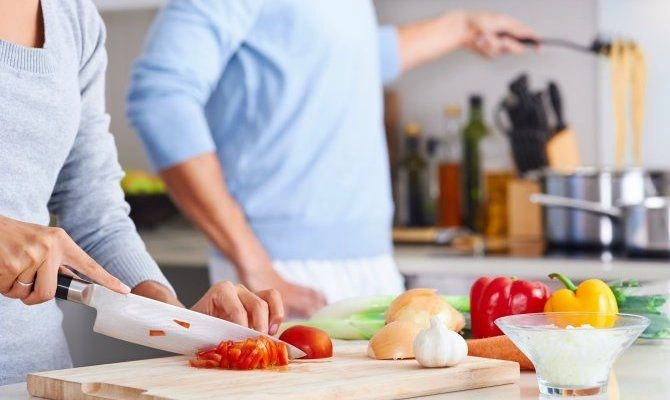
Cooking at home is making a significant comeback in a time when people are often on the go and use delivery apps. Cooking at home has become important again, both culturally and practically, after being pushed aside by convenience foods and takeout from restaurants. People are starting to cook at home more often again. This is a sign of greater shifts in health awareness, economic problems, and the need for realness in a world full of uncertainty. The trend suggests that we are really thinking about how we eat. During lockdowns, for instance, millennials are trying sourdough bread, and families are putting healthy meals first. This movement is likely to transform the way people cook and eat for a long time. Searches for home cooking recipes have gone up by more than 40% in the past year.
During the pandemic, individuals rediscovered their kitchens and their homes.
People started cooking at home again because of the COVID-19 pandemic. Because restaurants were closed and social gatherings were canceled, millions of individuals had to cook. According to a 2023 poll by the NPD Group, 65% of U.S. households prepared more meals at home during the strictest lockdowns, and many of them continued to do so once the restrictions were lifted. In India, platforms like Zomato reported a 25% decline in orders as people in cities started cooking at home more easily because of issues in the supply chain.
This adjustment wasn’t only about keeping alive. When stores ran out of supplies, individuals became inventive, which led to things like #Quarantine being popular.Cooking food for social media. Eating together and finding joy in cooking together brought families closer. Nutritionists suggest that people at this period selected home-cooked meals over store-bought ones because they desired foods that would boost their immune systems, such ginger-turmeric teas and vegetable stir-fries. McKinsey research reveal that sales of meal kits for home cooking have gone over 200% around the world, which shows that the trend is picking up speed.
Being health-conscious makes things worse.
The home cooking resurgence is all about people paying more attention to their health. Public health initiatives have made people more aware of the risks of eating ultra-processed foods, which can lead to heart disease, diabetes, and obesity. The World Health Organization states that unhealthy diets kill 11 million people every year. That’s why people need to take action. When you cook at home, you can choose exactly what goes into your food. This means that there is less sodium, sugar, and preservatives than in takeout.
Check out how popular low-carb and plant-based diets have grown. People who cook at home can easily adjust recipes by using olive oil instead of butter or adding superfoods like quinoa and kale. According to a study from Harvard, those who cook at home a lot eat 200 less calories a day and have lower BMI rates. The American Psychological Association says that chopping vegetables on purpose lowers stress, just like meditation. This is another good thing for mental wellness.
Important health data that explains the trend:
USDA data shows that people who cook at home eat 30% more vegetables.
Families that cook at home drink 15% fewer sugary drinks.
Cooking at home lets you better control your servings, which cuts down on food waste by 25%.
Dr. Michael Greger, who penned How Not to Die, is one of the experts who thinks this modification is a good idea. They argue that easy ideas for cooking at home can help people stay healthy without having to join a gym or follow a fad diet.
The necessity to preserve money and the pressure of the economy
Because of inflation and the rising cost of living, cooking at home is a good method to save money. The UN Food and Agriculture Organization forecasts that food prices around the world will rise by 14% in 2024. This makes going out to dine feel special. The average cost of a supper for four at a mid-range restaurant in the U.S. is $80. Using pantry items at home costs $20. Families in India can save up to 40% on groceries by planning ahead. This is because home culinary modifications work well with cheap spices like turmeric and lentils.
This inexpensive technique to cook at home is popular with individuals of all ages. Young professionals and gig workers are most affected by incomes that aren’t going up. To save money, they are starting to batch cook, which involves creating curries or stews for the week. Social media influencers make things worse by publishing budget-friendly cooking challenges and giving suggestions like how to make cheap one-pot dinners that feed a lot of people. According to a Deloitte study from 2025, growth will keep going. This is because 70% of people want to cook more to avoid “shrinkflation,” which is when things in packages are smaller but not cheaper.
New technologies are making it easier for beginners to do things.
People used to be afraid of cooking at home, but not anymore. Things are a lot easier thanks to smart appliances. Customers on Amazon say that Instant Pots and air fryers cut cooking times by 70%. Sous-vide devices make sure that everything comes out perfectly, and apps like SideChef give you voice-guided instructions.
Modern home cooking is possible in developing countries because to cheap induction cooktops and multi-cookers like India’s Prestige and Hawkins models. According to a Statista research from 2024, 55% of new cooks said that gadgets were what made them desire to cook. These products fit into busy schedules, so you may create healthy meals at home without losing taste.
Nostalgia and sustainability are two cultural changes.
Nostalgia and sustainability are two reasons why home cooking is coming back. Younger folks who don’t know how to cook like their grandparents are reconnecting with their past through traditional family cuisine. In cosmopolitan communities, fusion dinners mix foods from different cultures. For example, Korean bibimbap with Indian spices. This goes against the idea of “fast fashion,” which says that items are only good for a short time. Instead, it supports “slow food” movements based on Alice Waters’ “farm to table” notion.
Cooking at home is better for the environment since it makes less carbon. A study by the University of Michigan found that meals from restaurants create 2.5 times more pollution than meals eaten at home because of the packaging and delivery. Sustainable home cooking cuts down on waste by composting rubbish or making frittatas out of leftovers.
Sustainability wins:
The EPA says that home cooks waste away 50% less food.
Buying food from local sources is good for the town’s economy and farmers.
More and more people are interested in eco-friendly home cooking, such making meals that don’t waste anything.
Issues and the Path Ahead
There are still challenges, even though things are getting better. Some people don’t want to do it because they don’t have enough time, and parents who work say they’re too weary. Two approaches to find solutions are meal prep home cooking tips and subscription boxes that give you pre-portioned supplies. Don’t have the skills? MasterClass has cheap online classes that help them solve their challenges.
Some people argue that packaged “health” foods are like home-cooked meals, but experts advise that the best way to regulate the food is to make it fresh. As supply systems get back to normal, people are cooking at home again. Policies like school nutrition programs that teach youngsters how to cook help with this.
Why people are starting to cook at home again