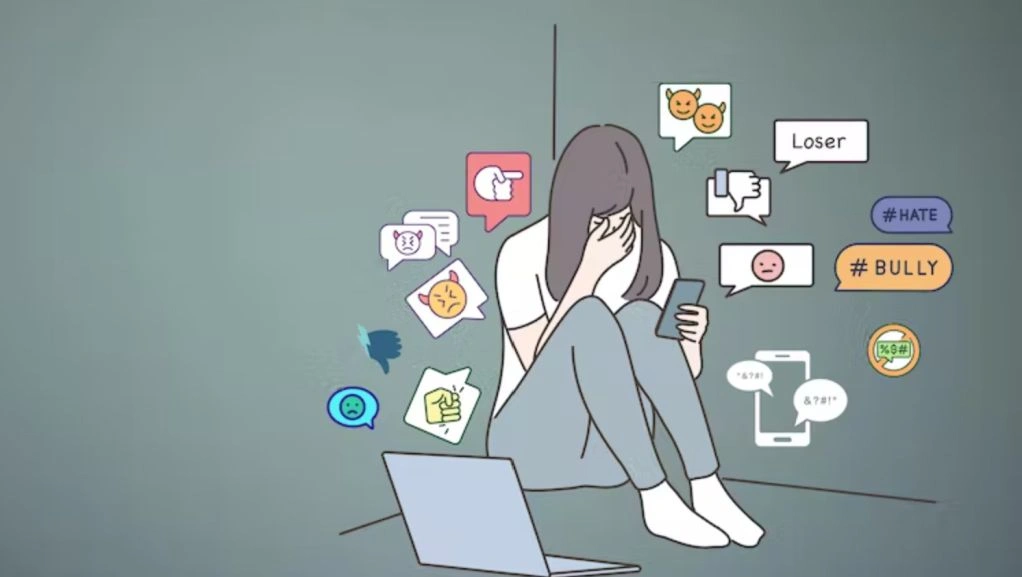
Screens are a big part of our life these days, and more and more research reveals that the internet might be making it hard for us to feel fully. This behavior is commonly called “digital emotional numbness,” and it makes us think about how individuals connect with each other in a society that is too connected.
The Rise of Digital Emotional Numbness
The internet has changed the way we deal with our feelings. A lot of individuals don’t react to things as much because they’re always around them. Psychologists say that people who are always scrolling through social media feeds are assaulted with high-intensity stuff, from viral indignation to carefully chosen perfection. This slowly makes them less emotional. Over time, this overstimulation has results that are similar to sensory overload, which is when the brain suppresses its sensitivity to keep things in balance.
Research in cognitive science shows that algorithms put engagement ahead of mental health, which creates echo chambers that make strong feelings stronger and mute weak ones. For example, a regular user sees thousands of posts every day, and all of them try to get their attention by being shocking. This makes the amygdala, which is the part of the brain that controls emotions, fatigued. When you’re tired, you can’t sense emotions, and happiness isn’t as strong. Over time, you also lose the ability to understand other people.
How continually being connected affects the brain
Long periods of time spent online can change how neurons work together, which can make people feel numb. Neuroimaging research indicates that prolonged screen exposure correlates with diminished activity in brain regions governing emotions and empathy, particularly the prefrontal cortex. People who read brief texts a lot tend to focus on fast dopamine spikes instead of getting emotionally involved over time. This could lead to affective flatness.
Dr. Cal Newport, an expert on digital minimalism, says that this numbness is produced by “attention residue,” which means that being busy keeps you from feeling things deeply. Statistics show how bad the problem is: Americans now spend more than seven hours a day in front of a screen, and a third of that time is on social media. This constant interruption messes with the normal flow of emotions, making people feel like they’re not connected to each other.
Some important physiological implications are less gray matter in brain areas connected to empathy, more stress at baseline from notification pings that keep happy feelings from happening, and trouble figuring out what other people’s expressions mean when they show subtle emotions.
How Social Media Makes People Less Aware of Their Feelings
Seeing a fake version of reality on social media makes people feel even more emotionally inert. Filters, likes, and highlight reels set phony standards that make people feel jealous and not good enough, which makes it hard for them to be honest about how they feel. People talk about “doomscrolling,” which is when people get bored of feeling sorry for others because they keep hearing bad news. This means that even sad things don’t evoke much of a response.
Consequences for Mental Health Investigated
If you feel emotionally numb, you are more likely to experience mental health issues including anxiety and despair. The World Health Organization claims that these diseases have gone up by 25% over the world since the epidemic began in 2020, when a lot more people started using the internet. People who don’t feel pain hide out in digital areas to avoid it, which keeps the cycle going.
“High-functioning numbness” is what therapists call when people can still get things done but don’t feel joyful or motivated. Blue light that keeps you from sleeping makes this a lot worse by messing with way your brain processes emotions while you sleep. Gen Z and other generations that are at risk are quite likely to be affected: 60% said they often feel emotionally distant when they use social media.
Problems that are all linked include anxiety from continuously comparing yourself to others, depression from dopamine reductions after scrolling that feel like withdrawal, and burnout from too much work that makes you emotionally depleted.
Counterarguments: Does the Internet make feelings stronger?
Some studies claim that numbness isn’t always true, and others say that the internet makes feelings greater. As evidenced by worldwide movements that bring millions of people together, live broadcasting and memes can make people joyful or sad. Supporters say that technology makes people more conscious because it lets them connect with things that are far away, which helps them feel more than they do in real life.
But this “amplification” isn’t often that deep. People get mad immediately, but they don’t do anything about it straight away. This shows that people are acting out of anger instead of deep emotion. Longitudinal research refutes the optimism: despite interconnectedness, loneliness epidemics endure, with 36% of persons indicating experiences of isolation in recent polls.
Opinions from professionals and examples from real life
Talking to famous individuals makes the conversation more interesting. Mary Helen Immordino-Yang, a neurologist, says that using screens affects “complex emotional reasoning,” which is very important for society’s health. She talked about fMRI scans in a recent TED Talk that demonstrated less brain synchronicity in online empathy assessments than in person exams.
It’s easy to observe how things affect people when you look at case studies. A CEO from Silicon Valley quit using social media because it was bad for his marriage. He was back to normal in a few weeks after he stopped. The “hikikomori” epidemic in Japan, where young people become isolated by spending too much time online, is also connected to deep emotional voids that impact millions of people around the world.
The data are clear: 70% of teens feel worse after using social media, adult empathy scores have dropped 10% since 2010, and 40% of workers who are having trouble with these effects are now attending “digital detox” programs at work.
How to Get Your Emotional Energy Back
You have to do things on purpose to stop feeling numb online. Digital minimalism says to put the most important items at the front of your feeds and only use them for 30 minutes a day. Apps like Freedom help you focus and feel more profoundly by cutting down on distractions.
Guided meditations that help people become aware of feelings they have been ignoring are one example of a modified mindfulness practice that works online. Reading genuine literature and going for walks in nature are two things you may do offline that can wake up dormant circuits. Experts say that “emotion journaling” is a great way to show how you feel when emojis are everywhere.
Setting restrictions on your phone’s built-in timers can help you be more empathetic by 20%. Another way to create more oxytocin is to have dinners sans devices once a week. You can also stop following sources of negativity so you don’t get too much.
Parental guidance is essential; supervision produces superior results compared to outright prohibitions, fostering discernment in a digital era.
Is the Internet making us feel bad? How to Fix the Problem of Being Desensitized by Technology