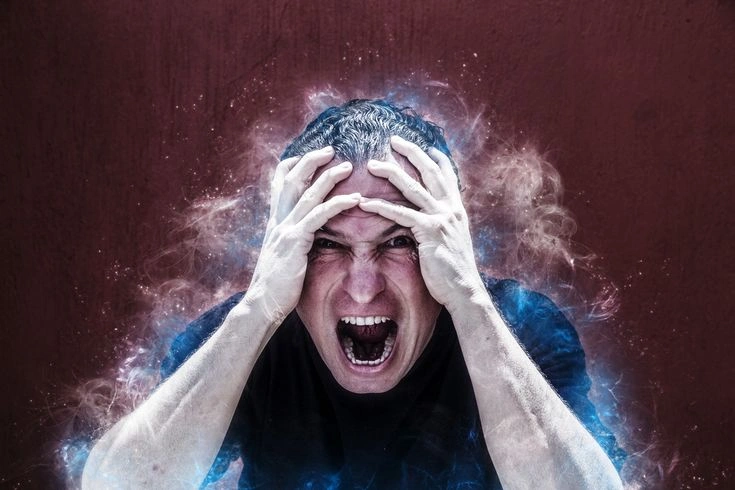
A lot of digital communication is hostile. It may convert routine talks into viral storms in only a few minutes. Many people use the terms “digital fury” or “keyboard warrior rage” to describe this. It teaches us a lot about how technology influences how people act.
Psychology of online rage tells us why people get mad so quickly on the internet. One tweet can get people from all across the world to respond, for instance. When algorithms give more weight to emotional content, people turn small debates into huge fights with millions of people. This article talks about the mental, social, and technical reasons for this sudden fury and what it means for society and mental health. It’s crucial to know how these systems work because online anger is having a growing and bigger effect on politics, society, and public opinion.
The Growth of Digital Rage
When people are really angry about something they see on social media, news sites, or forums, they show it online. A poorly written post can quickly lead to doxxing threats, cancel campaigns in real time, and boycotts.
This is how quick the internet is because of how it operates. Facebook, Reddit, and X (previously Twitter) use algorithms to show postings that get a lot of likes and comments. For instance, people are much more likely to click, share, and comment when they are angry than when they are not. People get furious again when they see posts that make them feel horrible.
This works well because individuals are trained to act rapidly on their feelings when they are angry online. Evolutionary psychologists say that anger used to help people survive by warning groups of danger. When people are online, they can’t think clearly, which makes them behave rapidly.
Confirmation Bias and Echo Chambers
Confirmation bias, or the inclination to look for evidence that supports what you already believe, makes things worse. People go to echo chambers where they can only hear one point of view. This makes them further angrier at others who don’t agree with them.
Social media algorithms make this worse by showing users posts that agree with what they already believe. When you see things that are like what you believe, it makes you more upset because it makes you think that everyone else agrees with you and that your anger is essential. What happened? People who answer quickly and don’t think about the bigger picture make fights move faster.
Big Biases in Action:
Confirmation bias is when you don’t pay attention to evidence that goes against what you think.
The availability heuristic suggests that things that have happened lately or that are highly evident look more threatening.
Negative news sticks with you longer because of negativity bias, which makes you angry faster.
These mental shortcuts make people on the internet angry quicker, which transforms fights into battles.
How Anger Spreads Like a Virus: Emotional Contagion
Psychologists term this idea “emotional contagion,” which means that feelings spread online like germs. Anger spreads, just like yawning. People are more likely to feel and display wrath when they see it in a comment box.
Neuroimaging studies show that staring at angry faces turns on the amygdala, the part of the brain that handles emotions and fear, in less than a second. When someone publishes something angry on a site that sends out notifications straight quickly, it causes a chain reaction: one angry message warns followers, who then do the same thing, and so on.
Another part of the psychology of anger online is being anonymous. People feel more free when they’re behind a screen. This is what happens when people are less inhibited online. People say things online that they wouldn’t say in person. This causes “toxic disinhibition,” which makes people forget how their behaviors affect the actual world and makes cycles of anger happen faster.
Algorithmic Amplification: How Technology Makes Anger Worse
People who make social media sites do so to make money, not just for fun.
Algorithms put content that generates a lot of reactions at the top of the list since it keeps people on the site longer. People are more inclined to stay interested in posts that make them mad for a longer time.
Some of the main things that speed this up are unrestricted scrolling, which keeps people doomscrolling through anger bait; push alerts, which let you know about conflicts right away; and reply amplification, which encourages angry remarks and drowns out logical voices. This is where the study of online anger and behavioral economics meet. Platforms use loss aversion, which means that consumers are afraid of missing out on a “pile-on,” to get users to act quickly without thinking. Why does the internet become angry so quickly? It can’t be stopped because of algorithms.
Physiological and neurological basis
When you’re angry online, it’s not only in your head; it’s also in your body. When you’re upset, your brain makes more cortisol and adrenaline. This makes the prefrontal cortex, which is in charge of making wise decisions, not work as well.
People post before they think because of this “amygdala hijack.” They type without thinking. When you vent, your heart rate goes up, much like when you’re in danger.
It becomes worse with time. People who spend a lot of time on social media are more likely to be aggressive. This is because getting angry over and over again changes how their brains work, which makes them react faster.
What it does to mental health
People who get mad online hurt themselves. It gives you tiny bursts of dopamine when you feel good about yourself, but in the long run, it makes you miserable and nervous.
People who take drugs a lot claim they are more terrified, and “outrage fatigue” could make them stop caring. People who are harassed go through trauma, and if they feel bad about what they did subsequently, they could impair their morality. Communities can also fall apart; anger undermines trust and draws people apart in real life.
Experts say that “outrage literacy” schools should teach students how to find things that make them angry.
Effects on society as a whole
When people become mad online, it damages democracy because it gives extremists more power than moderates. It spreads misinformation (angry shares outnumber fact-checks) and real violence.
Boycotts cost businesses billions of dollars and make bad behavior seem okay.
But there are good things: anger led to movements like #MeToo, which showed that anger can lead to change.
The Science of Anger Online: Why People Get Angry So Fast on the Internet