We shop differently now that we can acquire stylish stuff for very little money because of quick fashion. But it hurts the environment a lot. People all across the world have too many clothes, and the industry’s unregulated growth hurts ecosystems, makes climate change worse, and makes it harder to make the world more sustainable.
The Global Power of Fast Fashion Grows
People discard away garments from quick fashion stores like H&M, Zara, and Shein. They make new collections every week to keep up with what’s popular on the runway and on social media. More than 100 billion clothes are created around the world every year, therefore this model puts speed and volume ahead of durability. This machine works in industrial hubs in nations like Bangladesh, Vietnam, and India, where enterprises work around the clock to suit the needs of rich customers.
The best part is that it’s cheap and quick. People can get the newest big trend for less than $20. This ease, however, hides a bigger problem. People buy 60% more clothes now than they did 20 years ago, yet they only keep each piece for half as long. This has never happened before. Environmental experts say that if nothing is done, rapid fashion could have the same influence on greenhouse gas emissions as shipping and aviation by 2030.
Important Numbers About How Water Affects Things:
It takes 2,700 gallons of water to make one cotton T-shirt. That much water might last one person for two and a half years.
Polyester, which makes up 60% of clothing fibers, lets off microplastics when you wash them. One load can send 700,000 tiny strands into the ocean.
According to the UN Environment Programme, textile waste water is to blame for 20% of all industrial water pollution in the world.
These numbers show how quickly the desire for resources in fast fashion makes freshwater scarce in places that are already weak.
Carbon emissions are making the climate shift.
Fast fashion is bad for the environment because it puts more carbon into the air than all of the shipping and flying that happens between countries. Factories that consume a lot of energy and supply lines that go around the world all release CO2. Polyester and other synthetic fibers derive from oil and need fossil fuels to be made. Every year, they let out 700 million tons of greenhouse gasses into the air.
Transportation makes things worse. For instance, clothes have to cross oceans several times before they arrive to retailers, and air freight is the fastest but dirtiest way to get popular drops. Shipping goods from Asia to Europe or the US over long distances releases the same amount of CO2 as 15 million tons of CO2 per year. When you burn or throw away unsold merchandise, it releases methane, which is a powerful greenhouse gas.
Experts from the Ellen MacArthur Foundation said that if people keep buying things the same way, the industry’s emissions might go up by 60% by 2030. The Paris Agreement indicates that this way of doing things goes against what it desires, which is to make fast fashion a large part of the climate crisis.
Landfills are full of textile trash.
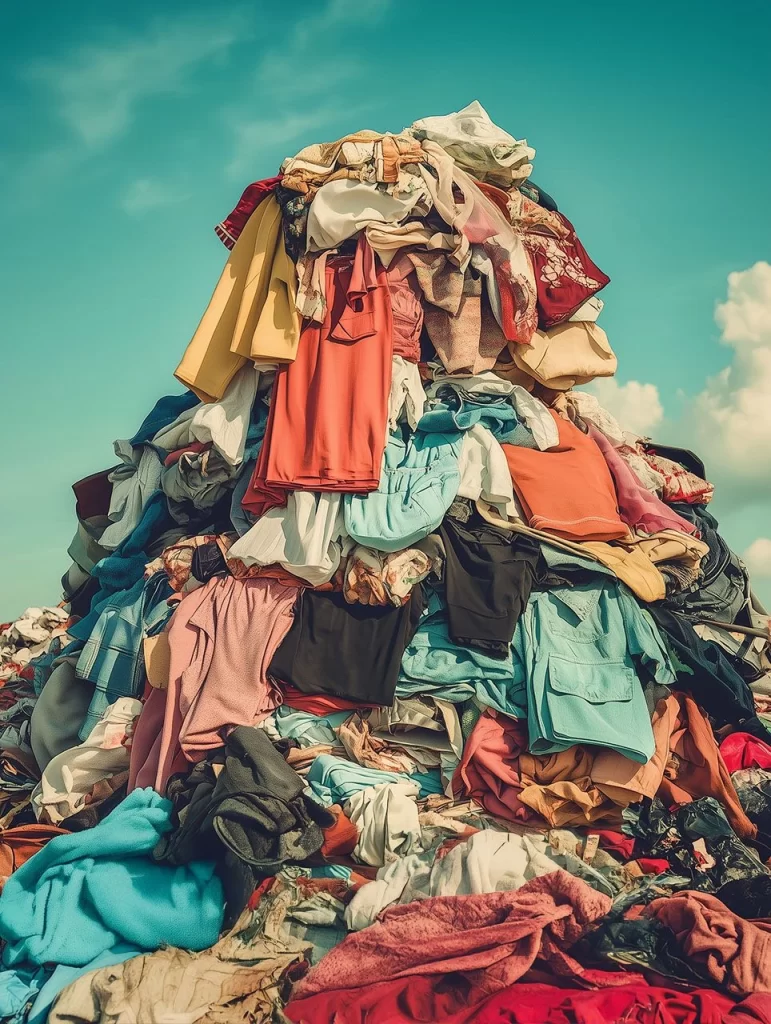
Quick fashion makes a lot of trash because it’s so easy to throw away. Every year, 92 million tons of textiles end up in landfills, yet only 12% of them are recycled the right way. Every year, people in the US toss away 17 million tons of clothes. That’s a lot of trucks every second. A lot of stuff ends up in developing countries, like Chile’s Atacama Desert, where 39,000 tons of old clothes make deadly dunes that release chemicals into the ground.
Recycling doesn’t work since it’s hard to separate materials like cotton, polyester, and elastane. This implies that 99% of them can’t be recycled. Brands help by creating too many garments. For instance, Shein manufactures 6,000 new fashions per day, yet only half of them sell. This extra rubbish makes things tougher to handle. For example, incinerators in Europe release dioxins while landfills in Asia are getting too big.
Waste by Area:
Every year, 5.8 million tons of trash are burned or sent to landfills across Europe.
Asia is where Western goods go to die; every week, Ghana gets 15 million used clothing.
By 2030, the amount of textile waste is expected to reach 134 million tons if nothing changes about how textiles are made.
Costs for People and the Environment
Fast fashion not only pollutes the air, but it also hurts the variety of life on Earth. Cotton grown in monocultures with a lot of herbicides kills pollinators and destroys habitats. Tanning leather, on the other hand, hurts wetlands. The Citarum River, which is Indonesia’s largest textile river, has a lot of heavy metals in it that have killed many birds and slashed fish production by 80%.
How to find alternatives that last
New solutions bring hope. Services like ThredUp, which keeps 100 million pounds of waste out of landfills every year, are making renting, reselling, and fixing clothes in a cycle more and more popular. Patagonia and other companies who employ 87% non-virgin fibers are leading the way in using recycled materials. Mushroom mycelium or lab-grown cotton materials that break down on their own are good options.People who believe in “slow fashion” want others to buy less and choose quality over quantity. Good On You and other apps provide brands ratings based on their principles. This gives people more choices. Policymakers want to provide people reasons to recycle, like tax breaks for recyclers and curbs on dangerous exports. Demand forecasting and other technologies that use AI cut down on overproduction by 20% to 30%.
New Answers:
Levi’s is testing out digital IDs that can keep track of things that need to be recycled.
Enzymatic Recycling: This approach uses chemicals to break down blends and gets back 90% of the fibers.
Vertical farming cuts the amount of water needed for cotton by 95%.
We need to fix fast fashion because it hurts the environment. Act right away