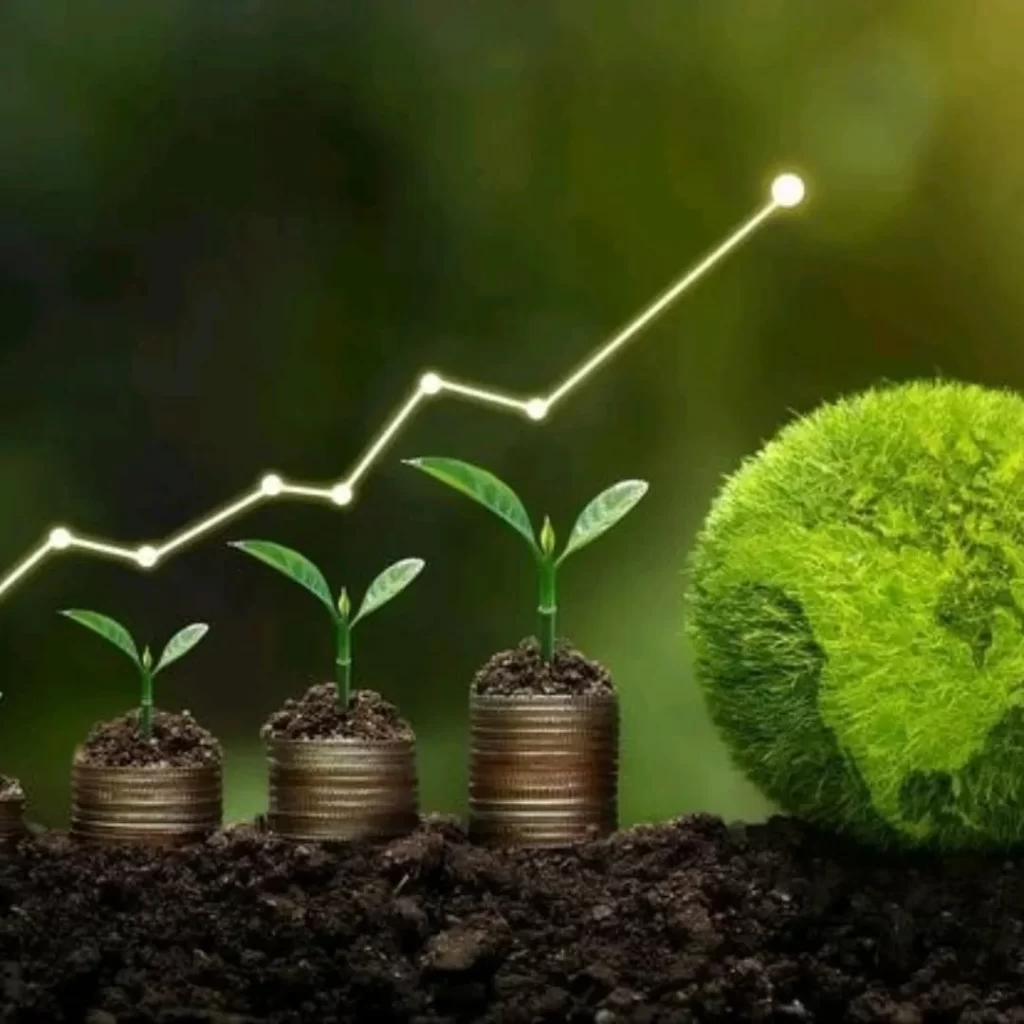
Mindful and sustainable consumption is a global lifestyle movement that is changing how people live at a time when the earth is in peril and resources are running out. This change shows that people all over the world are making better choices that are healthy for both their own happiness and the health of the Earth.
People are learning more and changing how they buy things.
These days, people are more careful about what they buy. They think about things like quality and ethics instead of just going with their gut. The PwC survey indicated that even consumers who don’t have a lot of money are willing to pay 9.7% extra for products made from materials that are beneficial for the environment. After 2024, when natural disasters and challenges with the supply chain made people desire to know more about how goods are manufactured, this trend got stronger.
Mindful consumerism lets you think about what you buy: Will this last a long time? How bad is it for the world? These kinds of products help you get rid of things you don’t need and save money, which is good for your health. 52% of individuals around the world stated they wish to eat less red meat and more fresh fruits and vegetables. This shows that people are eating in a way that is good for the Earth.
The most important things that are making the revolution happen
People are paying more attention to what they buy and how it affects the environment for a multitude of reasons.
People are learning more about how climate change affects things like terrible weather and the death of animals. This is why more people look for goods that are beneficial for the planet.
Mindfulness practitioners are 64% more likely to engage in eco-friendly activities, indicating that awareness of one’s mind can influence moral decisions.
Economic incentives: Prices don’t go up when you spend less.
Policy Momentum: In 71 countries, 530 policies for sustainable consumption were in place by 2024. This was 6% more than the year before. There will likely be more in 2026.
People’s actions have an effect on businesses and the regulations that regulate them, which creates a virtuous cycle.
How it affects people and the environment
Buying too much makes things worse for climate change and inequality. Mindful consumption can help with these problems. It encourages long-lasting things and circular models like rentals and repairs, which cuts down on resource use and carbon emissions. For example, helping honest businesses is good for the economy and fair work, while being careful with plastic trash is beneficial for the environment.
This movement is working for a just society. Ethical consumerism tells businesses to put people before profits by making supply chains more open. It also assists the people that live there. For instance, the “Mindful Beach Warriors” in Byron Bay meditate while cleaning up the beach to get rid of a lot of trash and persuade their neighbors to do the same.
Mindfulness activities are important for your health, the economy, the environment, and everyone in society. Less trash and pollution will help the predicted $4.5 trillion in circular growth. Mindfulness increases biospheric values for smart buying, which reduces stress and makes people happy. Because of circularity, there are 6 million jobs in the area. Ethical demand is also pushing for better supply chains.
Real-life examples in action
Mindful consumption may be employed in many different ways, as seen by how it is used in many different areas. People think that eco-friendly trends like Stella McCartney’s ethical designs and buying clothes from other people would be the most popular in 2026. People will like garments that can be fixed and last a long time. The Thompson family in Brisbane changed their life by paying greater attention to what they ate. They made a garden that cleaned up the waste and turned it into compost that everyone in town could use.
Businesses and government officials’ answers
To keep customers who know what’s going on, businesses are quickly changing. Many people use ESG indicators. They will start using renewable resources and aim to have no emissions by 2025. The Circular Economy Act of 2026 in the EU makes it easier to recycle things and discover new uses for things that can be used again.
Policymakers help this happen by giving people reasons to do it. For example, UN SDG 12 wants to cut food waste per person in half by 2030 and do so in a way that is good for the environment. Companies use mindfulness in their commercials to convince consumers to stay with them since it fits with their values. This helps them keep their customers and make more money.
PwC experts say that it’s important to find a balance between being cost-effective and being good for the environment because digital platforms make it simpler to make moral choices.
Why more and more people around the world are buying things that are healthy for the environment and their health