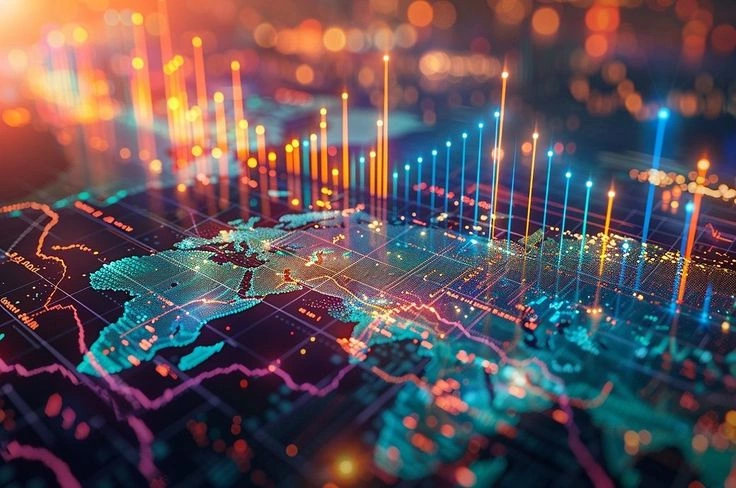
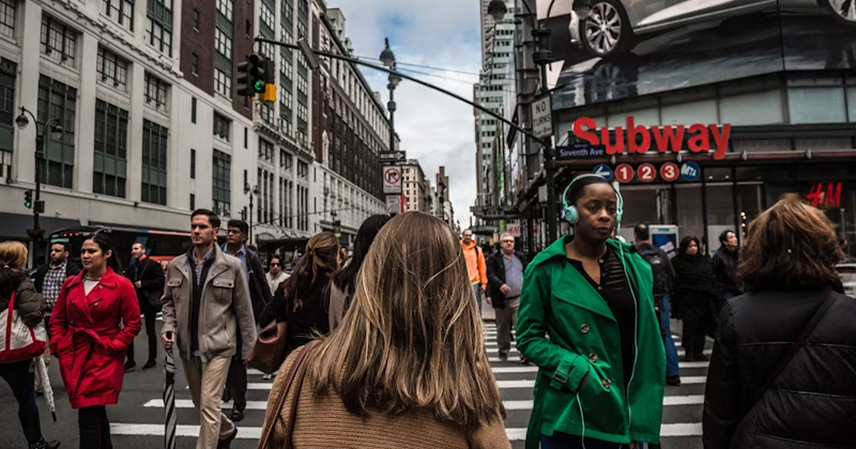
The world economy is currently unstable because interest rates vary all the time, the supply chain has problems, and it’s hard to predict changes in policy. This has made life harder for everyone. Families all throughout the world are changing their budgets and just buying what they need as of February 2026. This move ties in with bigger patterns in the economy and shows how uncertainty impacts consumer confidence. It makes people think about what they need right now and how safe their money will be in the long run. The article talks about how individuals are dealing with changes in shopping, housing, travel, and other areas.
What is making the economy unstable right now?
As we get closer to 2026, the international economy will have to deal with a number of problems. People are worried because trade problems, inflation at 4.5% in big economies, and central bank rates staying at 5% are all going on. Because of conflicts and other geopolitical problems that constrain oil supplies, prices stay high at roughly $85 a barrel.
People notice this since things like food and gas cost more.Food prices have gone up a lot in places like India, which has made people in cities think about what they buy every day. Most people are pessimistic, according to confidence indexes. This makes them spend defensively by buying products that won’t go bad and cutting back on things they don’t need.
Effect on food and other items we need every day
People are more worried about saving money when they go grocery shopping because of the economy. More and more individuals are choosing store brands over high-end brands. By carefully planning, families may make their food last longer, which cuts down on waste a lot.
Every time people travel, they save a lot of money by using apps to find coupons and compare prices. People who don’t have a lot of money may have a tougher time making choices, and they may have to skip meals to save money. There are more stores that sell things at a discount, and when prices go up, digital tools assist buyers make wiser choices.
Housing and big purchases are under a lot of stress.
There are a lot of delays when you have to make big decisions like buying a car or a property. When mortgage rates go beyond 6.5%, it becomes harder for first-time buyers to buy, which slows down sales markets around the world. It’s better to rent because cars last longer when they are repaired instead of being replaced.
Sales of expensive things go down as more individuals buy old electronics and furniture. “Repair over replace” is good for the environment, but it hurts firms that make new goods. Younger purchasers say that worries about their jobs are keeping them from reaching important goals like buying a home.
People don’t spend as much on leisure and travel.
In early 2026, fewer individuals arrange trips for fun since families would rather go on affordable vacations at home than abroad. People stop flying and start taking the train or staying in cheaper motels when gas prices go up or the value of the dollar goes down.
Loyalty programs are quite popular since the advantages make up for higher prices. individuals are going on more vacations within their own countries, but fewer individuals are going on journeys between continents. When things aren’t clear, free time goes from being a typical part of life to a rare luxury.
When people don’t know what’s going to happen with their jobs, they are more vigilant.
When unemployment is going up over the world, people are less likely to spend money. The white-collar and gig economies are under the most stress, which makes products that aren’t necessary even more expensive.
A lot of people save money for emergencies or get extra money by doing crafts or working as a freelancer. Because earnings aren’t keeping up with inflation, some people have to spend their savings. There are various ways to make money because things aren’t always the same.
The Psychological Cost and Behavioral Economics
When you’re not sure about anything, you start to worry you don’t have enough of it. Anxiety affects your capacity to think clearly, not simply your money. Loss aversion increases, causing losses to be more painful than wins to be pleasurable.
Anxiety impacts various groups of people in distinct manners, often rendering families less receptive to novel concepts. People come together in community networks to exchange resources and deal with stress as a group.
What businesses and the government stated
To assist people lose weight, governments grant them money and tax benefits. To keep customers coming back, businesses give cash back and price guarantees.
Central banks said that if inflation goes down, they might change interest rates, which could lead to more demand. To make things easier on people’s wallets, tech companies provide bundled services.
How to Deal with Uncertainty as a Consumer: Things that work help people get acclimated to uncertainty. Budget applications are wonderful at stopping you from giving in to your wants. Investments go to safer returns.
You can make more money by trading with people in your area and taking free classes to learn new skills. These steps change problems into chances to get stronger.
Global Economic Uncertainty Reshapes Consumer Decisions: From Budget Cuts to Delayed Big Buys in 2026