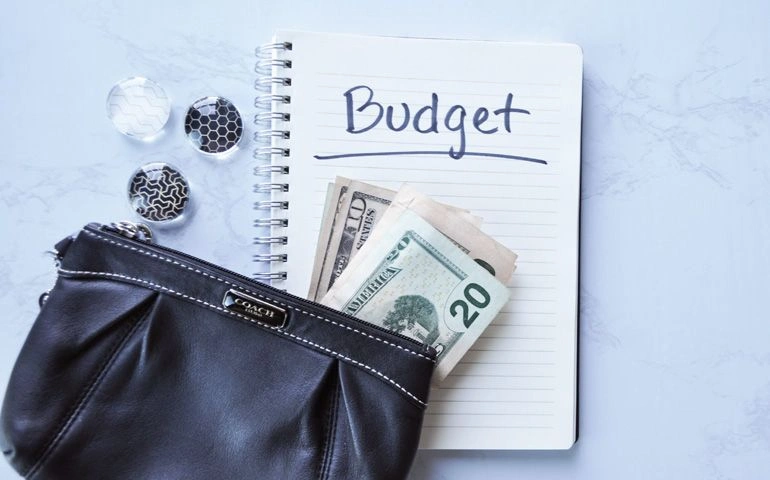
The price of food, housing, and energy is increasing up in 2026, which is hard on middle-class households all around the world. A lot of them have to rethink their financial goals because wages aren’t going up and inflation is still high.
In 2026, the cost of living problem will be an unstoppable force that is transforming the lives of middle-class individuals all across the world. Families with moderate incomes, usually between $50,000 and $150,000 a year, are having a hard time since expenditures are going up faster than their incomes. This is happening in cities in the US and Europe, as well as in countries like India and Brazil that are still developing. You can feel this strain in grocery stores where you have to make harder choices, in aspirations of purchasing a home that are put on wait, and in debt that keeps accumulating for basic requirements. Economists say that a perfect storm of difficulties with the supply chain, wars between countries, and rising commodity prices driven by climate change are to blame. As President Donald Trump’s second term continues on, programs that help make energy in the U.S. are helping a little, but the middle class is still being squeezed, which has led to urgent calls for changes to the tax code.
The issue is getting worse because of global inflation tendencies.
Even if inflation rates are starting to drop from their 2024 highs, they are still higher than what the central bank wants them to be in early 2026. The Consumer Price Index (CPI) in the U.S. is roughly 3.2%. This is because the cost of housing went up by 5.1% and the cost of food went up by 2.8%. The harmonized index for the Eurozone is 2.7% in Europe. The confrontation between Russia and Ukraine is still making energy bills high.
India has a unique dilemma because its middle class is increasing and now has more than 400 million individuals. The Wholesale Price Index went increased 4.5% in January 2026 because to odd monsoons that made vegetables cost 30% more. Food costs are going up by 6 to 8 percent in Latin America, and Brazil and Mexico are seeing the same things.
Things that make prices go up all throughout the world are:
Problems with shipping in the Red Sea are producing problems with the supply chain.
There aren’t enough workers, so people are expecting higher wages, but middle-class salaries aren’t completely reflecting this.
Climate events that make farming more expensive, including droughts in the U.S. Midwest that limit the amount of grain that can be harvested.
These changes have made it harder to buy things. For example, a family of four now spends 25% more on basic needs than they did five years ago.
Housing: The Most Expensive Thing
Housing costs make about 30–40% of a middle-class family’s monthly expenses. The average price of a home in the U.S. was $420,000 in the first quarter of 2026, which is 4% more than it was in 2025.Even though the Federal Reserve has lowered mortgage rates, they are still at 6.5%. Renters don’t do any better; the average rent for an apartment in the city is $2,100 a month, which is 7% higher than last year.
It cost too much for young professionals to live in London because the average rent was £2,200 ($2,800). In Pune, India, the price of a 2BHK flat went up to ₹35,000 ($420), which was a 12% increase that was linked to individuals coming to the IT sector. Harvard’s Joint Center for Housing Studies says that there is a “lost generation” of buyers since it now takes 15 to 20 years of saving to make a down payment.
In the U.S., the affordability ratios have gotten worse and are currently above 6.2 times the average yearly salary in several places. In the UK, they’re almost 8.5, in India they’re 7.8, and in Brazil they’re 9.2—way above the 5.0 level that is safe. Because housing is become more expensive for so many people, families are locked in rental cycles or forced to settle for smaller or less desirable places.
We need food and goods every day. Skyrocket Grocery costs are a big part of the tale concerning how much life will cost in 2026. Families in the U.S. spend $1,200 a month on food, which is 15% more than they did in 2023. Because of the high cost of feed and outbreaks of avian flu, a dozen eggs costs $4.50 and a pound of beef costs $8.
The price of basic cereals in India went up 18% to ₹60 per kilogram, while the price of edible oils went up 22% since there wasn’t enough palm oil. A middle-class family in Mumbai currently spends 20% of their income on food, which is a difference from the past few years when it was less.
Things that cause grocery costs to rise:
The price of fertilizer went risen by 100% after 2024, when there were shortages around the world.
Extreme weather: Australia’s floods cut wheat exports by 10%.
Trump’s “America First” policies made it more expensive to buy things from other countries by 5% to 10%.
Nutritionists believe that when money is tight, people are more likely to buy inexpensive processed foods, which can cause health concerns like obesity.
Energy and Utilities: Hidden Costs
Utility bills are a clear example of how hard it is for people in the middle class to get by. The price of natural gas changes with the demand in the winter. Now, U.S. families pay $450 a month for water, gas, and electricity—12% more than before. Even if German households are converting to renewable energy sources, they still have to pay €3,500 a year because of the energy crisis in Europe.
In emerging countries, subsidies are falling decreasing. India’s electricity prices went raised by 15% in 2026. People in the middle class, especially in places like Pune, were hit the worst. Renewable energy gives us hope for the future, but short-term energy expenses are harsh on fixed budgets, therefore 40% of U.S. families are using less of it.
Transportation and Fuel: Attacks on Mobility
Gasoline costs $3.80 a gallon and diesel costs $4.20 a gallon in the U.S., which makes commuting a lot more expensive. The price of public transit in New York went increased by 4%, and the price of car insurance went up by 20% since repairs are more expensive.
Electric automobiles are supposed to save money, but the hefty initial costs (around $45,000) discourage most middle-class people from buying them. People in India drive two-wheelers because gas costs ₹105 per liter, but keeping them running is challenging. This sector illustrates that the expense of living is rising increased in general. For instance, working from far away is becoming less common, and hybrid models need transportation expenses that can change.
Healthcare costs are becoming more and more of a problem.
Bills for healthcare take money out of savings the fastest. In the U.S., the average cost of insurance is $25,000 per family per year, and you have to pay $1,500 out of your own pocket. Prices for prescription drugs went raised by 8%, even though the way discussions work changed.
Changes in government policy and how people react
Policymakers respond in many different ways. Trump’s 2026 budget says that families that make less than $150,000 should obtain tax credits, especially for child care and energy costs. The U.S. Inflation Reduction Act’s extensions are aimed to keep the cost of prescriptions from going up.
The European Central Bank (ECB) retains rates at 2.75%, whereas the Reserve Bank of India (RBI) lowers them to 6% to help the economy thrive. More people are supporting Brazil’s universal basic income trials. Critics believe they aren’t enough to tackle problems like wage stagnation, where the median income in the U.S. only went up 2.1% to $78,000.
Focus on Pune and Other Places
citizens in the Indian middle class are under the same stress as citizens all around the world. The average pay in IT is ₹12 lakh ($14,400), but half of it goes to EMIs. costs for houses have gone up 15% and costs for vegetables have gone up 25% because inflation is 5.8% in the area.
Why the middle class is having trouble with their budgets in 2026: The Price of Living