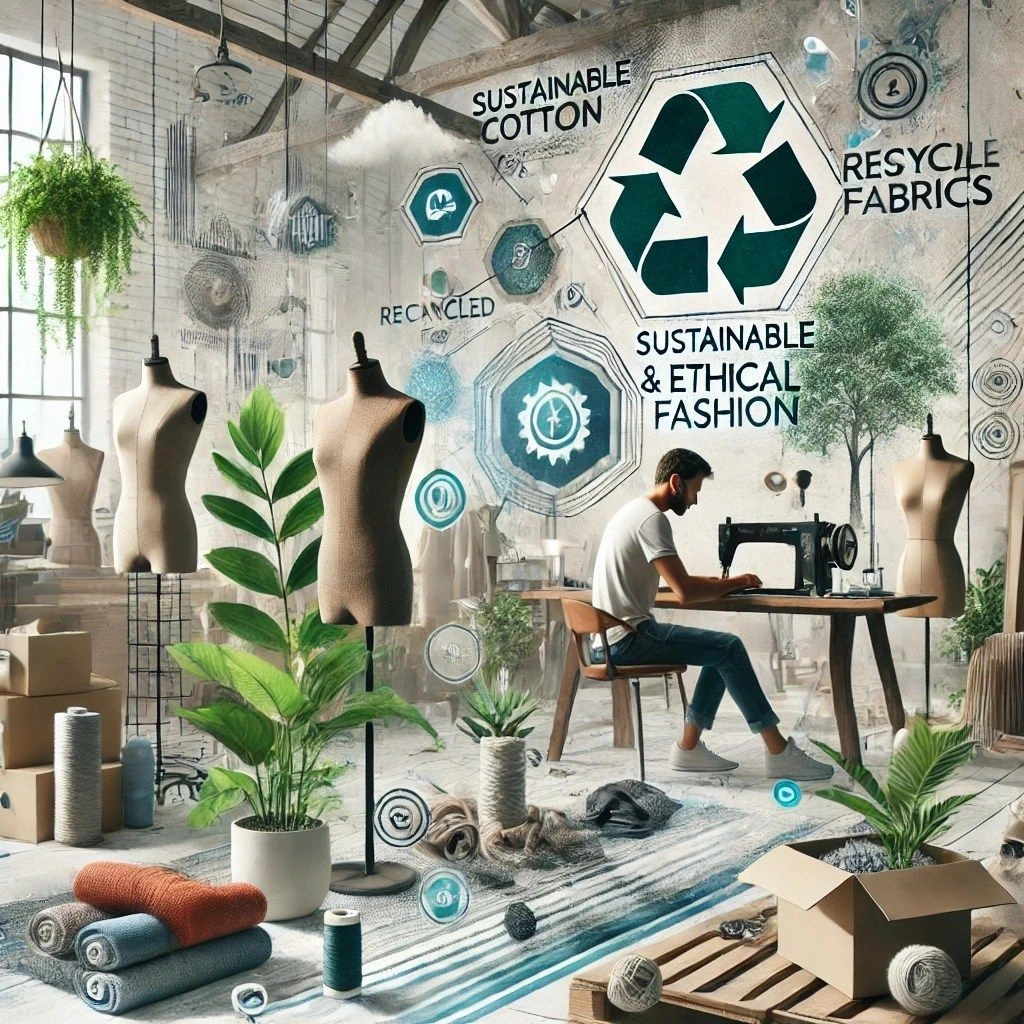
As more people learn about environmental issues and think more carefully about what they buy, sustainable fashion designs are becoming more and more popular in India. People all around India will make their closets more eco-friendly in 2026 by employing both old and modern ways.
The Rise of Circular Fashion
As part of the drive toward eco-friendly fashion, Indians are starting to wear clothes that are round. This style is all about not buying things in a straight line, but instead using them again, selling them, and recycling them. A lot of sites that look like prominent ones like Depop have popped up in places like Mumbai and Bengaluru, where young people buy and sell old ethnic garments and other pricey things. India throws out more than a million tons of old clothes every year. This strategy helps clothes live longer by using rental models and swap activities. This cuts down on trash.
These days, people care more about quality than quantity, so they buy basics that will last, like pure cotton kurtas from new firms. These technologies are good for the environment since they help reduce the damage that fast fashion causes. They also assist you identify high-end style by using apps that check for authenticity and condition.
The return of old cloth
In 2026, hand-weaving and khadi will be popular again in India as part of big trends in eco-friendly design. The government has paid for ads that have helped sell handmade sarees from places like Kanchipuram and Chanderi. There are many different shapes of these sarees, but they are all produced the same way. It is good for the ecology in India to dye these clothes with madder root or indigo. They also help people in the US produce goods.
Designers are the ones who are most ahead of the curve when it comes to fusion lines that combine block designs and ajrakh techniques into everyday clothes. This reincarnation follows the guideline of not wasting anything, which helps to keep cultural past alive. Gen Z’s mentality of “luxury that is good for the world” fits with the idea of making patchwork goods out of extra materials from production.
Fabrics Made in a Lab and Fabrics Made from Plants
More and more people are buying garments that are better for the environment. More and more people in India are using lab-grown materials like mycelium leather and pineapple leaf fiber. Companies in Pune and Delhi make vegan leather that doesn’t need as much water to make as real leather does. Fashion weeks in 2026 employed these fabrics to make runway smashes, and sponsorships made them even more popular.
How to use upcycling in your daily life
Upcycling is a fun way to manufacture clothes that are good for the environment, and a lot of Indians are excited about it. People in cities like Hyderabad and Chennai can go to do-it-yourself courses to learn how to make tote bags out of old jeans or skirts out of old sarees.
Policy Push and Problems
Even when people are happy, there are still problems. When prices are high, people can’t buy things, and greenwashing makes things hard to understand. The government gives eco-friendly businesses money back for utilizing organic materials and tells them to develop new businesses to fill up the gaps. A lot of companies have signed contracts that say they will meet their goals for recycled content by 2030.
Apps that teach people about brands give them the power to select and make them responsible for what they choose.
More and more people are buying used stuff.
As eco-friendly fashion trends grow, resale shops are getting more and more popular. Some areas are growing quite quickly. During wedding season, vintage lehengas and upcycled sneakers are quite fashionable since they go along with the idea that luxury isn’t as vital as things. This cheap economy brings back online bazaars by creating jobs in shipping and checking.
Indians are embracing a new trend in eco-friendly clothing that employs colors from marigold and pomegranate instead of chemicals that are bad for the environment. Designers learn how to make colors that are safe for skin and brilliant at workshops. Big mills utilize a way to color things that doesn’t use water, which saves a lot of it.
Design Patterns for Zero Waste
Cutting cloth without wasting it is the best way for designers to use it. Labels use digital patterning to manufacture kurtas without any scraps, which affects lines that are ready to wear.
Businesses are changing how they make their products more eco-friendly.
Some well-known fashion labels have vowed to stop making carbon, and fashion companies use ESG indicators. Employees do checks to make sure that everything can be linked back to the farm.
Fashion in India
India’s eco-friendly fashion trends are like those in other countries, but they are also different because of new methods to wear khadi. They are ahead of a lot of other markets. People from all across the world are learning about Indian mycelium by working together.
The Green Wardrobe Revolution in India: Fashion that is beneficial for the environment and will be trendy in India in 2026.