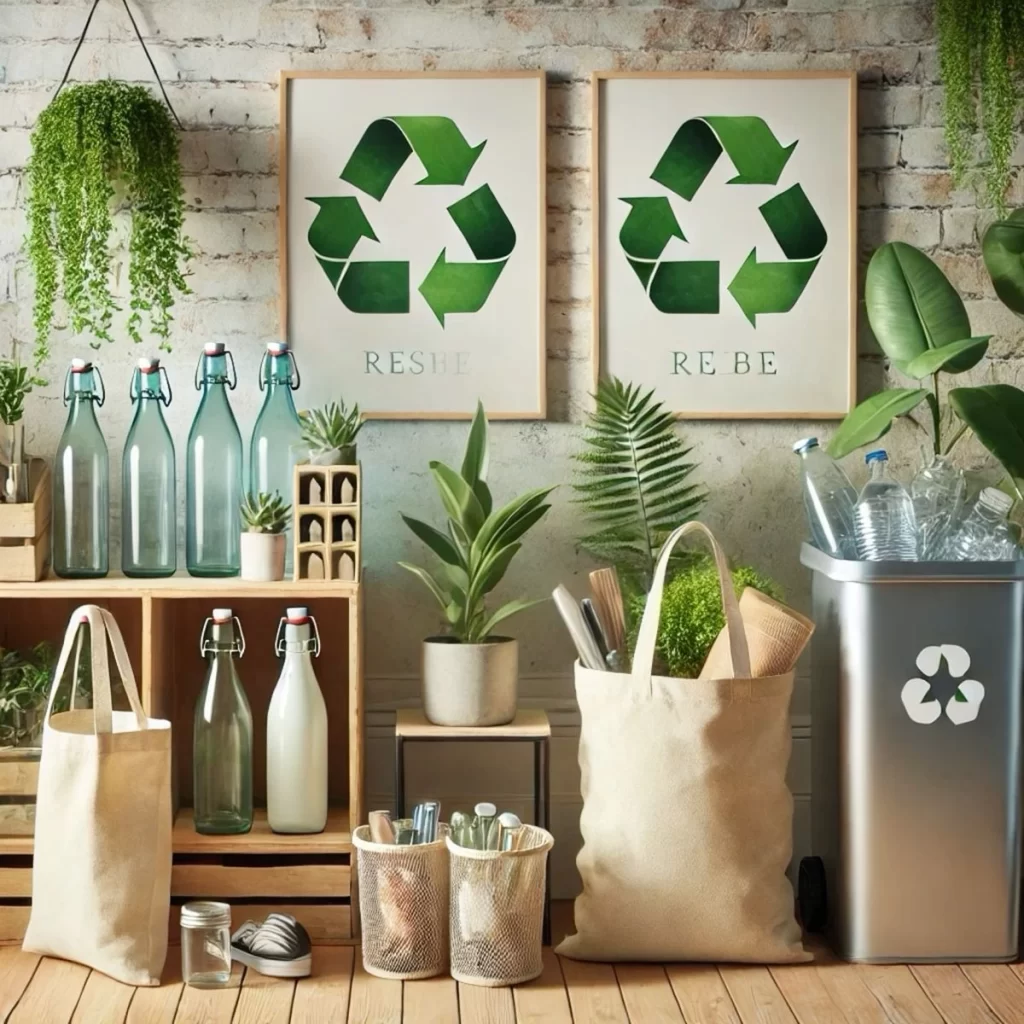
More and more people are buying products that are good for the environment and can be used again because they want things to be easy to use. This change is part of a larger trend in society toward shopping with greater thought. People are becoming more conscious of climate change, and businesses are taking more responsibility for it.
How Mindful Shopping Is Getting Bigger
People are buying things in new ways all across the world. They are choosing things that last longer and are better for the environment. Sales of reusable water bottles, cloth shopping bags, and bamboo toothbrushes have skyrocketed in the last few years. This means that the “throwaway” way of thinking that was common in the 20th century is fading away. There is more and more data that plastic trash hurts wildlife and oceans, which is what is driving this effort. People desire answers that fit with what they believe.
The appeal comes from the real benefits these goods give. Reusables help keep ecosystems cleaner by reducing the amount of trash that ends up in landfills and rivers. This is not like plastic that can only be used once. Big polls show that more than 70% of people around the world now pick eco-friendly solutions when they are available. This number has doubled in the last ten years. People believe in these things since they last a long time. For example, stainless steel tumblers last thousands of uses longer than disposable cups. Over time, this saves money and resources.
The primary reasons people alter their minds
There are several reasons why people are starting to trust products that can be reused and are beneficial for the environment. Being more aware of what’s going on around you is a significant part of it. People have learned about the long-term effects of disposability through significant events like international climate summits and viral movies about rubbish in the oceans. More and more people consider reusable products as a way to feel more in charge of their lives and as small but important steps to help the environment.
This trust is even stronger because of economic incentives. Most of the time, things that can be used again are cheaper in the long term. You can save money in only a few months by using one good reusable coffee cup instead of hundreds of trash ones. A good one costs about $20. When brands are honest about where they get their products, such those that use recycled ocean plastics or organic materials, they earn customers’ trust by being moral. Customers like this honesty and will come back and tell others about it.
You can’t disregard what people do in society. Peer pressure and social media make the trend even stronger. Influencers show off their lives without wasting anything, which makes reusables look normal. Because of issues like #PlasticFreeJuly, millions of people choose beeswax wraps over cling film or metal straws over plastic ones. This shared momentum makes a feedback loop where more people use the goods, which makes them believe in their style and how well they work.
Effects on the environment and scientific backing
People trust products that are beneficial for the environment since they last a long time and can be used again. Research on the life cycle of items shows that using things that may be used more than once will greatly lower carbon emissions. For instance, reusable shopping bags only need to be used 10 to 20 times to make up for the damage they do to the environment. Plastic bags that can only be used once, on the other hand, stay in the environment for hundreds of years. These things also help save resources. generating a reusable aluminum bottle, for instance, takes less energy during its lifetime than generating a lot of plastic bottles.
Statistics show how big the change is. Over half of the more than 400 million tons of plastic made throughout the world every year is only used once. Reusables affect how trash moves, which is a good thing. In places where plastic bag bans are in place, cotton tote bags have helped cut down on the use of plastic bags by billions. This is why biodiversity is healthy. Marine life is starting to do better in monitored coastal areas where trash isn’t as big of a problem.
Experts from environmental groups unanimously agree that these are great things. Researchers suggest that utilizing reused packaging in particular supply chains can lower greenhouse gas emissions by as much as 80%. People can trust brands that care about the environment because they know their choices make a difference.
Consumers Accepting the Change
Some groups of people use eco-friendly and reusable products in the same way, but not all of them do. Over 80% of people in the millennial and Gen Z age groups stated they would pay more for things that are good for the environment. People who live in cities and deal with pollution want to utilize small, reusable items like collapsible cups on their commute to work. Families buy a lot of glass baby bottles that don’t have BPA in them because they want their kids to be healthy.
Things are changing even in normal markets. People who used to use disposable items because they were easy to get rid of now trust reusable items more since they have seen how well they work. In places like Europe and North America, plastic levies and other governmental nudges make this go up. Emerging markets in Asia and Latin America are growing quickly around the world, thanks to affordable local goods like jute bags.
People trust you because you appeal to a wide range of people. When people of all ages and backgrounds, from college students to elders, agree on the same things, it means that they are good for everyone.
Adoption: Issues and Remedies
goods are getting better, but there are still problems with goods that are reusable and good for the environment. Some people don’t like the high upfront costs, however the savings throughout the life of the product make up for this. It’s hard to buy products in remote locations, but e-commerce makes up for it by shipping things swiftly. People used to be afraid to adopt because of hygiene issues, especially after the outbreak. But new products like dishwasher-safe reusables and UV sanitizers have put those anxieties to rest.
Businesses fix problems before they happen. Programs that let you return things that are worn out recycle them, and refill stations for personal care items make bottles that may be used again last longer. Education campaigns make care instructions easier to grasp, which makes them last longer. These exercises help people trust each other by helping them deal with problems that come up in real life.
Brand loyalty and being responsible in business
Customers stick with firms that use products that are good for the environment and can be used again. More and more people prefer to buy garments produced from recycled polyester or kitchenware manufactured from glass that has been used before. Patagonia and other early adopters are examples of success, with reusable gear making prices go up and creating cult followings.
A lot of people trust these businesses. User reviews say that companies that care about the environment keep customers for 20 to 30 percent longer. This loyalty loop keeps the growth cycle going by coming up with more innovative ideas.
Important Numbers on the Effect of Brands:
People buy from new eco-friendly brands 65% of the time.
People who utilize things that can be used again say they are 40% happier.
Companies that are honest and fair get twice as much market share.
More and more people are buying things that can be used again and are beneficial for the environment.