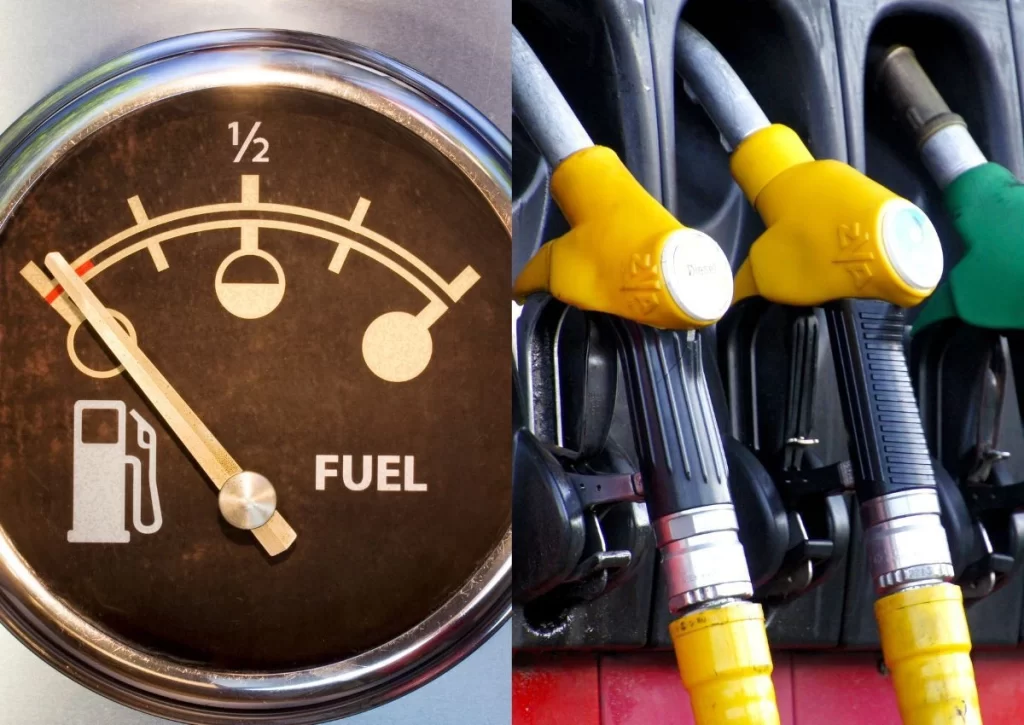
Gas costs are rising higher, which is putting greater stress on household budgets than ever before. Families are having to rethink how they spend money every day. This rise puts the economy in danger and makes inflation worse, which harms individuals with lower incomes the most.
Fuel prices have gone up recently.
In early 2026, fuel prices went up a lot because of political tensions, problems with the supply system, and changes in the global oil market. In India, notably in Pune, Maharashtra, the price of fuel has gone up 15% since last year and is now over ₹110 a liter in major towns. Diesel costs about ₹95. Brent and other benchmarks for crude oil have risen to $85 a barrel throughout the world. This is because there are always problems in the Middle East and OPEC+ countries are cutting back on production.
There are a lot of causes for this hike, like new restrictions on crucial suppliers that have made it tougher to get supplies and bad weather that has made refining harder. The price of gas in the US is now $3.80 a gallon, which is 12% higher than it was in January. This makes it extremely tougher to get back on track after the pandemic. These data show how rising fuel prices hurt economies by making transportation and goods more expensive.
Why the Price Went Up
There are a lot of elements that are related that make the price of gas go up and down. For example, wars in Ukraine and the Middle East make oil flows less predictable. Recent drone strikes and sanctions have stopped exports of 5 million barrels a day. There is still an imbalance between supply and demand because demand in Asia is growing faster than supply following winter, and China’s economic stimulus has led to an 8% spike in consumption.
Changes in currency make the situation worse. The Indian rupee is losing value, which makes imports more expensive and adds ₹5–7 to the price of a liter of gas. In states like Maharashtra, adding excise taxes and VAT adds 40% to the cost of goods sold, making it tougher for the government to insulate itself from price hikes throughout the world. Also, policies that mandate cleaner fuels for the environment make it more expensive to make things, and those costs are passed on to customers. Experts estimate that by the middle of the year, prices could go up by another 10%.
A Direct Hit on Family Budgets
The most obvious effect of increasing fuel prices is on family budgets, which now have to spend more on transportation. Fuel costs have gone up from 8% to 12% of the income of an average Indian family that makes ₹50,000 a month. This means they can’t buy as much food and go to school as they could before. The cost of gas for a daily 50 km drive from Pune has gone up from ₹4,000 to ₹5,500 per month for a lot of individuals. That’s like getting a 10% income cut.
The groups that are most at risk are the ones that suffer the most.
Families in the lower-middle class and in rural areas are the ones who are most hurt by increased gas prices. Transportation costs are now higher than 15% of the budgets of 40% of families in Maharashtra. This is putting millions of people in debt or making it impossible for them to make ends meet. More than 2 million migrant workers in Pune claim they skip meals or eat less to pay for their trips.
Women, who usually perform housework and send their kids to school, have much more issues. Studies suggest that they are 25% more likely to be “time-poor” since they are looking for cheaper options. Elderly folks and single-parent homes with fixed incomes spend 18% more on petrol, which quickly eats up their savings.
What the government did and didn’t do
Finding the correct balance between aiding people in need and keeping the economy thriving is hard for policymakers. The Indian central government has paid ₹30,000 crore in subsidies for LPG and fertilizers, but it doesn’t want to lower fuel costs directly since it thinks it will lose ₹2 lakh crore in revenue every year. Some states, like Maharashtra, grant rebates from time to time, but VAT reduction are still very little and not adequate.
The US government under President Trump is considering about releasing oil from strategic reserves. This might lower costs by $0.20 per gallon for a short time. The EU wants biofuel mandates to help lower prices by 5% by 2027. But critics believe these actions aren’t enough and want targeted cash transfers to at-risk groups that might lower the budget by up to 30% without hurting markets.
What Experts Think About Long-Term Trends
Economists think that things will get worse in the future. “Fuel volatility makes inequality worse; without diversification, households are still very vulnerable,” Dr. Raghuram Rajan warned. Forecasts suggest that oil prices could stay around $90 a barrel until 2026, which would keep costs high. The IMF forecasts that inflation will be 4.2% over the world, and gas prices will be a large part of that.
The move to electric automobiles (EVs) is a fantastic step forward, but it is taking a long time for people to get used to it. Only 2% of Indian cars are electric, and that’s because the initial costs are high and the charging infrastructure isn’t robust enough. FAME-III and other incentives could speed up this transformation, which could save families ₹1.5 lakh on gas over five years.
How families can handle stress
Families are changing how they live to make it easier to deal with the higher costs of gas. Carpooling and combining trips can cut down on gas use by 30% a week. There are 20% more people in Pune that use apps like BlaBlaCar. Switching to public transportation, which is easier now that the subway has been extended, saves 40% of costs. Monthly passes for driving now cost ₹1,200 instead of ₹2,500.
Walnut and other apps that help you keep track of your budget enable you move 10% of your savings to other areas by properly classifying rises in fuel costs. You can also contribute right away by doing simple things that save energy, like keeping your tires at the appropriate pressure to get 5% better mileage or not idling to save ₹500 a month. Buying groceries in bulk and making meals ahead of time are two more ways to save money on food. These can save you an extra 8% of your monthly expenses.
The rising cost of fuel is making it hard for families to make ends meet. In 2026, this is becoming a bigger problem.