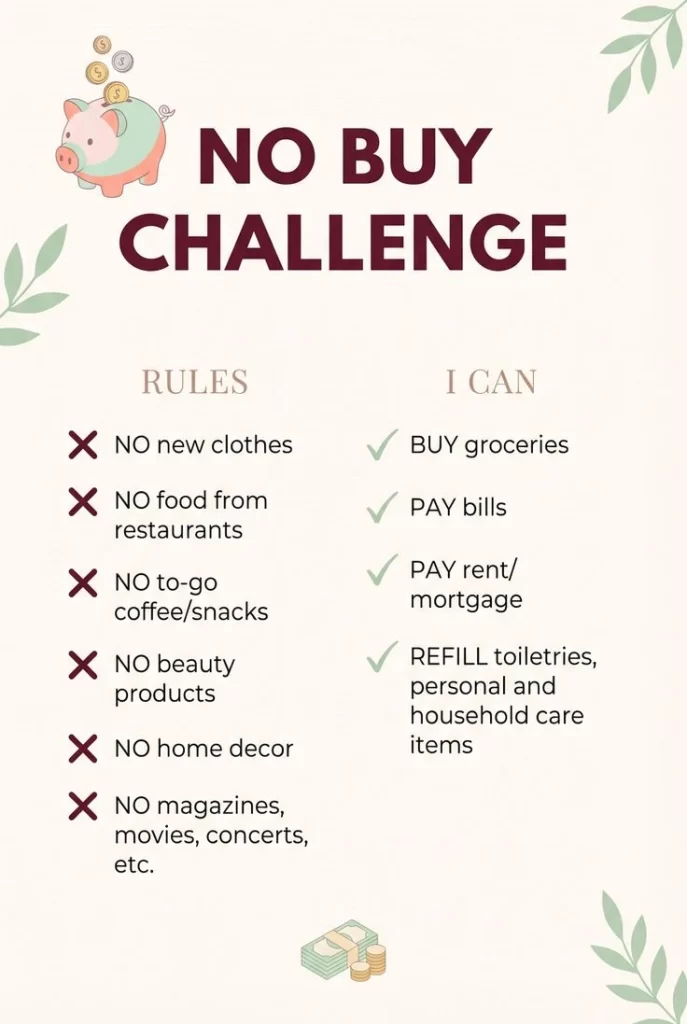
The “No-Buy 2026” challenge is all over TikTok and Instagram. Millions of Gen Z users have said they won’t buy anything they don’t need for the whole year. This viral trend on social media is cheap and against consumerism, which is significantly different from young adults who buy things on a whim because of influencers. They are experiencing trouble with too much information online, inflation, and debt.
The “No Buy” Trend Is Getting Stronger
People who were born between 1997 and 2012 and are now in their teens and early twenties have long been recognized for being trend-following shoppers. The No-Buy 2026 challenge, on the other hand, alters everything. It launched on TikTok in late 2025 and tells people to just buy what they need, such food, bills, and medicine. You can’t bring in clothes, food, makeup, or devices. Billions of people had seen videos with the hashtag #NoBuy2026 by February 2026. People who made “Day 1” videos of them going through their old clothes or cheap meals turned a dreary chore into fun entertainment.
Because of the status of the economy, what started as small posts on Reddit in r/nobuy has turned into a cultural movement. Almost half of Gen Z thinks they don’t have enough money, therefore a lot of them see the challenge as a method to resist rising costs. People claim they save between $500 and $2,000 a month on average. This helps them pay off a lot of credit card debt, which is something that happens a lot with young families.
From buying things on a whim to planned underconsumption
In the past, social media influenced Gen Z’s buying patterns through viral hauls and “TikTok Made Me Buy It” videos, in which most respondents indicated they changed their behaviors because of trends. More than half of young adults buy things directly through apps like TikTok and Instagram, which are better than search engines for locating things to buy. More than half of these purchases were made because influencers recommended them, which is more than older groups.
But there was a pushback against “deinfluencing” since producers were tired of sponsored content and told people not to hype it up. This became “underconsumption core,” which showed off half-empty shampoo bottles or clothes that had been used for years as indications of being smart. No-Buy 2026 takes this to the next level by banning some kinds of apparel or putting stringent limits on how much you can spend on things that aren’t necessary.
The tilt is shown by key metrics. Before the trend started, 68% of Gen Z found products on social media, and 60% bought stuff on impulse after seeing viral videos. Deinfluencing has now cut down on purchases based on trends by roughly 43%. People who took part in No-Buy had a success rate of 30% to 40% over the course of a year, and they saved hundreds of dollars a month by not buying things they didn’t need.
Psychological and social factors
The method works well when it breaks up dopamine-driven buying loops and calls urges “manufactured craving.” They make it fun and popular by adding carousels or dances to it. It fills your mind with creativity and takes back mental space from scrolling all the time.
Because most Gen Z people use Instagram and TikTok every day, where videos from peers make restraint look normal, social proof makes it more appealing. But there are still problems. Many people quit by day 90 because they are frightened of missing out on sales or feel pressure from their friends. Women are the most likely to join in, and they often go after beauty hauls when they start to experience “shopping ick.”
Experts see a performative side: thrifty meal movies attract millions of views, merging dreams with reality to present a new way to be careful of what you spend. It’s a protest against algorithms that take advantage of feelings of being incomplete for Gen Z, who have a lot of debt early on.
The economics is what is making things shift.
Rising pricing, a lack of housing, and competition in the job market have hit Gen Z the hardest. They will have to start spending less as soon as 2025. TikTok trends used to tell people what to wear in countries like Asia-Pacific, but now deinfluencing is all about ethics and long-term impacts. More than half of respondents say they regret how they spent their money last year, and virtually all of them aim to make substantial changes in 2026.
This is how brands are evolving. Social commerce used to work well; 60% of Gen Z bought something after seeing it on an app. But now, making friends, being open, and putting on things in augmented reality are more crucial. TikTok Shops, which mix popularity with value, have produced millions of dollars for luxury resale sites. More and more consumers are selecting “trend loyalty” over long-term brand loyalty. They choose short-lived viral products over long-term brand loyalty.
Issues and Critiques of the Movement
The movement is having problems since most people can’t stop themselves from spending money when they’re feeling awful, and things like weddings or repairs that come up out of the blue typically slow things down. Some people argue it’s privileged because they think staged simplicity misses basic inequities. High dropout rates indicate how strong addictions to drugs and alcohol can be, even for people who are committed.
If brands foster hype, they could get in trouble. But “use it up” partnerships that align with the brand’s values can be excellent for business. Gen Z’s research habits, which put honesty and evaluations first, make the need for rebuilt trust even stronger.
What will happen in the future? Will more people start buying things that are good for the environment?
The No-Buy 2026 challenge shows that culture is changing from following trends to being more aware. As the year goes on, you should expect things like community accountability groups or category-specific Nobuys to keep things moving. Instead of one-time sales channels, brands that do successfully will rely on ecosystems of value.
The effects go much further: reduced waste, better personal finances, and a broader fight against the excesses of commercial society. Even if virality fades, genuine success will stem from ensuring these behaviors endure beyond the influence of algorithms. Gen Z doesn’t simply want things; they want freedom, and they see being rich as being able to pick what to buy.
The “No-Buy 2026” challenge, which went viral, is making Gen Z spend less money because the economy is bad.