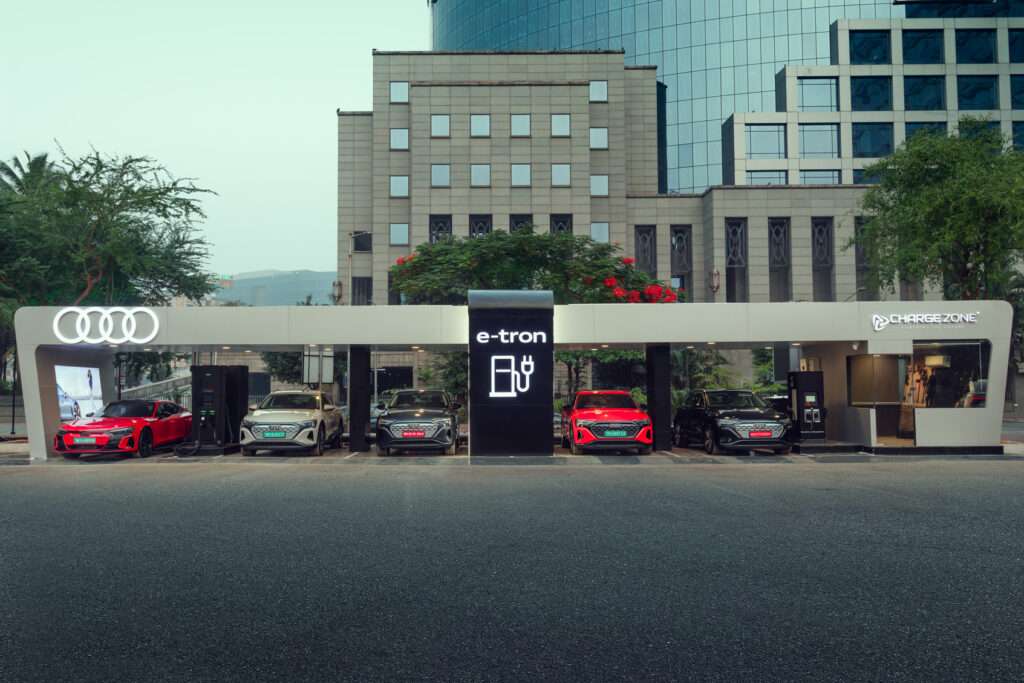
More individuals are choosing electric automobiles since they don’t know how much gas will cost. This transformation is happening all throughout the world, and it will happen faster in 2026.
Sales of electric vehicles (EVs) are going through the roof all over the world as consumers and governments look for greener solutions because of rising fuel prices and worries about the environment. This change, which started to happen more quickly in early 2026, is a turning point in transportation.
Why the EV boom happened
The main reason more people are using electric cars is that fuel prices are still up in the air. Oil markets all over the world have been shaky. For instance, Brent oil has been trading between $75 and $95 per barrel for the past few months because of worries about the Middle East and harsh weather that has caused problems with the supply system. Gas prices went climbed 15–20% in significant places including Europe and India in late 2025. Because of this, more and more individuals think that electric vehicles (EVs) are a good method to avoid these expenditures. In February 2026, for instance, the average price of gas in the US was about $3.80 a gallon. According to industry trackers, this caused a 28% increase in EV registrations compared to the same month the year before.
More and more models are becoming affordable. The Tesla Model 3 update and the BYD Seagull, which costs less than $20,000 to ship, have made it easier to buy these cars. The Tata Motors Nexon EV and the MG ZS EV are the two electric cars that people in India buy the most. Prices start at ₹12 lakh. Because they are created in India, the cost of importing them is lower. In the real world, these cars can now drive 300 to 400 km, which is enough for daily commutes in cities like Pune, where traffic makes fuel consumption less efficient.
Updates sent over the air add self-driving features that make the car safer and more desirable. Level 3 autonomy in some models makes it less likely that people will make mistakes, which is what causes 94% of road accidents. AI-optimized energy management also makes batteries last 15% longer.
How the economy changes and how businesses react
More people are using electric cars because gas prices are going up. This is affecting the way economies work. Countries that rely on oil, such as Saudi Arabia, are expanding their supply chains to include electric vehicles. Aramco, for instance, invested $1.5 billion in Lucid Motors. Car companies, on the other hand, are altering their attitudes. Ford and GM have set aside 40% of their production for EVs in 2026, while legacy businesses like Volkswagen declare that EVs are earning more money than combustion models for the first time.
A lot of jobs are being created in green industries. There will be 10 million new jobs creating electric cars and building the infrastructure for them by 2030. India’s ₹26,000 crore PLI project aims to create 5 million of these jobs. But there are still problems: the costs have gone up by 20% since there aren’t enough raw materials for lithium and cobalt. This has led to recycling schemes that get back 95% of battery materials.
Electric vehicles (EVs) cost 60% less to run than gasoline cars, and maintenance is 30% cheaper since they have fewer moving parts. This means that consumers save money on the total cost of ownership. This indicates that a typical driver in India who drives 15,000 miles a year can save ₹1.5 lakh a year.
Things that are making the surge slower
There are still challenges, even when things are moving. Delays in deliveries are due to problems in the supply chain that have been made worse by trade tensions between the U.S. and China. Some popular models have to wait as long as six months. Grid strain is a challenge in countries that are developing, like India. If smart grids became common, demand during peak hours could go up by 10–15%, which would mean changes would have to be made.
People that are careful with their money don’t want to pay fees up front, even if they are lower. There aren’t many charging stations in remote locations, which makes them less enticing. But companies like BluSmart in Pune are building 5,000 stores through ride-hailing fleets. There are still things that consumers don’t know. Myths regarding battery degradation (which is now warranted for 8–10 years) hinder down adoption.
2026 EV Boom: Crushing Fuel Volatility with Electric Power