The Bold 2026 Lineup from Infinix
Young people on a budget and people who are buying their first smartphone still select Infinix since it offers high-end hardware at low prices. People in tier-2 and tier-3 cities in India who use social media prefer the brand’s newest products because they feature smooth screens, big batteries, and cool designs.
Some of the nicest things in Infinix’s 2026 lineup are handsets with 120Hz screens, 6000mAh batteries, and 45W fast charging. Most of the time, you can only get these things with more expensive phones. Their cameras are great for Instagram loops and casual photos because they focus on selfies and bright photographs that look nice on social media. Infinix’s XOS software, which is based on Android 15, lets you change things like themes and game modes. But it doesn’t get as many long-term updates for its software as other products do.
If you want to buy something for less than ₹15,000, Infinix is a great offer. The phones are light, have two great-sounding speakers, and you can add up to 1TB of storage space with a microSD card. These phones are great for things like streaming, reading the web, and playing simple games every day. This makes Infinix a game-changer in India’s very competitive budget market.
Xiaomi’s Power Play with a Lot of Brands
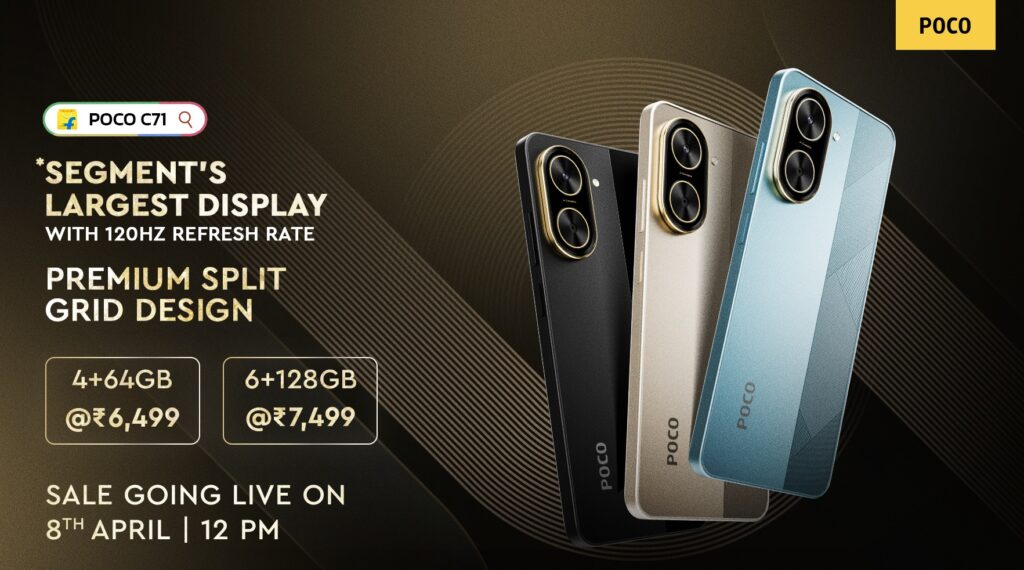
Xiaomi is different because it takes an ecosystem strategy. The company’s sub-brands, such Redmi, POCO, and high-end Mi phones, cost between ₹8,000 and ₹30,000. The company will work on HyperOS 2.0, AI-powered cameras, and making sure that smartphones, wearables, earbuds, and tablets all work nicely together in 2026.
The A-series and Note lines from Redmi are cheap and boast decent 50MP cameras, 5G connectivity, and IP53 splash protection. The Snapdragon 7-series chipsets, vapor chamber cooling, and 120W HyperCharge that charges 5000mAh batteries in less than 20 minutes are all made for gamers.The Mi 14T and other mid-range models, on the other hand, come with Leica-designed lenses, 144Hz AMOLED displays, and three years of OS updates.
What Indian Shoppers Need
When you have to choose between Infinix and Xiaomi phones in 2026, make sure to pick characteristics that fit your life first:
Battery Life: Both companies do well in this area, however Xiaomi’s 120W charging is better for people who need quick top-ups on busy days than Infinix’s 45W charging. Find batteries that can hold 5000mAh or more and with AI power control.
Camera Performance: Xiaomi’s computational photography takes better pictures and videos in low light and at 4K quality. The 32MP front cameras and entertaining effects on Infinix phones make selfies seem great during the day.
Performance: POCO’s gaming-focused chipsets can run BGMI at high settings, and Infinix is good enough for casual PUBG Mobile play.
Xiaomi says it will send Android updates for at least three years, and Infinix says it will send security updates for two years.
5G Future-Proofing: All of the main launches in 2026 will work with India’s new 5G bands. This is very important for Jio and Airtel users.
When you think about how you’ll use them, remember that Xiaomi’s cameras are better for capturing photographs and Infinix’s cameras are better for having fun on a budget.
Different pricing ranges and value choices
If you want to spend less than ₹10,000, the Infinix Smart 10 and Redmi A5 are the best choices. Their screens are HD+ and 90Hz, their batteries are 5000mAh, and their cameras are 13MP. Good for students, making calls, and using social media.
The Redmi Note 13 and Infinix Hot 50 cost between ₹10,000 and ₹15,000. They have FHD+ screens that refresh at 120Hz, 50MP sensors, and charge at 33W. These mid-range stars are the greatest choice for most Indian families.
₹15,000–₹25,000: Both the POCO X7 and the Infinix Note 40 Pro boast high-end features including Gorilla Glass, two speakers, and 108MP cameras. This is the place for those who make movies and play video games.
The Mi 14T series has telescopic lenses and can charge wirelessly for more than ₹25,000. It’s for people who want the best features but don’t want to pay more than ₹50,000.
On days like Republic Day, look for sales. Prices may drop by 10% to 15% during flash deals.
Things to think about before you buy electronics
Smartphones need help to work. In 2026, Infinix and Xiaomi’s ecosystems get bigger with important accessories:
The Infinix Buds Neo (₹1,499) and the Xiaomi Buds 5 Pro (₹3,999) are both wireless earbuds with ANC, a battery life of 40 hours, and a gaming mode that cuts down on lag.
The Infinix Watch Pro 3 (1.96″ AMOLED, SpO2 tracking) competes with the Xiaomi Watch 2 (Bluetooth calling, 100+ sports modes).
Power Banks: Both firms sell 10,000mAh devices that charge quickly at 33W and keep you connected all day.
Tablets: The Redmi Pad SE (11″ 90Hz) and the Infinix Pad Mini are both perfect for students who need to study or learn while they’re on the go.
All of these things work perfectly when you put them together. Xiaomi’s HyperOS Connect makes it easy to share files and sync calls.
What Makes 2026 Launches Unique
This year, the Infinix and Xiaomi phones that came out had small but important upgrades. For example, mid-range versions now have fingerprint sensors under the screen, AI that learns how you use your phone and makes the battery last longer, and better haptics that make the touch feel more real. It’s excellent that both businesses now support regular SIMs and eSIMs. This is good for India’s push to go digital. Panda glass and metal frames are two methods to make things last longer. They aid consumers with issues that come up with cheap phones that break easily.
Right now, sustainability is a big deal in the market. For instance, buildings made of recycled plastic and chipsets that use less energy are in line with the reality that more and more young people in cities are becoming aware of environmental issues. People who don’t work for the firm have tested these phones and found that they last 1.5 to 2 days with normal use, which is a lot longer than prior models.
How to Buy Things Wisely in India’s Tough Market
Think about it carefully before you buy it:
Read Reviews: You can only observe testing in real time on Indian networks on the YouTube channels Technical Guruji and Beebom.
When it comes to warranty clarity, Xiaomi’s basic one-year guarantee with more alternatives is better than Infinix’s basic coverage.
Bajaj Finserv lets you pay for a phone that costs ₹20,000 in ₹1,500 monthly payments with no interest.
Trade-Ins: Flipkart’s exchange services will offer you back 20% to 40% of what your old equipment is worth.
A Complete Guide for People Who Want to Buy the Latest Smartphones and Tech Gadgets: Infinix and Xiaomi Are Coming to India