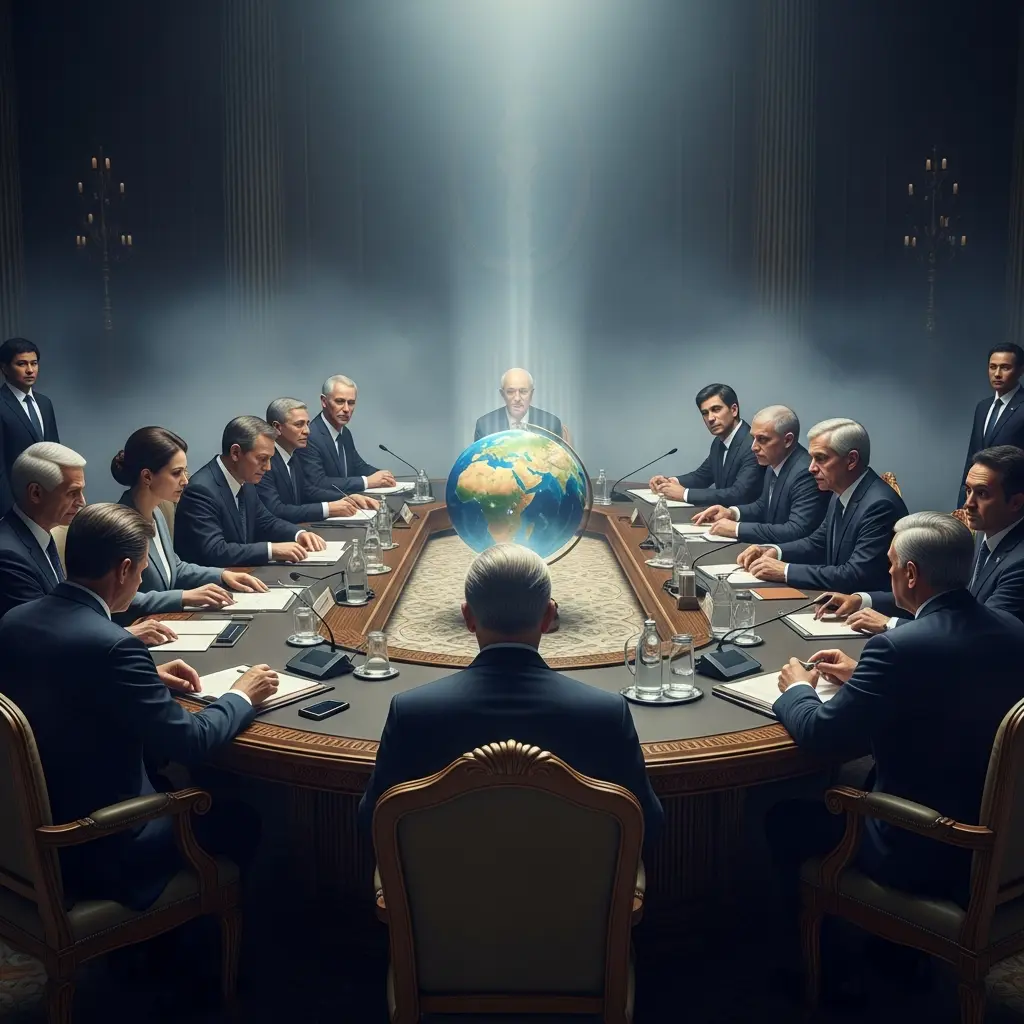
Diplomacy rarely makes for dramatic headlines. It happens in quiet rooms, through carefully worded statements, over phone calls that last for hours and produce nothing the public ever sees. But there are moments when that quiet, unglamorous work becomes the most important thing happening on the planet. This is one of those moments.
As the Middle East crisis continues to intensify — with airstrikes, retaliatory attacks, and a partially disrupted Strait of Hormuz reshaping both human lives and global markets — the international community has moved into something resembling emergency mode. World leaders are calling. Envoys are flying. The United Nations is convening. And underneath all of it runs a shared, urgent understanding: without swift diplomacy, the path forward gets significantly darker.
The UN Steps Forward
The United Nations has rarely been without critics. It moves slowly, its resolutions are often non-binding, and its ability to compel action from determined nation-states is limited. But in moments of acute global crisis, it remains one of the few institutions with the legitimacy and reach to bring hostile parties — and the nations with influence over them — into the same conversation.
UN Secretary-General Antonio Guterres has issued urgent calls for immediate ceasefire negotiations, describing the current trajectory of the Middle East conflict as deeply alarming. Emergency sessions of the Security Council have followed. The language being used in these chambers has shifted from cautionary to genuinely alarmed — a signal that diplomats who typically traffic in understatement believe the situation is more precarious than public statements fully convey.
The UN’s immediate push has centered on two things: halting active hostilities long enough to open genuine negotiations, and establishing humanitarian corridors that would allow aid to reach the millions of civilians now displaced or trapped in conflict zones. Both goals face enormous political obstacles. But both are, at minimum, on the table — and that matters.
Europe’s Urgent Voice
European governments have emerged as some of the most vocal proponents of de-escalation diplomacy. France, Germany, and the United Kingdom — the so-called E3 — have a long history of engagement with Iran over its nuclear program, and they have moved quickly to activate those relationships now. Foreign ministers have made calls. Senior officials have traveled. The message from European capitals has been consistent: the time for statements is over; what’s needed is a negotiated halt.
The European position is driven not only by principle but by proximity and economic reality. These aren’t nations lobbying for peace from a comfortable distance. They are parties with significant stakes in the outcome, and their involvement in Middle East negotiations reflects that urgency directly.
Western Nations and Regional Partners: Finding Common Ground
One of the more complicated dimensions of the current diplomatic picture is the role of regional partners. Gulf states — Saudi Arabia, the UAE, Qatar — find themselves in an extraordinarily difficult position. They share waterways and airspace with the conflict. Their economies depend on the same shipping corridors being threatened. And they have their own complex relationships with both Iran and the Western nations now seeking their cooperation.
Qatar, which has long served as a diplomatic back-channel for some of the region’s most intractable disputes, has reportedly been active behind the scenes. Saudi Arabia, despite its own fraught history with Iran, has an obvious interest in preventing a wider regional war that would threaten its infrastructure and economy. These regional relationships — imperfect, transactional, sometimes contradictory — are nonetheless essential to any durable diplomatic solution.
The diplomatic discussions currently underway between Western nations and regional partners are not, by most accounts, producing breakthroughs yet. But they are maintaining lines of communication that, in previous crises, have sometimes provided the thread that prevented complete unraveling.
The Analyst Warning: Time Is the Variable
If there is a consistent message coming from foreign policy analysts watching this crisis closely, it is this: geopolitical tensions of this nature have a tendency to harden rapidly. What begins as a crisis with multiple possible outcomes can, within weeks or even days, narrow to a set of choices that are all bad. Windows for negotiated solutions don’t stay open indefinitely.
The concern about global trade routes is particularly acute. The interconnected nature of modern supply chains means that sustained disruption in the Gulf doesn’t stay in the Gulf. It shows up in manufacturing delays, in shipping bottlenecks, in the slow upward creep of prices for goods that have nothing obvious to do with the Middle East. Analysts who study geopolitical risk have spent years mapping these dependencies, and the picture is not reassuring — the global economy is more exposed to instability in this corridor than most people realize until a crisis makes it visible.
Why Diplomacy Remains the Only Real Answer
It would be easy, surveying all of this, to conclude that diplomacy is simply not equal to the task — that the forces in motion are too powerful, the grievances too deep, the domestic politics on all sides too constraining for any negotiated outcome to hold.
That cynicism is understandable. It is also, in this moment, a luxury no one can afford.
Global ceasefire calls are multiplying not because world leaders are naive about the difficulty but because the alternative — a broader regional war, destabilized trade routes, a deeper fracturing of the international system — is worse than any imperfect diplomatic outcome. The table where international politics gets negotiated, however flawed, remains preferable to the silence that follows when that table is abandoned entirely.
The world is calling for talks. The question is whether the parties with the most to lose — and the most power to change the trajectory — are ready to answer.