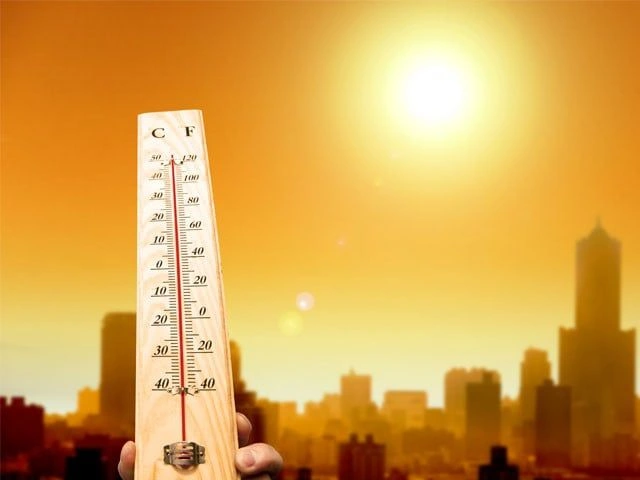
The IMD has sent out an urgent heatwave warning for Mumbai and the surrounding territories. During an unusual heatwave in early March, temperatures are forecast to reach over 38°C.
Mumbai, India’s busy financial metropolis, is gearing set for another scorching spell. The India Meteorological Department (IMD) has put out a new yellow advisory for heatwave conditions in several sections of the city and adjacent districts including Thane, Palghar, and Raigad on March 13 and 14, 2026. This is the third warning like this in the first 12 days of March. This is not normal, and it could suggest that the weather is changing in ways that are linked to wider climate patterns. The weather is expected to be clear and calm, with temperatures reaching 38°C. This means that when individuals in the city are busy, they are more likely to get sick from the heat.
The most current IMD warning has the following information:
The IMD’s most recent bulletin warns about how quickly the heat is rising because of an anti-cyclone over the Arabian Sea. This brings warm, dry winds from the north that stop the sea breeze from the coast of Mumbai from cooling things down. The weather reports suggest that the highs throughout the day on Friday and Saturday will be between 37 and 38 degrees Celsius, with lows maintaining around 23 degrees Celsius. This means that there won’t be much relief at night. This comes after temperatures in the suburbs reached 38.9°C and in South Mumbai reached 36.2°C, which is far higher than average for early March.
A yellow notice from IMD says you should be wary. In coastal plains like Mumbai, a heatwave is when the highest temperatures linger at or above 37°C for two days in a row and are at least 4.5°C higher than typical. The notification is for the Mumbai Metropolitan Region (MMR), which has more than 20 million people who rely on the city’s crowded infrastructure, such as busy trains and street vendors. Meteorologists claim that this is the first time in the first half of the month that Mumbai has had three heat waves. This makes me question how dependable seasonal trends are in general.
Why the Rise is Out of Season
This heatwave is the result of a variety of weather-related things coming together. High-pressure systems and constant easterly winds have blocked the sea breeze from blowing in, which has kept the city warm. Clear skies make the problem worse by enabling steady sunlight raise temperatures and lower humidity. This makes it feel “very hot,” even along the seaside. Things have become worse swiftly in North Konkan, especially Mumbai, where cloudy sunshine and low humidity make things much worse.
Experts claim that the early start is because of changes in the atmosphere, like the formation of a new anti-cyclone that transports dry air from inland locations. This March anomaly is not like usual summer heat waves since it corresponds with what we’ve learned regarding warming trends. Mumbai’s average temperatures have gone increased by 0.25°C every decade since the 1970s, for example. The city has endured 13 heatwaves since 1977, and more than half of them have occured in the last 15 years. This means that global warming is making heat waves happen more regularly.
Weaknesses and health risks
Heatwaves are hazardous for public health, especially in Mumbai, which has a lot of people living there. People are more likely to experience heatstroke, dehydration, and exhaustion when it’s hot outside. Researchers have found that during these events in the city, the death rate from all causes rises by 3.4%. The elderly, individuals who work outside like traffic cops and construction workers, and people who live in slums and can’t access to cooling facilities are the most affected. Hospitals have already been under a lot of stress because of the recent heat waves. People who stay outside for long periods of time between 11 a.m. and 4 p.m. are more likely to get sick from the heat.
More than 120 people die each year in Maharashtra because of the heat, yet this number is usually not mentioned. Lower milk production and stress on farmers also harm kids and farmers, making it harder for them to acquire the nutrients they need. The air quality has gotten worse, with an AQI of about 255, which is “unhealthy.” This makes breathing issues worse since pollution gets trapped under the heat dome. The IMD urges to respond quickly: move those who suffer heatstroke to shaded areas, throw moist cloths on them, and get them medical help straight away.
Here are several key safety steps:
Stay away from caffeine and alcohol, and drink a lot of water and electrolyte drinks.
Put on light, flowy clothes in a light color and cover your head with a scarf or cap.
Stay inside or in the shade during the busiest times of the day (noon to 4 p.m.) and limit your time outside.
Look out for indicators like feeling dizzy, sick, or having a fast heartbeat, especially in persons who are at risk.
Stress on the economy and the infrastructure
The heat wave is hurting Mumbai’s economy because residents are using more electricity to run their air conditioners. In the past, similar scenarios saw peaks of over 4,000 MW, which is more than the usual summer demand of 3,400 to 3,600 MW. This could mean that places like Thane and Navi Mumbai will have to cut back on power use. In the past, utilities like Tata Power and Adani Electricity reached maxima of 1,005 MW and 2,070 MW, respectively. This put a lot of stress on the grids because of transmission constraints.
Agriculture is also being affected. Vegetable exports to Vashi APMC have dropped by 20 to 30%, and prices for basic goods have gone up by 40 to 50% because of bad stock and decreased yields from burnt leaves and stunted growth. Onions and other rabi crops’ bulbs may develop deformed if the heat stress continues, which could put food supply at risk. When it’s hot, traffic flows more slowly, and both commuters and police are exhausted. When construction sites stop operating, projects take longer to finish.
IMD Issues Urgent Heatwave Alert for Mumbai: 38°C Looms in March 2026