During the sweltering summer of 2026, Skinimalism 2.0 has become the go-to trend for skincare enthusiasts.This “barrier-first” philosophy simplifies regimens, boiling them down to just three key products. Dermatologists around the world are backing this pared-down approach, encouraging people to focus on safeguarding their skin barrier rather than resorting to harsh treatments.
This trend offers the prospect of radiant, healthy skin, minus the burden of elaborate ten-step regimens, especially when the summer heat and humidity are at their peak.
The pandemic sparked a surge in skinimalism, a movement toward pared-down skincare routines. It was a response to the need for simplicity that arose during the lockdowns.
Now, in 2026, it’s morphed into Skinimalism 2.0. This new iteration emphasizes a “barrier-first” strategy, tackling modern-day skincare hurdles such as urban pollution, the impact of blue light, and the unpredictability of the weather.
Dermatologists say this change is due to more people learning about the skin barrier, which is the outermost layer of the epidermis and is made up of lipids, ceramides, and proteins that protect the body from irritants, moisture loss, and germs. When the barrier is weak, it can cause dryness, sensitivity, inflammation, and faster aging.
These problems are worse in the summer because of the sun’s UV radiation and sweat.Dr. Elena Vasquez, a board-certified dermatologist in New York, says, “The old 10-step routines often stripped the barrier with harsh actives.” “Skinimalism 2.0 changes the rules: treat first, fortify second.”This trend makes sense in India, where Pune’s humid monsoons and Delhi’s hot summers require skin that can handle the heat. Local manufacturers and influencers are changing with the times. They are marketing ceramide-infused minimalists as the need for “summer skincare routine” products grows.Why the Skin Barrier Is the Most Important Part of Summer Skincare
The skin barrier is like a fortress wall that keeps water from leaving the skin (transepidermal water loss, or TEWL) and keeps intruders out. It keeps the pH level between 4.5 and 5.5 and is made up of corneocytes that are held together by a lipid matrix, mostly ceramides (50%), cholesterol, and free fatty acids. When it’s healthy, it keeps the skin hydrated on its own. When it’s injured, it causes redness, stinging, breakouts, and fine wrinkles.Summer has its own set of dangers. A high UV index (usually 8–10 in tropical areas) generates free radicals that break down lipids and collagen. Sweat and chlorine from pools change the pH, and air conditioning takes away moisture. Harsh peels, such glycolic acid or salicylic washes with more than 10% acid, are a big “no.” According to a 2025 study in the Journal of Investigative Dermatology, these exfoliants break down barrier lipids, making the skin up to 40% more sensitive. Barrier-first skincare, on the other hand, rebuilds with mild, healing elements.Some important players are:
Ceramides are lipids that come from plants or are made in a lab. They mirror the skin’s natural matrix and can restore 30 to 50% of barrier function in a few weeks.Peptides are signaling molecules, such palmitoyl tripeptide-1, that increase the production of collagen and hyaluronic acid without causing discomfort.Niacinamide is a kind of vitamin B3 that enhances the connections between skin cells and lowers inflammation by 20 to 30%.Squalane and centella asiatica are light emollients and soothers that work well in humid areas.Dermatologists say not to use retinol or AHAs at night during the summer since they make your skin more sensitive to light, which can lead to hyperpigmentation, especially on skin tones that have a lot of melanin, which is typical in South Asia.3-Product Summer Routine for Skinimalism 2.0, as Suggested by a Dermatologist
Skinimalism 2.0 is beautiful because it’s so simple: wash, hydrate/repair, and protect. This three-step routine, which must include sunscreen in the morning, takes less than five minutes and gives spa-level results.Dr. Raj Patel, a dermatologist in Mumbai who specializes in tropical dermatology, says it works for all skin types, from teens with oily skin to adults with dry skin.Routine in the Morning:
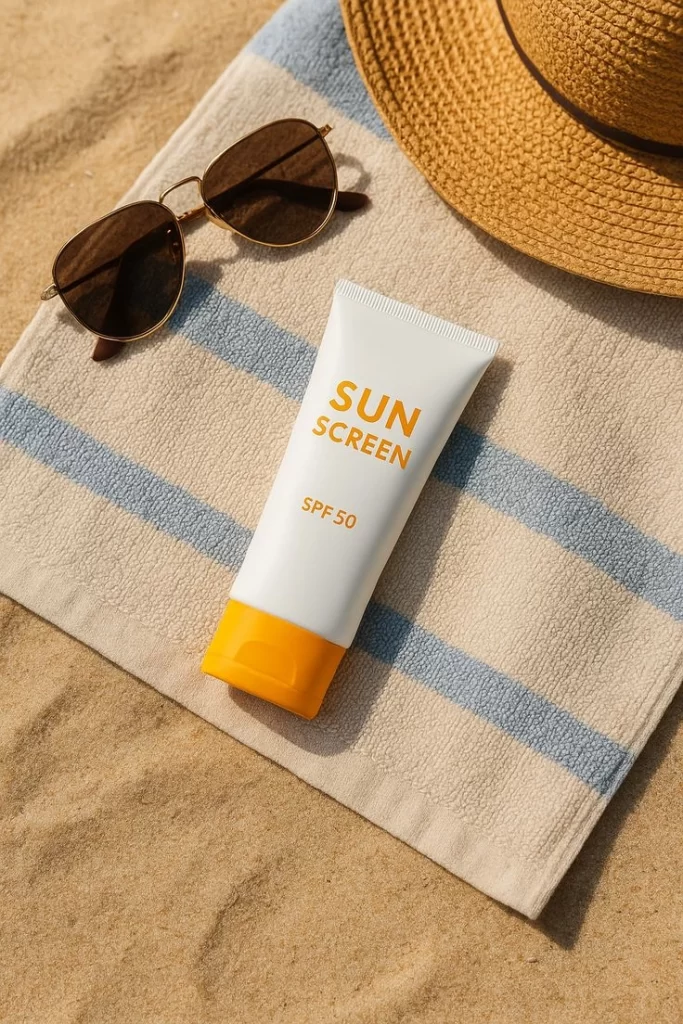
Choose a gentle cleanser with a pH balance and a lot of ceramides (0.5–1% ceramides). Stay away from sulfates that froth and remove oils. Never rub; always pat dry.Barrier Moisturizer/Serum: Put on a peptide-niacinamide hybrid with 5–10% niacinamide and signal peptides. This pair profoundly moisturizes and signals repair, stopping TEWL from heat.Mineral-based SPF 50+ sunscreen with zinc oxide and ceramides. Outside, put it on again every two to three hours.Evening Routine: Do the same thing you did in the morning, but use a stronger ceramide cream (3–5% concentration) instead of sunscreen to fix UV damage overnight.Tips from the pros for getting the most out of it:
Give the layers 1–2 minutes to soak in between.Add one product each week to see how well you can handle it.7–8 hours of sleep and a diet high in antioxidants (berries and greens) go well with this.There is strong clinical support. A 2025 randomized experiment published in the British Journal of Dermatology examined 200 individuals using a three-product barrier-first regimen; 85% reported enhanced hydration and a 70% reduction in breakouts after four weeks, compared to 40% on multi-step programs.Why Get Rid of the 10-Step Routine? Proof from science and the real world
Multi-step plans promised perfection, but they often didn’t work.
According to a 2024 poll by the American Academy of Dermatology, 62% of users had barrier damage from too much exfoliating. When you put too much of an active ingredient on your skin, such benzoyl peroxide or vitamin C, it makes your skin produce more oil, which leads to acne.Evidence-based restraint is what Skinimalism 2.0 does to fight this. Ceramides paradoxically manage sebum without clogging pores, making them good for oily skin in the summer. Peptides make skin firmer.
A research published in Clinical, Cosmetic, and Investigational Dermatology in 2026 found that they reduced wrinkles by 15% in 8 weeks. Niacinamide protects against oxidative stress in places with a lot of pollution, like Pune, where PM2.5 levels are high.Celebrity endorsements stoke the fire: Zendaya says her glow comes from a ceramide-peptide pair, and Indian actress Deepika Padukone says that being minimalist helps her survive the rain. Brands like The Ordinary and CeraVe say that sales of skin barrier dupes have gone up by 40%.Problems and customizations for different skin types
Skinimalism 2.0 is not a one-size-fits-all product. If you have acne-prone skin, add 2% salicylic acid to the cleanser only a little bit. People with sensitive skin like oat-based ceramides, whereas people with mature skin want peptides that are 10% stronger. Dermatologists in India change things up according on the weather. For example, they use thinner gels for oily skin and thicker balms for dry skin.What are some common mistakes? Too much scrubbing (no more than twice a day) or inexpensive synthetics that don’t include bioavailable ceramides. Try out new products on a small area of skin first, and for problems like eczema, where prescription ceramide ointments work best, talk to a doctor.A Change Toward Sustainable Beauty Has Wider Effect
Skinimalism 2.0 goes beyond regimens and questions the idea that beauty is too much. It reduces down on waste—global skincare packaging adds up to 120 billion units each year—and makes it easier for everyone to get. Affordable heroes like ceramide cleansers (less than $15) compete with high-end brands, making them more accessible.Barrier-first sunscreens without oxybenzone are better for the environment since they safeguard marine life during climatic crises.
Skinimalism 2.0: The 3-Product Summer Routine Recommended by Dermatologists