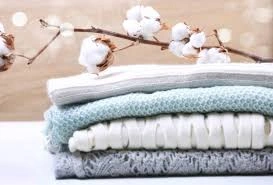
As the mercury rises across India, especially in the muggy heat of places like Pune, a shift is underway. Fashionistas and the everyday workforce alike are embracing these new “performance linens” instead of sticking with the usual cotton. These modern materials are engineered with technology to pull moisture away from the skin, allow for better airflow, and stand up to wear and tear. It’s a significant moment for summer style in 2026, a convergence of sustainability, flair, and practicality, all while maintaining that essential touch of sophistication.
Performance linens are poised to redefine comfort in India’s sweltering summers, blending cutting-edge textiles with classic designs. They’re no longer just a lightweight option.
These textiles are gaining traction in Pune, where the mercury frequently climbs above 40°C. They offer a dry, comfortable experience during those long commutes or getaways. This article examines the transition from cotton to performance linens, incorporating expert opinions, the science behind the fabrics, and style advice specifically designed for Pune’s distinctive way of life.
The emergence of performance linens represents a significant leap forward in textile innovation. Inspired by the realm of athletic wear, these linens are crafted to boost performance, capitalizing on the natural advantages of linen.
These include its elegant drape and capacity to promote airflow.
For a long time, people have said that cotton is the best fabric for summer. But because it can hold up to 27 times its weight in water, it can cause irritation, chafing, and bacterial growth, especially in humid places like Pune, where the monsoon season meets summer.
On the other hand, performance linens have micro-denier fibers and hydrophilic coatings that assist them dry out. These textiles draw sweat away from the body and dry it faster than cotton can. Textile scientists at the Indian Institute of Technology (IIT) Bombay say that performance linens can dry up to 40% faster than regular cotton when the air is excessively humid. This is especially significant in Pune, where the humidity level in the summer is usually between 60 and 70 percent.
They are different in a few important ways:
Controlling moisture: Ionic silver or antimicrobials made from bamboo are typically used to treat performance linens. This treatment stops mildew from growing and bad smells from happening. This is a common problem with cotton shirts that have soaked up perspiration after a day of driving in Pune’s traffic.
Many of these fabrics boast UPF 50+ ratings, effectively shielding your skin from India’s intense UVB rays. Untreated cotton, however, offers no such protection.
This is a more environmentally friendly option compared to cotton, which uses a lot of water.
A 2025 Global Fashion Agenda study indicates that linen-based performance fabrics consume 75% less water during production than conventional cotton.
And that oppressive heatwave that hit Pune? Let’s just say it was the result of everyone’s collective yearning for summer wardrobes in 2026.
Pune’s climate, a mix of blistering days, muggy nights, and unexpected downpours, demands adaptable clothing.
Since Diwali 2025, local shops have reported a 150% increase in sales of performance linens.
The driving force? Millennials and Gen Z professionals, all clamoring for that elusive “sweat-proof style.”
FabIndia and Manyavar have both unveiled their 2026 collections, featuring shirts, kurtas, and palazzo sets crafted from these fabrics.
Priya Sharma, a fashion consultant and owner of StyleMonsoon in Pune, says, “Performance linens are a great solution for Pune, where the cool air-conditioned offices are a sharp contrast to the heat outside.” They look nice, and unlike cotton, they don’t cling or feel wet after a half-hour trip in an auto-rickshaw. City IT workers who operate from home and in the workplace need clothes that can easily go from the office to an evening event.
They understand this.
The numbers show the trend
According to Nielsen’s retail data, the market for summer clothes in Pune expanded by 22% in 2025. 35% of the market was made up of performance fabrics.
Google Trends shows that searches for “performance linens for summer” in Maharashtra went up by 300%. The most searches happened during the heat waves in March.
LocalCircles says that 68% of women in Pune choose linen mixes for ethnic clothing since they keep them cooler than cotton sarees.
This isn’t just a trend; it’s a reaction to what we know about climate change. The summers in India are getting longer. The India Meteorological Department forecasts that by 2030, there would be 10 to 15 additional hot days. Performance linens are the attire for summer 2026 that protects you ahead of time.
How to Look Better in Professional Clothes in Pune’s Hot Weather: Office Lookbooks
Performance linens are great for making crisp, breathable workplace clothes that can handle 10-hour days in Pune’s busy business regions of Hinjewadi and Magarpatta. This carefully chosen lookbook will help you figure out what to dress in the summer of 2026:
The Power Shirt Ensemble: Wear chinos with a slim-fit performance linen shirt in pastel blue. This shirt wicks away sweat and has a UPF of 30. If you want to look professional in the boardroom, wear loafers. Good for commutes when the air conditioning isn’t working. Even when the humidity is high in Pune, it stays dry.
For Fusion Fridays, wear a straight-cut linen kurta in earthy hues that has been treated to keep it from wrinkling. Wear it with slacks that fit well. It’s a great outfit for meetings with clients where old and new meet.
Blazer Hack: Lightweight linen-blend blazers with vented backs that are breathable but structured. In 38°C heat, they work better than cotton suits that make you sweat.
You may wash these clothes in a machine, dry them fast (in less than an hour), and pack them for a weekend trip from Pune to Lonavala. Experts claim that the best way to relax and feel fresh is to wear neutral colors like whites, beiges, and sages.
Casual Outings Lookbook: Easy Style for Social Life in Pune
Pune’s lively cafés, from breakfast locations in Koregaon Park to walks along the Mula-Mutha River, call for casual clothes that are both stylish and comfortable. Performance linens look good here because they don’t have any wrinkles from cotton.
What to look forward to in 2026:
Weekend Warrior Set: A loose linen shirt over shorts with panels that let air circulate under the sleeves. Wear sneakers when you trek at Sinhagad Fort. Cotton alternatives will get you wet.
Brunch-to-Bar Flow: A flowy maxi dress or palazzo trousers made of performance linen that can stretch in all four directions. UV-treated so you may dine outside at German Bakery; if it rains, it dries right away.
Street Style Statement: Linen cargo pants with utility pockets that are made to last. A hat with a wide brim will make your travels to Phoenix Marketcity more fashionable.
Neha Kulkarni, a local influencer, says to wear light scarves over your clothes to protect them from the sun and to use earth-toned designs to hide little spills. According to lab tests by the National Institute of Fashion Technology, textiles keep your body temperature 2–3°C better than cotton. This gives you more confidence.
Market Predictions and Expert Advice for Performance Linens
“Performance linens look like high-end athleisure but are made for everyday wear,” says Dr. Rajesh Patel, a textile developer at IIT Delhi’s Fabric Lab. By 2026, 60% of high-end summer lines will probably utilize this technology. Brands like Uniqlo and Zara have already changed their approach and are now selling things in India that are meant for Tier-2 cities like Pune.
There are still problems: those who are on a budget stay away because they cost 20–30% more up front, but they last 50% longer, which makes up for it. It’s still important to buy items that come from ethical sources. To be sure they are good for the environment, look for solutions that have been GOTS-certified.
FICCI forecasts that the market for Indian technological textiles will go from $18 billion in 2025 to $25 billion by 2028. Sales of performance linens are growing the fastest, with a 12% CAGR.
In Pune’s blistering heat, performance linens outperformed cotton during the Summer Wardrobe Revolution of 2026.