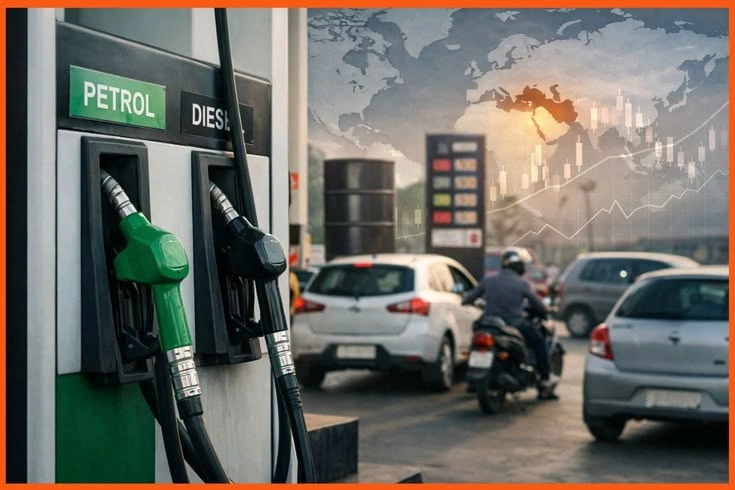
Changes in fuel costs in India have a big effect on the cost of living. These changes have effects on the economy as a whole, affecting everything from the cost of basic items to the daily commute. Every morning, the prices of gas and diesel change, which has an effect on living costs all throughout the country. Because of this, people have to pay different amounts for everything, from their trips to the shop every day to other things. Gas rates in big cities are around 90 cents per liter as of March 2026.
Most of the time, diesel costs between 88 and 90 cents. The family’s money is under a lot of stress right now.
Gas prices may seem “stable” for a few weeks at a time, but it’s hard to anticipate the future because crude oil prices, currency values, and tax rules are continually changing. For a lot of Indian shoppers, the fluctuating prices of petrol have gone from being a hazy economic idea to a significant aspect of both short- and long-term financial planning.
A glance ahead to the pricing of gas and diesel in March 2026.
India’s system for setting fuel prices is still very much in use.Every day at 6 a.m., oil marketing organizations vary the rates of petrol and diesel to reflect changes in the worldwide market and the value of the rupee compared to the dollar. For example, in March 2026, gas costs in big cities like Delhi were around 90 rupees per liter.
This is a level that is vital for the mind. Over 100 rupees were charged in several other states and towns. Diesel is still really inexpensive, although not as cheap as it used to be. Most of the time, it costs between $80 and $90 a gallon.
These numbers change from place to city, but the general picture is clear: petrol prices are still high compared to what they used to be, even if they aren’t going up every day. There haven’t been many changes from day to day in the last few weeks. This makes it appear like officials are trying to lessen the consequences of volatile global crude oil prices on purpose. For most people, the headline numbers, such as “petrol price today” or “diesel price today,” are more than just numbers. They are what decides if they can drive to work, drive a cab, or manage a small delivery service.
Why does the cost of gas in India change?
Many people think that gas companies raise prices for no reason, however in India, prices go up and down because of a tiered, formula-based structure. The expenses of refining oil in the US are connected to the global crude oil market, taxes at the federal and state levels, and dealer earnings through this system. This complicated chain of events is what makes the pricing that people see on gas station signage every morning.
Some of the main things that affect the price of gas and diesel are:
The most important thing is still the price of crude oil. India imports most of its crude oil from other countries. This means that as prices rise around the world, so do fuel prices. When the price of crude oil goes up around the world, Indian refiners have to pay more for the same volume of crude oil. Over time, that higher cost usually spreads across the system.
The value of the rupee in relation to the dollar is also quite important. When the rupee loses value, it costs more in rupees to buy each barrel of oil from another country, even though the price of oil in dollars stays the same. This is because people all across the world trade crude oil in dollars. This currency effect can either make swings in crude prices smaller or bigger, which makes things even more unpredictable.
Third, the costs of refining and selling the product make the final price go up. Because India is so big, crude oil needs to be turned into useful things like gasoline and diesel, stored, moved, and given out. The ultimate sale price includes the costs of storage and shipping, as well as the expenditures of running a business and advertising.
Fourth, the central excise duty is a big deal. The Indian government charges a certain amount of excise duty on each liter of fuel and gasoline. The amount of this doesn’t change as the price of crude oil goes up or down. This tax has become a key source of income for the national government over time. Changes to excise taxes, whether they are cuts that help consumers or hikes that bring in more money, can have a big effect on gas prices.
Also, the levies that governments charge, including sales taxes and value-added taxes (VATs), make prices very different from one state to the next.
Each state government sets these rates, which are normally a percentage of the base price plus any excise taxes. Because of this, gasoline and diesel fuel prices are usually substantially higher in states with higher VAT rates.
This means that gas from the same brand can cost a lot more in one state than in the next.
The dealer’s commission is a little but important aspect. Gas station workers get paid a certain amount for each liter of gas they sell.
This price changes from time to time to cover costs and keep the business running.
This cost isn’t very substantial in and of itself, but it’s still part of the full price build-up.
Taxes can make up a big part of the price of gasoline and diesel at the pump because both the excise fee and the state VAT are high. Reports from the government and research groups in the past have showed that taxes from both the national and state governments made up more than half of the price of gas in cities like Delhi at different times. Taxes are still a big element of how fuel prices are calculated, but the exact percentages depend on current rates and base prices.
The tax buffer: How restrictions keep things from going too crazy
One thing that isn’t well known about how to keep gas prices in India stable is that taxes can help protect individuals from variations in the price of crude oil. The central government can change excise taxes to make them less detrimental to consumers instead of letting global price hikes quickly and completely affect the price of gasoline and diesel in the country.
Recent studies and analyses show that India’s current tax system can handle a big spike in global oil prices before prices at the pump have to go up a lot. Some estimates say that the government can handle oil prices going up to about $110 per barrel by lowering the excise duty. This would keep the cost of gas and diesel at the pump fairly stable. This tax cushion protects US consumers from the ups and downs of global markets by functioning like a shock absorber.
But it costs a lot. Every rupee the central government saves in excise tax means it gets less money. This could have an impact on the government’s budget and make it harder to spend money on public programs or infrastructure. So, if oil prices stay high for a long time, it can be hard to establish a balance between keeping the economy stable and shielding people from changes in fuel prices.
People can still see the effects of bad things happening around the world in the shape of lower retail prices and fewer price shocks that come out of nowhere. But there is also a risk: if the price of crude oil stays high for a long time, the government may have to raise or restore taxes. This would make gas and diesel prices go up a lot more in the future. This flexible tax policy, which takes into consideration both worldwide markets and the demands of the domestic budget, is largely why people feel that fuel costs are “stable” right now.
How the price of gas today affects what you buy every day
Changes in fuel prices in India have the clearest and most direct effect on a family’s budget. Gasoline is an important part of both personal transportation and the larger supply chain that brings goods and services to customers. When petrol and diesel prices go up, the cost pressure spreads across the economy.
People who drive to work know that they spend a lot of money on gas each month. When gas prices go up, a typical middle-class family in a city may have to choose between driving and utilizing public transportation, going on fewer excursions that aren’t necessary, or cutting back on other expenses to make up for the higher fuel expenditures. People who use two-wheelers for work, such delivery drivers or gig economy workers, feel the effects of changes in fuel prices right away since they impact how much money they make every day.
When the prices of diesel and CNG-linked fuels go up, it costs public transportation companies more to run their buses and auto-rickshaws. Over time, many of these costs are passed on to passengers in the form of increasing rates. This means that even families who don’t own cars are affected by high gas prices because they have to pay extra for transportation every day.
When gas prices move up or down, the pricing of basic items may also vary. Food and other things usually go by road at some point on their way from the producer to the store. When diesel prices go up, freight businesses have to pay more for fuel, and logistics companies change their prices. Then, to make up for the higher costs of shipping and distributing, stores raise the prices of the things they have in stock. Because of this, the cost of diesel could go up, which could make the cost of vegetables, packaged meals, and other things you need for your home go up.
People feel these repercussions not just when they buy petrol directly, but also when the prices of food, service, and even e-commerce delivery keep going up. Economists and policymakers typically keep an eye on this by looking at how fuel prices affect both core and headline inflation. For most families, it just takes money out of their monthly budget.
Fuel Price Fluctuations in India: How Today’s Changes Are Reshaping Household Budgets and Daily Commutes