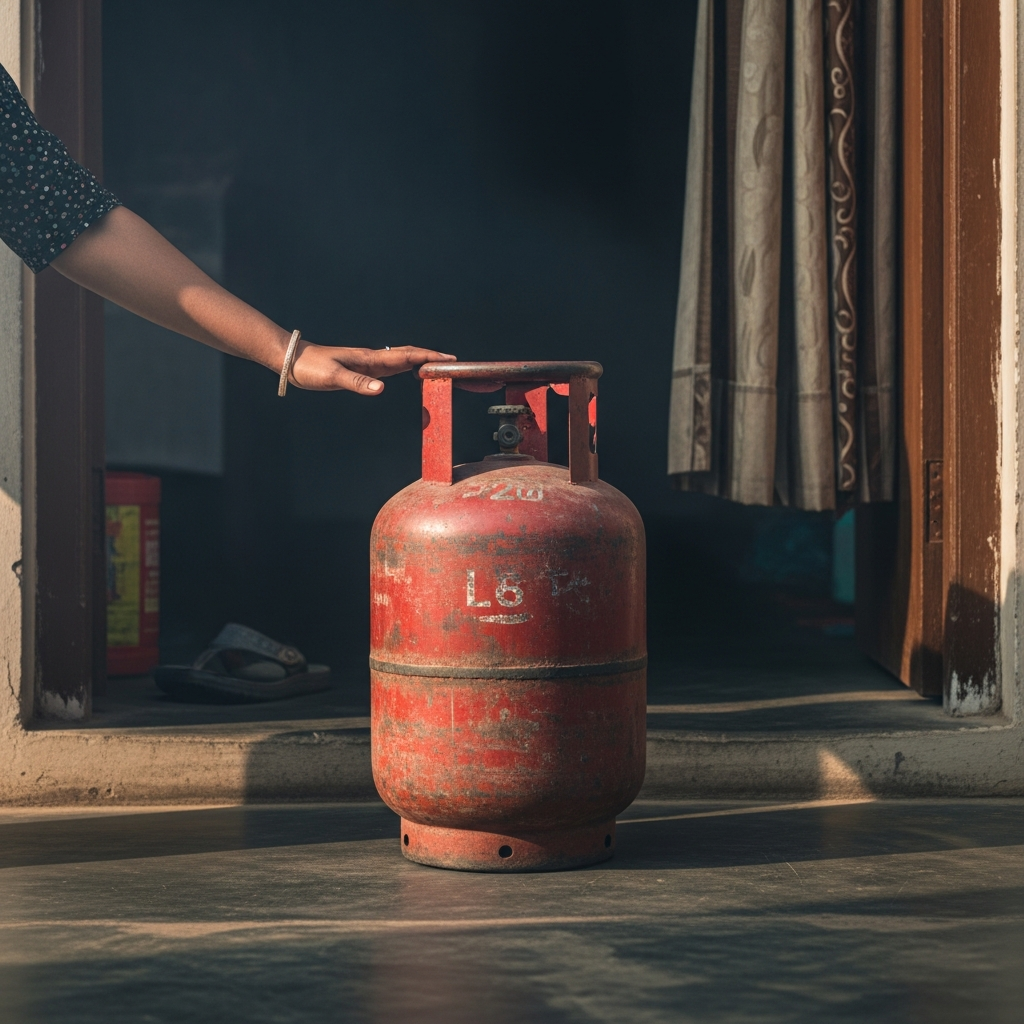
From Mumbai’s restaurant kitchens to homes in Hyderabad, an LPG gas shortage rooted in distant geopolitical tensions is quietly disrupting the most fundamental rhythms of Indian daily life.
The ritual starts the same way every morning in tens of millions of Indian kitchens. The day begins with a knob turning, a flame catching, and the smell of breakfast filling a small apartment. The stove is on, the pressure cooker is hissing, and the smell of chai is in the air. It is one of the most common things that happens in Indian life. And right now, that normalcy is in danger, though not loudly.
India is in the middle of a growing LPG crisis that has gone from being a topic of energy policy talks to affecting real people and businesses all over the country. The gas shortage is no longer just an idea that economists and energy analysts talk about. It is happening because of problems with global supply chains that are linked to rising tensions in the Middle East. It is showing up as longer waits for cylinder deliveries, rising fuel prices, and in cities like Mumbai and Hyderabad, restaurants quietly cutting back on their menus or hours of operation because they can’t guarantee a steady supply of gas.
A problem that started far away but hit home.
To understand the LPG crisis in India, you need to know some geography that most people don’t need to think about until something like this happens. India gets a lot of its LPG from Gulf countries, and the shipments go through sea routes that are currently under a lot of political pressure. The Middle East’s energy supply routes have been messed up, which has affected more than just crude oil. It has also slowed down the flow of liquefied petroleum gas, which India needs to keep its kitchens running.
India’s reliance on imported energy has long been seen as a structural weakness. The country gets about 60% of its LPG from other countries, so it is very vulnerable to any problems in international supply chains. Because Gulf relations were stable and shipping routes were mostly calm for years, this weakness stayed in theory. Now that tensions are rising and shipping costs are going through the roof, it’s very real, very quickly.
The Canary in the Coal Mine: Mumbai’s Restaurants
You can see the small signs of stress in any of Mumbai’s crowded restaurant areas, like Dadar, Bandra, or Andheri. A dhaba that used to be open all night is now only open until ten. A caterer who used to do three weddings a week is now saying no to new bookings. A mid-sized restaurant owner in Kurla said that last month he only got two of the five cylinders he ordered, which meant he had to take three dishes off the menu. “I’ve been running this place for eleven years,” he said. “I’ve dealt with price hikes, the pandemic, and everything else. But you really can’t cook if you can’t get gas. There’s nothing to take care of.
Hyderabad’s situation is similar. The city is known for its biryani culture and the thousands of small restaurants that are the economic backbone of working-class neighborhoods. However, the problems are affecting more than just the restaurant industry. The gas shortage is affecting a whole ecosystem of jobs that depend on food, like suppliers, delivery workers, and vegetable vendors who rely on restaurant foot traffic.
Families are stuck between prices going up and supplies running out.
For most Indian families, the crisis is a double whammy: it’s harder to get cylinders, and when they do come, they cost more. Prices for domestic LPG have been going up steadily in the last few months. The government can’t absorb the rise through subsidies because the same global energy supply pressures that are causing prices to rise in the first place are also making it harder for the government to do so.
For families with low incomes, especially those who live on the edges of cities and in semi-urban areas and have only recently switched from firewood or kerosene to LPG as part of government clean cooking programs, this situation could push them back toward older, more polluting fuels. A crisis that started thousands of kilometers away could quietly undo the hard-won gains of programs like Pradhan Mantri Ujjwala Yojana, which brought LPG connections to millions of homes below the poverty line.
What the Government Is Doing and What It Isn’t Saying Out Loud
Officials have been careful with what they say in public, telling people to stay calm and making it clear that the situation is under control. But behind the scenes, the response is clearly urgent. State-owned energy companies are trying to increase the amount of LPG produced in the country by existing refineries. They are also in talks to find new sources of imports, with the US, Australia, and some African countries being considered as possible alternatives to Gulf supplies.
These are the right steps to take. But they are also solutions that will work in the medium to long term for a crisis that is happening right now. It takes time to diversify energy supply sources because you have to make new contracts, set up new shipping arrangements, and build new storage facilities. Families and restaurant owners who are dealing with the LPG crisis right now can’t wait for the strategic recalibration to take effect.
The Important Lesson India Can’t Ignore
At its core, the LPG crisis India is going through right now is about being dependent on energy and what happens when the systems that feed that dependence all have problems at the same time. For decades, policy forums have talked about India’s need for more energy sources. It has been mentioned in budget speeches, five-year plans, and a lot of expert reports. However, talking about things and diversifying them are not the same thing.
The push for renewable energy sources like solar, biogas, and electric cooking is getting stronger, but the infrastructure needed to make these clean alternatives widely available, especially in rural and semi-urban India, is still years away from being ready. In the meantime, the country is still vulnerable because it relies on a global energy supply system that is becoming more and more prone to problems that it can’t control or predict.
The Empty Cylinder: How India’s LPG Crisis Is Arriving at the Doorstep of Ordinary Families