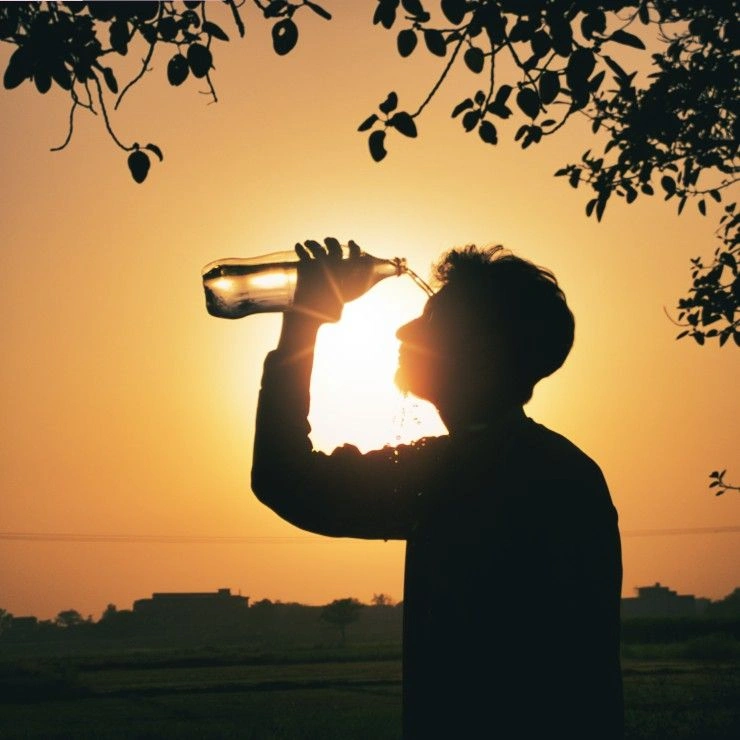
India is about to go through another brutal heatwave season in 2026, with temperatures already above 45°C in Rajasthan and Uttar Pradesh. The number of heat-related deaths is rising, which is a sad truth: numerous mistakes that could be easily prevented are turning normal summers into dangerous circumstances. The National Crime Records Bureau (NCRB) said that more than 1,000 people died from heatwaves last year. Experts say that this year’s “heatwave India 2026” could be much worse, thanks to climate change making things worse.
What grabs the public’s attention? “Drinking chai does not cool you down; in fact, it increases your risk of heat stroke.” These 10 blunders could cost you your life. This in-depth tutorial clears up common beliefs about heatwaves and shows you the hazardous mistakes Indians make during heatwaves. It also gives you science-based tips on how to avoid heatstroke.
The Growing Number of Heatwaves in India
India’s summers have always been hot, but 2026 looks like it will be even worse. The Indian Meteorological Department (IMD) says that northern and central states will see lengthy heatwaves. “Heatwave India 2026” alerts were sent out for Delhi, Punjab, and Maharashtra as early as March. Urban heat islands in cities like Mumbai and Pune make the situation worse by trapping heat and making “feels-like” temperatures rise above 50°C. Health experts from AIIMS and the WHO said that heat strokes, which used to be rare, now kill thousands of people every year, with workers, the elderly, and children being the most affected.
It’s not just the elevated mercury that makes these situations deadly; it’s the consistent errors stemming from cultural practices and simple misunderstandings. These dangerous heatwave missteps, such as sipping chai in the sweltering heat or ignoring the signs of heatstroke, can escalate minor discomfort into a serious medical crisis. To navigate a heatwave safely, you must understand these pitfalls.
The first mistake is thinking that hot chai is refreshing.
A hot cup of masala chai might sound comforting when the temperature soars, but the reality is more complicated.Contrary to popular belief, hot tea doesn’t cool you off; it actually increases your internal body temperature, making heat stress worse.
When you consume hot beverages, your body has to exert itself to dissipate the additional heat through sweating. This accelerates water loss, especially when the air is already saturated with humidity.The Journal of Physiology found that drinking liquids hotter than 37°C, which is the body’s normal temperature, makes it harder for the body to control its internal temperature.
This trend leads to more occurrences of heat exhaustion in India, where tea vendors do well even at lunchtime. To avoid heat waves, drink herbal infusions like nimbu pani with a pinch of salt at room temperature or cold. Drink enough water—3 to 4 liters a day, more if you’re outside.
Mistake 2: Choosing Black Clothes Over Light Cotton. The old wives’ story says, “Black absorbs heat, so wear white,” but that’s only half accurate and quite deceptive. A lot of Indians don’t wear dark garments at all. Instead, they wear a lot of synthetic black textiles or thick wool indoors, not knowing that material is more important than color when it’s hot outside.
Cotton whites do a good job of reflecting sunlight, but black cotton is better at letting air flow than tight polyester whites. According to a study from the University of Leeds, loose, light-colored cotton clothes can lower skin temperature by up to 5°C compared to dark synthetics. During India’s 2025 heatwave, the number of burns caused by melting plastics in black bags and garments went risen by 30%. To stay cool during India’s heat wave, wear cotton in any pastel color that lets air flow through it. Stay away from nylon or tight fits that trap sweat.
Tip: Wet a cotton scarf and hang it over your head. This will chill you down by 2–3°C right away.
Mistake 3: Eating too much heavy, oily food at the wrong times
As noon comes, kitchens are filled with the sounds of puris, dal makhani, and pakoras frying. But these oily treats are bad for the hot. When you eat a lot of fried food, your body has to work really hard to break it down, which makes your body heat up like the sun.
Gastroenterologists at PGIMER Chandigarh say that eating a lot of fat slows down digestion, makes the stomach swell, and sends blood away from the skin to cool it down. This raises the body’s core temperature during the hottest part of the day (11 AM to 4 PM), which is like early heatstroke. IMD data shows that these kinds of diets can cause a 25% increase in gastrointestinal heat diseases in the summer. Choose light khichdi, curd rice, or fruits like watermelon to stay safe in the summer. These foods have a lot of water in them, so they hydrate you from the inside out without putting too much stress on your metabolism.
Mistake 4: Not paying attention to early signs of heatstroke, like confusion and dry skin
Heatstroke sneaks up on you, and the worst thing you can do is ignore confusion, a fast heartbeat, or a stop in sweating as “just fatigue.” Classic heatstroke is different from heat exhaustion since your body’s cooling system has failed. A core temperature of 104°F or more means no sweating, a pounding headache, and feeling confused.
The Lancet says that India’s lack of awareness of these signs causes 40% of deaths that could have been avoided. In 2025, there were groups of farmers in rural Maharashtra who thought they were having sunstroke “rest” when they were really delirious. To avoid heat stroke, do the “hot and dry” triad: move to the shade, fan yourself hard, and call 108 for an ambulance. No delays; beyond 30 minutes, the chance of survival declines by 50%.
Mistake 5: Pouring cold water on people who have fainted
When someone faints, the first thing most people want to do is pour ice-cold water on them. But this shock treatment does more harm than good. It narrows blood vessels, which makes the body’s core temperature drop unevenly. This can cause the heart to stop beating.
AIIMS rules say that putting very cold things on heated skin makes blood vessels contract, which puts more burden on organs. During Bihar’s 2024 heatwave, 15% of “revived” patients had hypothermia shocks. The right way to respond to a heatwave in India is to fan yourself while sponging lukewarm water on your pulse points (wrists, neck, and forehead). Raise your legs 12 inches to get blood to flow.
Mistake 6: Not adding salt and electrolytes to your hydration routines
Just drinking water isn’t enough. Not getting enough salt can cause hyponatremia, which is when diluted blood sodium messes with neurons and muscles. Sweating flushes off 1 to 2 grams of salt per hour, yet a lot of people drink plain water, which can cause cramps and convulsions.
The World Health Organization (WHO) says that oral rehydration solutions (ORS), which are a mix of salt, sugar, and water, are very important during “heatwave India 2026.” Drinks made with coconut water or lemon and salt do this naturally. A research by NIMHANS indicated that 60% of people with heat had an electrolyte imbalance. Add 1/4 teaspoon of salt to 1 liter of water every day. If your urine is pale yellow, you’re balanced.
Mistake 7: Relying too much on fans that don’t have air flow
Fans spin all the time, but in closed spaces, they just move hot air about, which makes the air more humid and keeps body heat in. This “fan trap” blunder makes people think everything is fine.
Experts in ventilation say that open windows should let in cross-breezes on cooler nights. A TERI analysis says that fans alone make it seem 2°C hotter in humid areas like coastal India. After sunset, use exhaust fans to chill the air that comes in by evaporating moisture from damp sheets on windows.
Mistake 8: Working or exercising outside during the hottest parts of the day
Masons, delivery drivers, and joggers ignore warnings and work from 10 AM to 5 PM, when the UV index is at its highest. The body can’t handle 1000 W/m² of solar radiation.
The Indian Council of Medical Research says that 70% of deaths from heat happen to people who work outside. The levels of danger change during the day. The time between 6 and 10 AM is a “safe zone” with a low danger. The risk is very high between 11 AM and 4 PM, so you shouldn’t work outside at all. The risk is moderate after 5 PM, so be careful. To lower the risks, work should be done before dawn or after 6 PM. We also suggest wearing wide-brimmed hats that shield 90% of UV radiation.
Mistake 9: Not paying attention to vulnerable groups, such kids and older people
Families sometimes forget about babies, who can’t control their temperature well, and older people, whose drugs can make them sweat less. Because of this, these groups get dehydrated three times faster.
According to NFHS-5 studies, one in five seniors in rural areas don’t know how dangerous it is. The idea for the family is to give the kids more water (popsicles are good) and check on the elder folks every hour. No dozing in the sun.
Mistake 10: Ignoring AC myths and ignoring heatwave warnings
Doubt about IMD apps and the idea that “AC weakens immunity” are holding people back from taking action. Long periods of exposure without a break might cause harm to build up.
NDMA says you should check twice a day. Tech tip: There are free apps that can track Wet Bulb Globe Temperature (WBGT). If it goes beyond 28°C, stop what you’re doing.
10 Mistakes Indians Make During a Heatwave: How to Protect Yourself from India’s Hot Summer Crisis