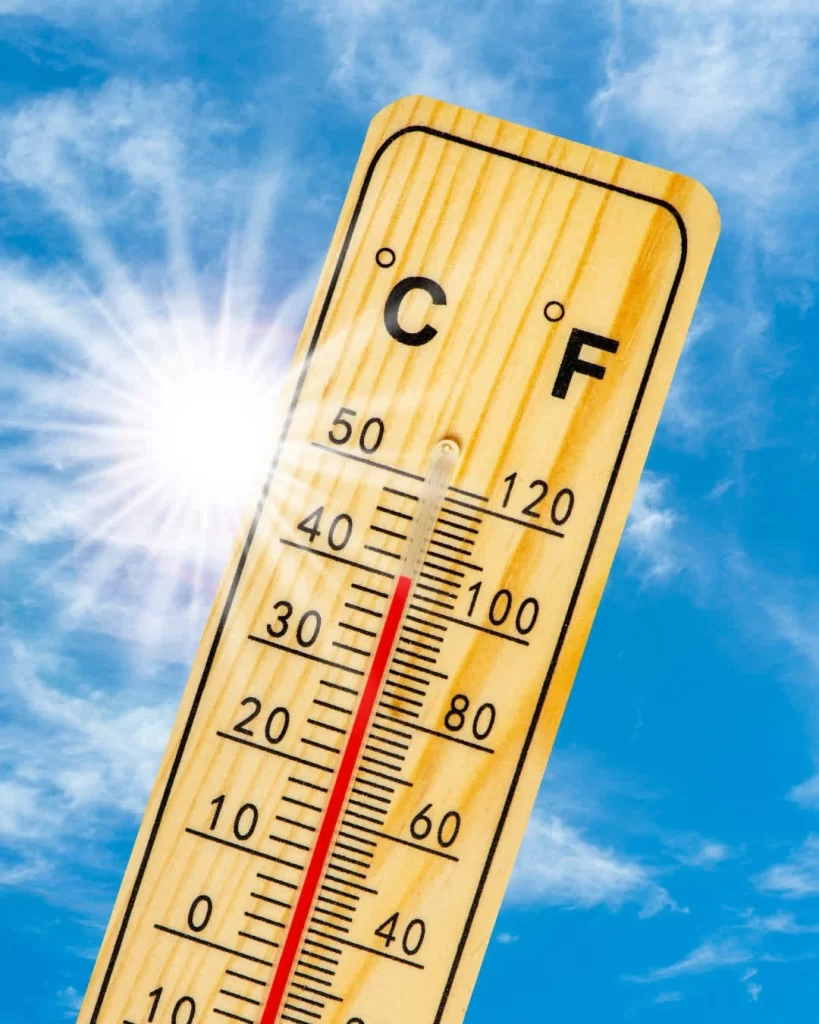
Every year, hundreds of people die in India’s hot summers because of rising temperatures. Heatstroke and heat exhaustion are two of the most common causes of death. In areas like Rajasthan and Maharashtra, where mercury values are above 45°C, knowing the difference between heatstroke and heat exhaustion might be the difference between life and death. “If you notice these three things, get to the hospital within ten minutes,” a leading physician advises. Knowing the difference between them is crucial. This piece explores the critical distinctions, symptoms, risks, and emergency actions necessary to protect those most at risk during the 2026 heatwave.
India’s heat problem has intensified.
The India Meteorological Department (IMD) said that more than 150 people died from heat-related causes in March alone this year. Urban heat islands in cities like Pune and Delhi make the problem worse, turning heat fatigue into heatstroke, which can kill you in minutes. Knowing the difference between heat exhaustion and heat stroke isn’t just good medical advice; it’s also important for families, outdoor workers, and older people to know.
What to Know About Heat Exhaustion: The Warning Stage
When the body gets too hot from being in high temperatures for a long time, not drinking enough water, or doing a lot of physical activity, it can become heat exhausted. It works like an alarm system for the body, letting it know that the core temperature is going up but not yet to a harmful level, which is usually between 38°C and 40°C.
Doctors say that heat exhaustion happens slowly, usually over the course of hours. The body sweats a lot to cool down, but losing too much fluid can cause symptoms including heavy perspiration, a fast heartbeat, and muscle cramps. Victims stay awake and can get better quickly with the right care, unlike its more deadly cousin.
Working in the noon sun, going to crowded festivals, or simply riding in non-AC automobiles during the hottest parts of the day are all things that can set off a heat wave in India. The National Disaster Management Authority (NDMA) did a study in 2025 that showed that 40% of heat exhaustion cases in metropolitan India are caused by not drinking enough water while doing everyday things.
Heatstroke: The Medical Emergency You Can’t Ignore
When the body’s cooling system stops working completely, heatstroke, the most serious type of heat disease, ensues. If left untreated, core temperature can rise above 40°C, typically above 41°C, which can harm cells, cause organs to fail, and cause the brain to expand.
The main difference between heat exhaustion and heatstroke is that you don’t sweat, which is a clear sign. Dr. Rajesh Kumar, a senior emergency physician at AIIMS Delhi, adds, “No sweating in extreme heat means the body has shut down its cooling system; it’s a medical emergency.” Without sweat, the heat rises quickly, which can cause seizures, confusion, or coma in 10 to 30 minutes.
According to IMD data, heatstroke incidences are up 25% over last year. This is due to climate change and El Niño patterns. The most deaths happen in rural locations when people can’t get to cooling facilities as quickly.
Comparing Symptoms: Exhaustion vs Stroke
There are some important differences between heat exhaustion and heat stroke that can help you tell them apart. If you have heat exhaustion, your skin will be chilly, pale, and clammy, you will sweat a lot, your body temperature will be between 38 and 40 degrees Celsius, you will feel dizzy or have a headache while staying aware, your pulse will be quick but weak, your breathing will be fast and shallow, and it will start over hours. You can recover by resting and drinking drinks.
Heatstroke, on the other hand, causes hot, dry, red skin with no sweating, a temperature over 40°C (frequently 41°C+), confusion, agitation, seizures, or coma, a quick, strong pulse, rapid, erratic breathing, and a dramatic rise in minutes that requires hospitalization.
Three important indicators that mean you need to get to the hospital right away are: no sweating, a change in mental state (such slurred speech), and a temperature over 40°C. “Delay can cause irreversible brain damage—act fast,” Dr. Kumar says.
Why “No Sweating” Means Trouble Is Coming
The phrase “no sweating = medical emergency” shows that something is wrong with the body. The body can cool down by up to 2°C every hour when sweat evaporates. When someone gets heatstroke, the hypothalamus, which controls the body’s temperature, stops working and stops making perspiration. This keeps heat inside, which makes the core temperature rise very quickly.
Experts say it’s like an engine that gets too hot without coolant. Proteins break down, enzymes stop working, and organs like the kidneys and liver get multi-organ dysfunction syndrome (MODS). A 2025 study in The Lancet found that 70% of people who get heatstroke and don’t sweat quickly get rhabdomyolysis, which is when muscles break down and release toxins into the blood.
According to NDMA maps, 80% of people in India live in areas where they are vulnerable to heat. Knowing “no sweating” can save lives. People who work outside in construction and farming have the most cases.
Steps for First Aid: Do Something Before the Ambulance Gets There
While phoning emergency services (108), giving first assistance for heat exhaustion and heatstroke right away can buy important time. Do these things that your doctor says to do:
Get the victim out of direct sunlight right away. For evaporative cooling, use fans or moist cloths.
Put ice packs on your neck, armpits, groin, and forehead to cool down. Give them short sips of cool water or ORS if they are suffering from heat exhaustion.
Be smart about hydrating: Don’t force fluids on those who are unconscious; they could choke. For individuals with conscious heat exhaustion, rehydration should be the top priority.
Check vital signs: loosen clothes, raise legs a little, and look for signals that things are getting worse, such vomiting or fainting.
Stay away from myths: Don’t use alcohol rubs or full cold baths, which make blood vessels smaller and trap heat deeper.
According to the American College of Emergency Physicians’ standards for Indian summers, quick cooling lowers the temperature by 0.15°C per minute for heatstroke. If you act in the first 10 minutes, the chance of survival goes from 50% to 90%.
A Recipe for Homemade ORS That Could Save Your Life
Homemade ORS fills the gap until expert help can get to isolated places. The World Health Organization (WHO) supports this formula for treating electrolyte imbalance caused by heat exhaustion:
Ingredients (for one liter):
20g of glucose or 6 tablespoons of sugar
Three grams of sodium chloride, or half a teaspoon of salt
Juice from one lime or lemon (for potassium and vitamin C)
1 liter of clean, boiled, and cooled water
To get ready, mix the sugar and salt into the water, then add the lemon juice and whisk. Give 200ml after each loose stool or vomit, up to 1 liter a day for adults. For kids, cut the amounts in half.
This basic blend of fluids, sodium, and potassium works faster than ordinary water. NDMA says that handmade ORS has cut the number of deaths from dehydration by 30% in areas that are hot.
State-Specific Heat Helplines: Quick Assistance
In 2026, the Indian government intensified its response to extreme heat. If you need help, an ambulance, or a cool place to stay, reach out to these state-specific helplines:
For Maharashtra (Pune/Mumbai), dial 108 or 104 (Zonal War Room).
Rajasthan: 1800-180-6127
Delhi: 1075 (Heat Help Line)
Uttar Pradesh: 1070
Bihar: 0612-2233333
104 in Tamil Nadu
Gujarat: 108 or 1800-233-1020
These lines are open all the time and connect to local hospitals. They also offer support in Hindi and other regional languages. Apps like IMD’s “Heatwave Alert” send you real-time warnings based on your pincode.
Who Is Most Likely to Get Hurt? Keeping the Vulnerable Safe
Certain individuals face a higher risk of heat-related illnesses:
Older adults: They may not recognize thirst as readily and often take medications, such as diuretics, that hinder the body’s ability to regulate temperature.
The 60+ age group makes about 35% of instances.
Outdoor workers, such farmers, rickshaw pullers, and laborers, spend 8 to 10 hours in the sun. NDMA says the rate is 50% higher.
Kids: Higher metabolic rates make greater heat indoors; playgrounds become dangerous after 11 AM.
People with high blood pressure and chronic illnesses: Hypertension medications make it harder to sweat, and diabetics have nerve problems.
Women, especially pregnant women, and people who live in urban slums are also at greater risk. Some things you can do to avoid being sick are taking siestas from 12 to 4 PM, wearing light cotton garments, and drinking 2 to 3 liters of water a day, or more if you work hard.
Wider Effects and Ways to Stop Them
The argument about heat exhaustion vs. heat stroke shows how India’s climate is getting worse. Experts are calling for big changes to the way cities run, like planting more trees, making workplaces cooler, and having schools do drills.
Water kiosks and SMS notifications are required in heat action plans for more than 200 cities. Use IMD apps to keep track of wet-bulb temperatures (over 35°C is dangerous) for each person. Make your own ORS, know what “no sweating” means, and know the heat helpline in your state.
We give communities power by teaching them the differences between heatstroke and heat fatigue. This summer, being alert could save lives. Stay educated and stay cool.
A doctor’s guide on telling the difference between heatstroke and heat exhaustion and saving lives this summer