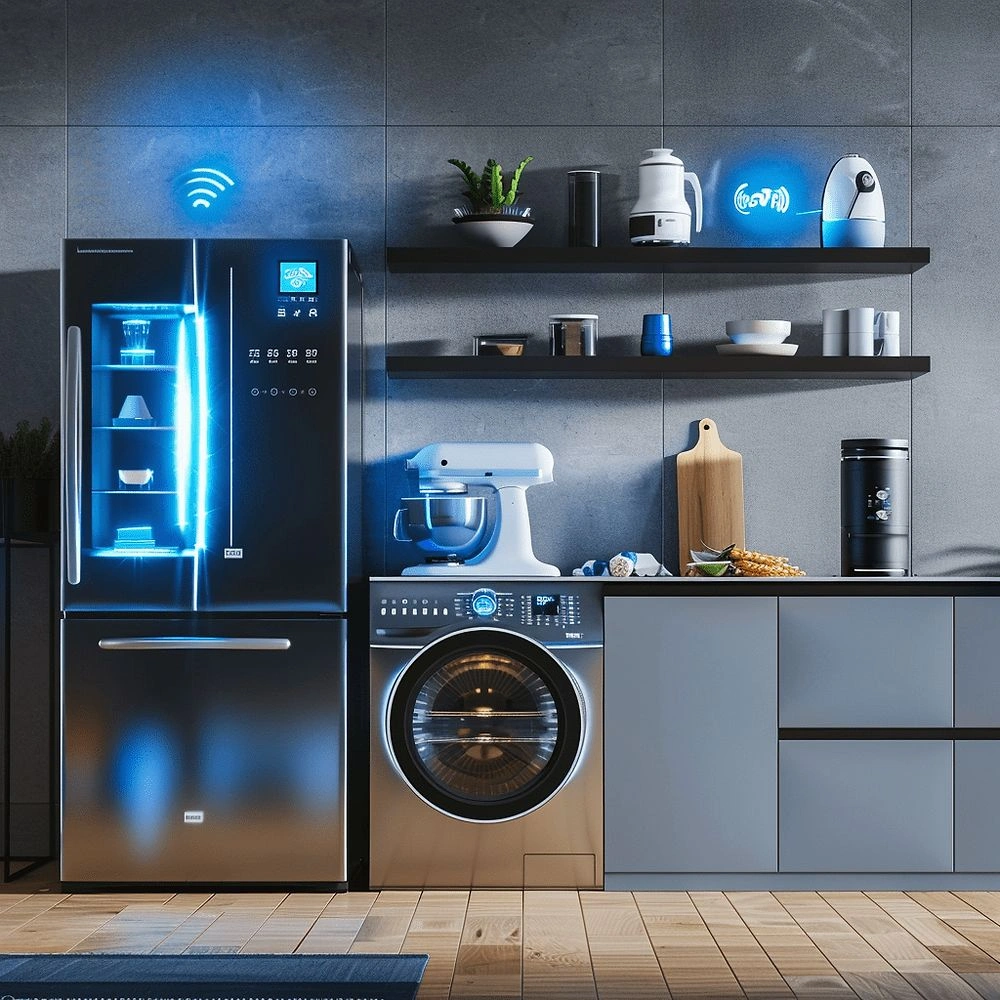
Indian families are getting higher-than-expected power bills, even though they are trying to save energy. This is happening at a time when electricity prices are rising and people are trying to live in a way that is good for the environment. You turn off the air conditioner (AC), but the bill keeps going up. Could those innocent-looking appliances be surreptitiously using up your electricity? This deceptive usage of electricity, also called “phantom load” or “standby power,” can take up to 10% of a regular home’s electricity, which costs hundreds of rupees every month. As summer heat waves make people in places like Mumbai and Delhi use more air conditioning, and Maharashtra’s electricity costs stay between ₹7 and ₹10 per unit, it’s become quite important to find these energy vampires. This article shows the top 10 reasons, based on data from the Bureau of Energy Efficiency (BEE) and research from throughout the world, and gives you practical ways to cut your cost by 15–20%.
The Phantom Load Phenomenon: What It Means That Your “Off” Appliances Aren’t Really Off
When equipment take electricity even when they are turned off, they are said to be in standby power, or “phantom load.” This is done so that they can power up quickly or save their settings. According to a forecast from the International Energy Agency (IEA) in 2023, standby losses around the world are equal to the amount of electricity used by all of India’s homes. This hidden waste of electricity costs ₹5,000 crore more per year for 300 million homes in India who rely on devices.
People still believe things like “It’s not practical to unplug everything.” Still, specialists like BEE’s energy auditors say that just being in standby mode on TVs and set-top boxes uses 5 to 10 watts per hour. That’s 0.12 to 0.24 units per day per device for a 24/7 operation, which adds up across families.
Important Numbers About Phantom Load:
TVs in standby use 3 to 5 watts (₹50 to ₹100 per unit per year).
Chargers need 0.5 to 2 watts, even when phones aren’t hooked in.
The total phantom load in a house is 50 to 100 watts, or 1 to 2 units per day.
The first step to getting your money back from items that are silently draining your electricity account is to understand this.
1. TVs and set-top boxes in standby mode: The Silent Bill Busters
The most energy-hungry things in your home are your flat-screen TV and DTH set-top box. Modern LEDs use 0.5 to 3 watts in standby mode so that they can turn on right away with a remote. Older CRT units leak up to 10 watts. Most houses in metropolitan India need set-top boxes to sync signals, which use 5 to 15 watts of power all the time.
A BEE star rating research shows that a 5-star TV saves 20% compared to a 1-star model, yet it still uses power while it’s not in use. This phantom load is equal to 1 unit each day in a Delhi home with two TVs and a Tata Play box. At ₹10/unit, that’s ₹300 a month.
Fix: Get smart power strips that turn off all the power when gadgets are off. Tip for becoming viral: Call them “Phantom Killers” to get your relatives to follow through.
2. Old refrigerators that run all the time: Check now to see if they’re not working right.
Refrigerators never sleep; they run all the time and take 15–20% of the electricity in a home. Pre-2010 versions that don’t have inverter technology use 300 to 500 units a year, while BEE 5-star ones only use 150. If the door seals are leaking or the shelves are too full, the compressors have to work harder, which wastes more electricity.
A Quick Test of Efficiency:
Fill four 1-liter bottles with water and freeze them overnight.
If they don’t freeze solid, the seals or thermostat are broken.
Check your yearly use by dividing your bill by the number of fridge units you have (usually between 200 and 400).
In Aurangabad, where summers are humid, antiquated fridges raise bills by 2 to 3 units every day. Switch to inverter models to save 30%.
3. Washing machines that use hot water: a waste of power
Front-load washing machines that default to hot wash use 2–3 units per cycle, which is twice as much as cold wash. A normal 7kg machine operates three to five times a week and discreetly uses 50 to 100 units of electricity a month if set to 60°C. Consumer tests show that fabric softeners and detergents work effectively in cold water now.
In Maharashtra, where water is scarce, hot cycles waste energy by heating groundwater. Switch to eco mode to save ₹500–800 a year.
4. Chargers and adapters that are always plugged in: the “Perpetual Sippers”
Phone chargers, laptop adapters, and even toothbrushes use 0.1 to 5 watts all the time. A home with five chargers consumes 0.5 units a day, which adds up to ₹150 a month. Adding to this are USB connectors on PCs, which send power when the computer is turned off.
Tip: Multi-port chargers with auto-cutoff technology stop this. Just unplugging things saves 5–10% on bills.
5. Old water pumps that don’t have timers use 2–3 units of water every day.
Apartments and bungalows use submersible or jet pumps that run at random times but don’t have timers. In setups with overhead tanks, these pumps can over-pump 2–3 units each day. The 1HP pumps in Aurangabad’s high-rises are not very efficient and use 0.75 kW/hour, which adds up to 20–30 units a month.
According to BEE data, timer switches cut runtime in half, saving ₹1,000 a year. Put in float valves so that the system shuts off by itself.
6. Desktop computers and printers: a home office-style drain
When not in use, desktops use 20 to 50 watts, and printers use 5 to 10 watts. Trends in India toward working from home make this much worse. A poll in Pune found that 8% of people had to pay more for their always-on PCs.
Improvement:
Turn on power-saving in the BIOS.
Use laptops instead (10 times more efficient).
7. Kettles and microwaves are thieves of time and power.
Digital clocks in microwaves use 2 to 5 watts all the time. When not in use, electric kettles leak 1–2 watts. They contribute 0.2 units every day when they work together.
Hack: Unplug the microwave and boil the food on the stove.
8. Gaming consoles and sound systems: energy leaks for entertainment
When in rest mode, a PS5 or Xbox requires 10 to 20 watts to update. Home theaters add 5 watts. Every month, gamers lose ₹200 to ₹400.
Solution: Shut down completely using console options.
9. Air Conditioners in “Sleep” Mode: Not as Restful as You Think
Some AC remotes tell equipment to consume 1–2 watts even when they are “off.” Inverter ACs work better but still leak when they cool down.India’s estimates for a heatwave in 2026 tell people to be careful.
10. Wi-Fi modems and routers: always-on power sips
To stay connected, routers need between 5 and 12 watts all the time. In homes with a lot of bandwidth, this is 0.3 units a day.
Use programs to plan night shutdowns to make things run more smoothly.
Smart plugs, timers, and energy meters that work to get your savings back
To deal with these appliances that are surreptitiously using up your electricity, you only need a few simple tools:
Smart Plugs cost between ₹500 and ₹1,000 and can turn off devices like TVs with an app. 10–15% off.
Timer switches cost ₹200 and turn off pumps and fridges automatically. Stops 2–3 units of trash each day.
Energy Meters: Plug-in devices that cost ₹300 track usage in real time. Example: Shows that the set-top box uses 8 watts when it’s not in use.
Do-It-Yourself Audit Checklist:
Go through the house and unplug anything that aren’t needed.
To find daily units, multiply watts by 24 hours and divide by 1000.
Goal: Cut phantom load to less than 20 watts.
The BEE 2025 campaign is pushing for those coveted 5-star ratings. If you get those ratings along with some upgrades, you could see your bills drop by 20%. That’s a potential savings of ₹2,000 to ₹5,000 annually, assuming your current bill is around ₹10,000.
Stories from Indian Homes That Make a Difference
Priya Rao, a software developer in Hyderabad, cut her cost by 18% by putting a timer to her pump and unplugging charges. This was confirmed by a meter. Amit Sharma from Aurangabad examined his 15-year-old fridge and found that replacing the seals saved him 1 unit per day. These changes are in line with India’s objective of reaching net-zero emissions, which means that each household will cut their CO2 emissions by 0.5 tons a year.
10 Appliances That Are Secretly Costing You Money: Find the Hidden Energy Vampires in Your Home