
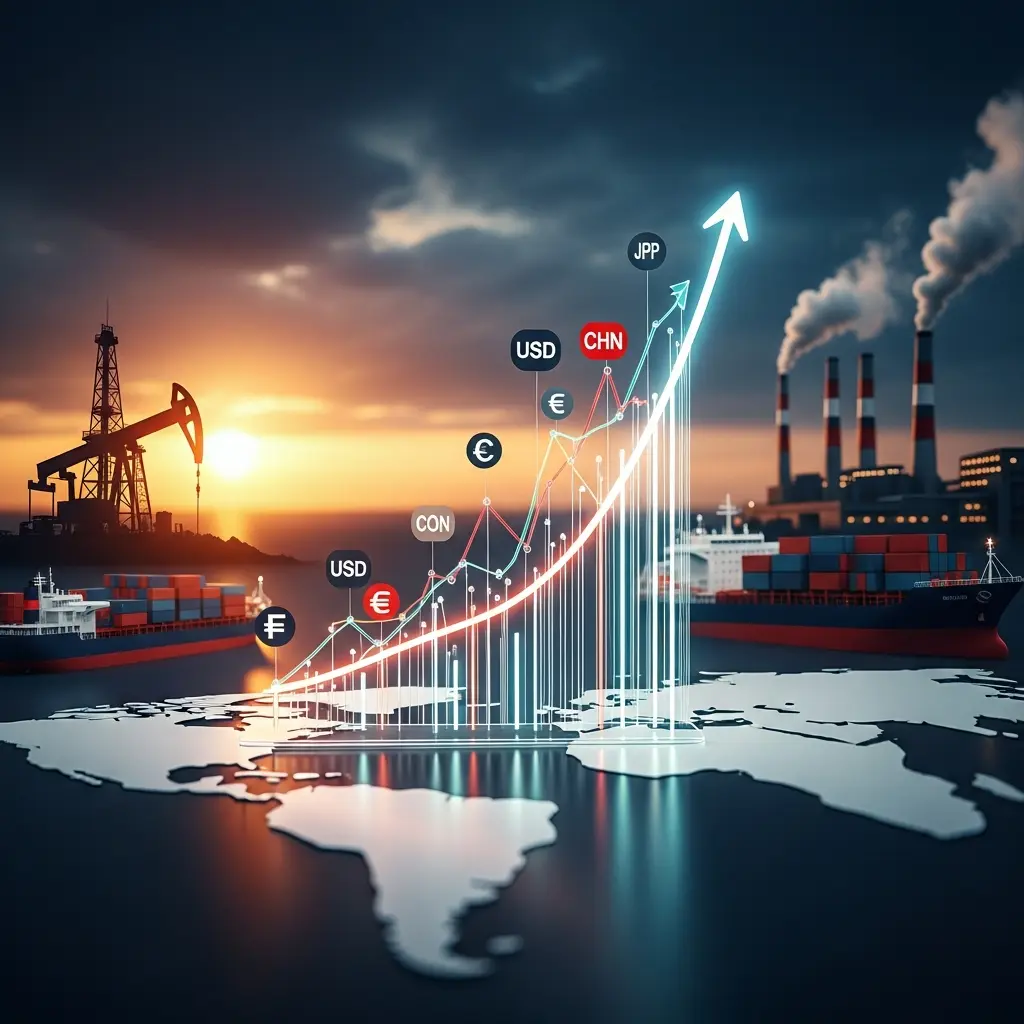
Rising energy costs, rattled stock markets, and a nervous investor community are signaling that the world economy is entering a period of serious turbulence — and the trigger is far from resolved.
here is a phrase that traders have used for generations when the mood on a trading floor shifts: “the market is speaking.” Right now, global markets are not merely speaking — they are shouting. Oil prices have surged significantly in recent weeks, a direct response to the intensifying unrest in the Middle East and growing concerns over the security of crucial energy transport pathways.
The consequences are rippling outwards, affecting more than just the traders in London, New York, and Tokyo. From the gas station to the supermarket, the impact of rising oil prices is being felt in nearly every aspect of everyday life, and the world is preparing for what lies ahead.
The cause: Middle East tensions and supply concerns
The reason for the recent surge in oil prices is clear. The escalating tensions in the Middle East have thrown a spotlight on the vulnerability of key global energy routes.
The area isn’t just an oil producer; it’s the lifeblood of global crude oil transport. A hiccup in Gulf shipping, or a serious threat to production facilities, instantly reverberates through energy markets.
Traders do not wait for disruptions to materialize; they price in the risk the moment it becomes visible. And right now, the risk is not just visible — it is growing.
“Oil markets run on confidence as much as they run on barrels. When confidence in supply security fractures, prices move fast — and they rarely come back down at the same speed.”
Stock markets feel the pressure
Energy prices and equity markets are linked in ways that are sometimes underappreciated until a crisis makes them impossible to ignore. When oil prices rise sharply, the consequences cascade quickly through the broader economy. Airlines, logistics companies, manufacturers, and consumer goods businesses all face higher operating costs almost immediately. Profit margins compress, earnings forecasts get revised downward, and investors — already nervous about the geopolitical backdrop — begin reassessing how much risk they are comfortable holding. The result is what we are seeing across global stock markets right now: declines that, while not yet catastrophic, reflect a fundamental shift in sentiment. Caution has replaced confidence as the dominant mood among investors worldwide.
The inflation threat no one wanted back
For governments and central banks that spent much of the past two years wrestling inflation back toward manageable levels, the prospect of an energy-driven price surge is a particularly unwelcome development. Inflation, as the world learned painfully during the post-pandemic period, is not a problem that stays in one sector. When energy costs rise, they feed through into transportation, manufacturing, food production, and heating — and before long, the pressure is being felt by households on everything from their electricity bills to their weekly shop. The fear among economic policymakers is that a prolonged period of elevated oil prices could undo significant progress on inflation, potentially forcing central banks to reconsider interest rate trajectories that were only recently beginning to ease.
Shipping disruptions introduce another risk. Besides the fluctuations in oil prices, the disruption of global shipping routes presents a distinct, yet closely related, economic vulnerability. Modern supply chains depend on the expectation of predictable and efficient international movement of goods.
Consequently, when crucial maritime corridors become perilous or impassable, the available alternatives are characterized by increased duration, extended distances, and substantially elevated costs.
Companies that import raw materials or finished goods through affected routes face difficult choices: absorb the higher costs and protect margins wherever possible, pass costs onto consumers and accept the inflationary consequences, or seek alternative suppliers at short notice in a market where everyone else is doing the same. None of these options is attractive — and the combined effect on global trade could be substantial if the situation persists.
What businesses and governments are doing
The response from governments and corporate boardrooms has been cautious but active. Several major economies are reported to be reviewing their strategic energy reserves and contingency plans for prolonged supply disruption. Businesses with significant energy exposure are hedging their positions in commodity markets, locking in prices where they can, and running scenario plans for different durations of conflict. Meanwhile, diplomatic channels remain busy with efforts to bring some degree of stability to the region, even as the immediate military situation remains unresolved. The honest reality is that beyond a certain point, neither businesses nor governments can fully insulate themselves from a sustained oil price shock — they can manage the edges of the impact, but they cannot eliminate it.
A moment that calls for clear-headed assessment.
The present turbulence in worldwide markets serves as a stark reminder: the global economy isn’t a closed system, immune to the fallout from geopolitical unrest. Soaring oil prices, falling stock markets, the reemergence of inflationary pressures, and strained shipping routes – these aren’t just random occurrences. They’re interconnected indicators of a system in strain.
What happens in the weeks ahead in the Middle East will determine, to a significant degree, how deep and how long this period of economic turbulence runs. For now, the world watches, monitors, and hopes that the path toward stabilization arrives before the damage to the global economy becomes something far harder to repair.

