
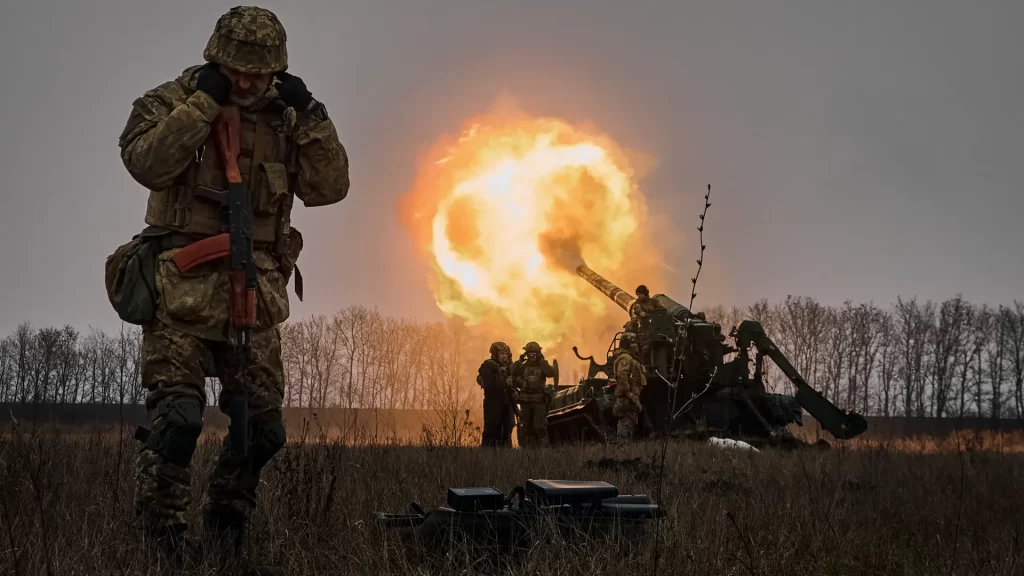
In a bold and unprecedented move that could reshape South Asia’s security dynamics, the Government of India announced today that any future terrorist attack on Indian soil will be treated as an act of war. The declaration was made following an emergency high-level security meeting chaired by Prime Minister Narendra Modi amid escalating tensions with Pakistan.
The official statement, released by the Ministry of External Affairs (MEA), marks a sharp shift from past doctrines that treated terrorism as a law-and-order or cross-border issue. “India has been patient, restrained, and responsible for decades. However, that era of strategic patience is now over. Any act of terror—direct or proxy—will invite a proportionate military response, treating it as a hostile act of war,” read the MEA communiqué.
National Security Doctrine Recalibrated
The decision comes in the wake of Operation Sindoor, India’s recent retaliatory airstrikes on terrorist camps along the Pakistan-occupied Kashmir (PoK) border. The operation was carried out after a series of drone attacks targeted Indian military bases in Jammu and Punjab, which authorities believe were orchestrated by Pakistan-based terror outfits.
India’s Defence Minister Rajnath Singh stated: “The cost of terrorism must be too high for its sponsors to bear. We are not just safeguarding our borders; we are redefining them.” Sources within the Defence Ministry revealed that India has now operationalized pre-emptive defense protocols, with heightened surveillance via satellites, drones, and joint-force readiness along the western front.
International Backing and Regional Ramifications
Global powers, including the United States, France, and Australia, have expressed cautious support. U.S. State Department spokesperson Emily Reeves said, “India has the right to defend its sovereignty. We hope all regional players exercise restraint, but we acknowledge India’s legitimate security concerns.”
Pakistan, however, has strongly condemned India’s new stance, calling it “provocative” and warning of “severe consequences” if Indian forces breach the Line of Control again. In response, India has placed its northern military commands on highest alert, even deploying additional contingents of the Indian Army and Air Force to sensitive zones.
Public Reaction and Political Consensus
The Indian public, particularly in cities like Delhi, Mumbai, and Srinagar, has reacted with a mix of anxiety and patriotism. On social media, hashtags like #IndiaStrikesBack and #ZeroTolerance have trended nationwide.
Opposition parties, traditionally critical of the ruling BJP’s defense strategies, largely stood behind the decision. Congress leader Mallikarjun Kharge stated, “No Indian, regardless of political belief, can condone terrorism. We support a firm but calculated response to protect national integrity.”
Economic and Civil Implications
While the stock markets opened lower on Saturday morning, investors stabilized by noon after reassurances from the Finance Ministry. Defense-related stocks such as HAL, Bharat Dynamics, and BEL surged up to 5% following the announcement.
Additionally, India’s cyber-security units have issued alerts to key infrastructure bodies including the Reserve Bank of India and the National Stock Exchange, cautioning of potential cyberattacks from foreign actors.
As India tightens its grip on national defense and diplomacy, today’s announcement signals a new chapter—one where terrorism will no longer be treated as an isolated crime but as an existential threat to the Indian state.
“Peace is our goal, but preparedness is our duty,” said Prime Minister Modi, in what may soon become a defining line in India’s modern defense doctrine.

