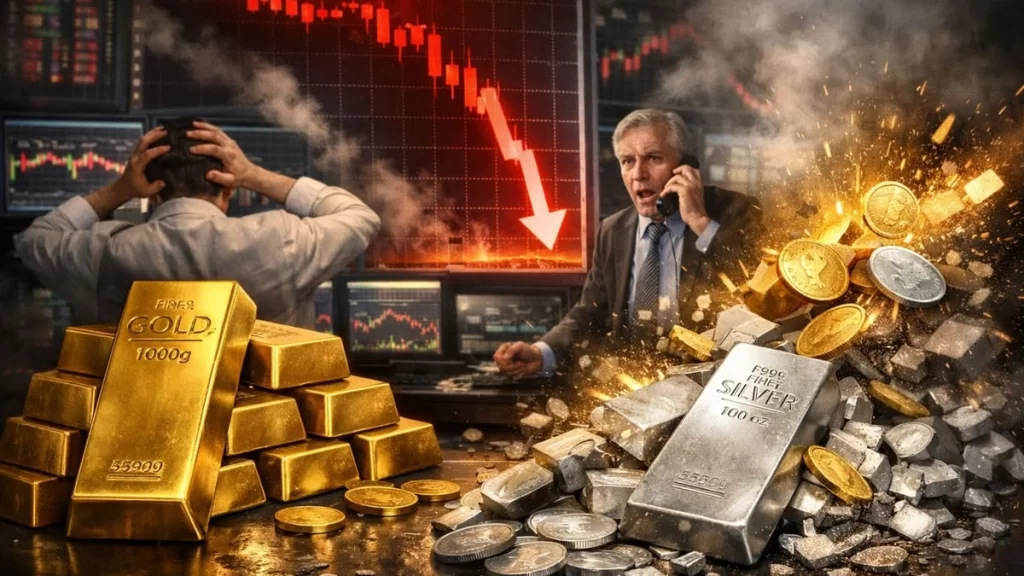
Gold prices have hit new short-term highs, which has drawn investors from all around the world to the yellow metal. As of early April 2026, the price of spot gold was over $2,650 per ounce. This was an increase of almost 8% from the beginning of the year and the largest quarterly gain in years. This rise in the price of gold isn’t just numbers on a chart; it’s a clear sign. Gold is still the safest asset to have when the economy is unstable, whether it’s because of high inflation or political tensions. But why now? What does this mean for regular investors, especially in places like India where gold is important both culturally and financially?
The rally started in the middle of a perfect storm of doubt. Central banks are having a hard time cutting rates that seem too modest, the stock market is nervous about corrections in the tech sector, and rumors of trade tensions are getting louder. People are moving their money into safe-haven assets like gold, U.S. Treasuries, and even the Swiss currency because they are scared. It’s a classic flight to quality, like what happened during the epidemic in 2020 or the inflation craze in 2022. But this time, the factors seem more complex, mixing old anxieties with new risks like AI-driven market volatility and changes in climate policy.
Why is gold getting more expensive?
Let’s take it apart. First of all, inflation won’t go away quietly. The U.S. The Consumer Price Index (CPI) for March 2026 clocked in at 3.2%, a figure that exceeded expectations. This news effectively squashed any anticipation of significant rate cuts from the Federal Reserve. Prolonged high interest rates weighed on both stocks and bonds, simultaneously making gold, an asset that doesn’t offer interest payments, a more attractive option. Gold tends to perform well when real yields – the interest rate adjusted for inflation – are declining. Real yields on ten-year Treasuries are presently lingering near -0.5%. This environment is generally favorable for gold enthusiasts.
Geopolitics gives it a boost. Tensions in the Middle East are rising, and recent clashes between Israel and Iran have stopped oil from flowing and shaken up energy markets. The war in Ukraine is still going on, which is raising prices for goods and services around the world. Then there’s the trade talk between the U.S. and China heating up again, with taxes on tech imports on the way as the election season heats up in the U.S. Investors don’t like not knowing what’s going to happen, and gold prices generally go up after these flashpoints. The World Gold Council said that central banks bought 290 tonnes of gold in the first quarter of 2026 alone. This was their biggest quarterly purchase in two years. China and India were the first to stockpile reserves to protect themselves against the dollar’s power.
The timing couldn’t be better when it comes to India. As the world’s second-largest gold buyer, demand here goes up during wedding season and festivities like Akshaya Tritiya in May. People who buy things in stores are also coming in. Local jewelers in Mumbai and Delhi say that sales of real gold have gone up by 15–20% in the past month. Prices in rupees reached ₹78,000 for 10 grams, thanks to both global factors and the rupee losing value versus the dollar. Gold is more than simply an investment for Indian families; it’s also savings, an inheritance, and bling. The question remains: Are families postponing purchases due to rising costs, or will established customs ultimately prevail?
Safe-Haven Assets: Why Gold Stays the Course During Uncertain Times
Gold, a perennial sanctuary, has offered refuge for thousands of years. From the hoards of ancient Egypt to the modern exchange-traded funds, it remains a steadfast safe haven.
Gold’s worth doesn’t hinge on quarterly reports or the latest market fads, unlike stocks or cryptocurrencies. It’s a tangible, limited asset, just as it is.
In a world as volatile as the one we find ourselves in now, that reliability is invaluable. Consider the recent slide in the Nasdaq: Nvidia, a darling of the AI sector, saw a 12% drop in a single week when investors deemed its valuation excessive, triggering a 5% decline across tech indices.
According to ETF.com data, gold ETFs like SPDR Gold Shares (GLD) saw $3.2 billion come in in March.
But things aren’t always going well. Critics say that gold has an opportunity cost because it doesn’t pay dividends or interest. Last year, when rates hit 5.5%, gold stayed below $2,200. Now that cuts are coming (Fed funds futures pricing in 75 basis points by the end of the year), the math changes. Here’s a short look at why investors are changing:
Central banks are buying: Russia, Turkey, and Poland are moving away from the dollar, adding 1,100 tons to world reserves since 2022.
Retail frenzy: India’s Groww and Zerodha said that searches for gold ETFs are up 40% since the stock market started to wobble.
Hedge funds are getting in on the action: Goldman Sachs raised its year-end gold price prediction to $2,800, saying it was due to “de-dollarization tendencies.”
According to GFMS estimates, demand for jewelry and industry goods stays steady at 50% of total supply, which protects against pure speculation.
What makes this trend in gold investments stand out? It’s not just institutions; it’s also retail. Digital gold is now available on apps like PhonePe for as little as ₹10, which is attracting millennials who didn’t want to buy genuine bars. Around the world, similar changes are happening. For example, Europeans are buying gold because of energy concerns, while U.S. 401(k) holders are putting more money into precious metals.
Have you ever thought about what you would do if stocks crashed tomorrow? Would you grab for gold first or remain with your crypto wallet? A lot of people are thinking about that question these days.
India in the News: How the Global Rally Affects People in India
India is an important part of any tale on gold prices. We’re talking about a $80 billion sector where gold imports affect the trade deficit and the value of the rupee. To keep prices reasonable, jewelers are changing their designs, making chains thinner and bangles lighter. People are once again interested in government programs like sovereign gold bonds, which pay 2.5% interest and have tax benefits for capital gains. According to RBI data, subscriptions reached ₹4,500 crore in the most recent round.
But there are still problems ahead. High costs could hurt holiday sales, just like the record highs in 2013 that led to more smuggling. This year, raids by the Enforcement Directorate on illegal commerce are up 25%. On the other hand, exporters are happy: shipments of gems and jewelry to the U.S. rose 18% in the first quarter, thanks to a rise in the price of gold around the world.
Timing is important for investors. Motilal Oswal’s Navneet Damle says, “Buy when the price drops below $2,600, but don’t chase peaks.” Digital choices make things easier. For example, Paytm Gold lets you stockpile grams without having to worry about where to store them. Young professionals in Pune and Bangalore are treating gold like a diversified bet by mixing it with mutual funds since they are worried about the employment market because of AI automation.
Wider Market Effects and Expert Opinions
The rise in gold prices isn’t just one thing. It’s putting pressure on other commodities, such silver, which touched $32 an ounce, and platinum, which is close to $1,050. At the same time, it has helped miners like Newmont and Barrick Gold, which are up 25% this year. The currency markets feel it too: a stronger dollar usually keeps gold from going up, but safe-haven flows are making that happen.
There are different opinions among analysts. If the chances of a recession go up (they’re now at 35% in their models), JPMorgan thinks the price would reach $2,900 by 2027. Bears like UBS say that if U.S. data suddenly weakens, it might lead to a drop, which would flood markets with cheap money. Kotak Mahindra Bank in India says, “Gold is still a core holding in the portfolio with a 5–10% allocation.”
Real-world relevance hits home. After Brexit, UK pension funds are putting more money into gold. Vietnam’s central bank buys 20 tons of gold every three months, just like India’s. There are other climate angles to think about. For example, the ESG push in gold mining, with companies like AngloGold Ashanti becoming net-zero by 2030, is appealing to ethical investors.
How long will this move toward safe-haven assets last? One person who knows a lot about the market said, “Gold doesn’t fix problems, but it lasts longer than most panics.”
As the world becomes less stable, investors are flocking to safe-haven assets, driving gold prices to short-term highs.