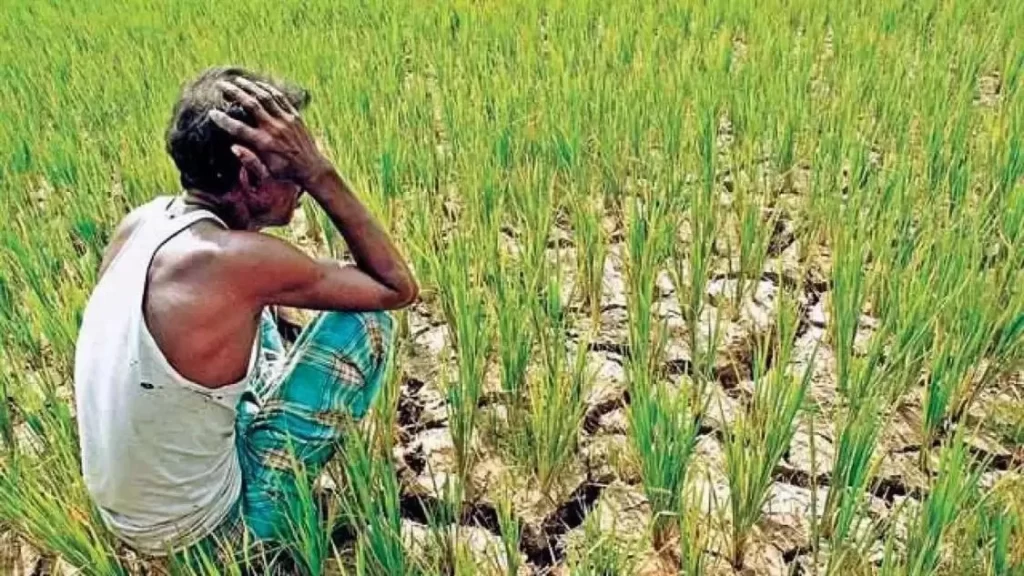
Farmers in Maharashtra’s parched fields and Punjab’s sun-drenched plains are facing an unwelcome arrival this April: blistering heat that arrived weeks ahead of its usual time. By April 10, 2026, temperatures in some areas of India had already soared to 42°C, shattering records for early summer. This isn’t just a temporary heatwave; it’s a stark indication of a changing climate, and that’s troubling news for the agricultural sector, a cornerstone of India’s economy.
Experts say that protracted periods of heat might lower crop yields, raise food prices, and make life even harder for people in rural areas, just as Kharif planting is about to begin. How much more can our farmland take before it reaches its limit?
The heat that is hitting harder and earlier
The way the weather has been this early summer isn’t a fluke. Temperatures are increasing quicker than usual across northern and central India. In Delhi, the streets are hot, while in Pune, the mercury has already reached 40°C this week. The India Meteorological Department (IMD) has warned 15 states of a heatwave, saying that temperatures could reach 45°C or more by the end of April. The summer of 2022 was a scorcher, and the present conditions could be worse, the figures suggest. Satellite data from ISRO reveals that soil moisture in key wheat-producing regions is running 20–30% below average. This situation stems directly from the erratic monsoons of the previous year, compounded by the early onset of fires this year.
The world picture is also bad. Last summer, Europe was hit by record heat, and Australia’s wheat crops were also hurt by early heat waves. In India, where 58% of farmland depends on rainfed agriculture, these worries about the climate get worse with every degree. Farmers in Vidarbha, which is known for its cotton and soybeans, say that saplings are dying before they are even planted. “We’ve never seen summers start this strong,” said one farmer from Akola. My irrigation pumps are already running out of water. It serves as a reminder that the effects of climate change on agriculture are not just theoretical; they are happening right now.
Kharif crops are facing a tough road ahead, and it’s a worry that’s only getting bigger. As the Rabi harvest comes to a close, the Kharif season kicks off. This is the time of year when the monsoon is everything, and it’s vital for India’s food supply. In fact, it provides half of what the country eats. Rice, corn, beans, and cotton are the mainstays.
However, the early summer heat of 2026 is throwing a wrench into the works. Young plants are feeling the strain of soaring temperatures, which could hinder their germination and tillering processes. Research from the ICAR indicates that each day above 35°C can potentially reduce rice yields by a significant 10%.
Rice grows best below 35°C.
For example, maize is a common food for both people and birds. In certain parts of Bihar and Uttar Pradesh, early heat has already pushed back planting by 10 to 15 days. If the heat continues throughout May, experts from the Indian Agricultural Research Institute say that maize production in the country could drop by 15–20%. The protein-rich pulses, like tur and urad, are particularly vulnerable. Heat can cause the flowers to drop, which could reduce yields by as much as 40%.
Key weaknesses in a nutshell:
Rice: Pollination doesn’t work above 38°C, which could mean an 8–12% drop in yield.
Cotton bolls are taking longer to develop, which could mean a 10–15% smaller cotton harvest in Gujarat this year.
Soybean crops in Maharashtra are struggling, evident in the leaf scorch and the fact that the pods are already a fifth smaller than normal.
These numbers mean something. If the Kharif is terrible, millions of people in a country where 45% of the labor works in agriculture could go into debt. Do you remember 2023? Extreme weather made it hard to grow crops, which caused onion prices to double and tomato shortages that led to protests. India can’t afford another hit this year, when global warming has already caused food output to drop by an average of 5% per IPCC reports.
Wheat problems from Rabi are still going on, which means more problems are coming.
It’s not all fear for the future; the Rabi season just concluded and left its own scars. In March, wheat, India’s golden grain, had to deal with heat waves that cut short the grain-filling phase. According to the government, the output may fall 3 to 5 million tons shy of the 112 million tonne objective. Punjab and Haryana, which grow 70% of India’s wheat, also suffered quality drops. Smaller, lighter grains make milling less efficient and flour costs go up.
Farmers did all they could to adapt, such as watering their crops more and putting netting over their fields to keep them cool. But the water tables are going down; this season, Punjab’s groundwater dropped by another 0.5 meters. In Rajasthan, rains that came at the wrong time preserved some crops but made them less valuable. The ripple? Buffer stockpiles are low, exports are expected to be limited, and inflation is rising. Last month, food prices went up by 8.5%. If summer carries on, they will probably go up even more.
What does this mean for your roti? If the Food Corporation of India has to pay more for supplies, it may have to cut back on subsidies, which would hurt the poor the most. And it’s not just one thing—Pakistan’s wheat imports are going up, which puts more pressure on South Asian markets.
The Hidden Cause of the Heat: Climate Change
If you look closer, it’s evident that climate change caused by people is making these extremes worse. The Council on Energy, Environment, and Water (CEEW) reports that India’s average temperature has gone up 0.7°C since 1901 and that heatwaves have gotten five times worse since the 1970s. This year’s El Niño should have provided relief, but a La Niña that is building up could make monsoons irregular as well, along with global warming.
Urban heat islands make it worse. Pune’s concrete sprawl traps heat, making nighttime lows reach 28°C. According to forest assessments, cutting down trees in the Western Ghats has reduced local rainfall by 15%. The UN’s World Meteorological Organization says that 2025 was the warmest year on record, which laid the stage for 2026’s wrath.
As early summer heat trends become more common, climate concerns in India grow because we are weak. 70% of the water comes from the monsoon rains, and a poor one after the heat might be quite bad. Without adaptation, CEEW models estimate that key crop yields will drop by 10% to 25% by 2030. Are we all set? Half-measures like solar pumps that only work sometimes won’t work.
Farmers Fight Back Against Adaptation Efforts, But Is It Enough?
Innovation happens in India even when it’s hot and sweaty. Drought-resistant rice types like CR Dhan 315 are becoming more popular in Tamil Nadu because they can handle heat better by 15%. Drones in Andhra Pradesh check on stressed farms to make sure water is used efficiently. The PM-KUSUM program from the government has put in 1.5 million solar pumps, which has made us less reliant on diesel.
PRADAN, along with other nonprofits, is helping tribal farmers in Madhya Pradesh adopt climate-smart practices. These include techniques such as mulching, zero-till sowing, and intercropping.
These things cut water demands by 30% and make things stronger. Co-ops in Maharashtra, where you’re reading this, are trying out shade netting over nurseries to save 20% more seedlings.
But there are still problems. Smallholders, or 86% of farmers with less than 2 hectares, don’t have the money for seeds or technology. Last year, just 40% of claims were paid out by PMFBY because of red tape. What if we made community seed banks or AI weather apps available all around the country? Could that dull the edge?
Lessons come in from all over the world. Brazil’s soybean growers employ predictive analytics to avoid the heat, and Israel’s drip irrigation saves 60% of the water. India might mix these with changes made at home, but the government is slow to act—only 25% of farmland is watered properly.
Economic Ripples: From Farms to Markets Around the World
The stakes are really high. Agriculture contributes almost 18% to the GDP and sustains 1.4 billion individuals. A 10% drop in Kharif production could push CPI inflation up by 1–2%, negatively impact $50 billion in exports, and widen trade deficits.
Rural consumption, which makes up 45% of demand, would drop, which would hurt manufacturing.
Stock markets are already feeling it. For example, agribusiness companies like UPL fell 4% this week because of worries about the heat. FIIs are interested in commodities, as wheat futures on NCDEX rose by 8%. Expect dal costs to go up 15–20% by Diwali for families.
India’s breadbasket problems are important around the world. As the world’s largest rice exporter, delays might cause prices to rise around the world, like they did in 2008. The WTO is keeping a close eye on the fights over subsidies.
India is already feeling the sting of early summer, and concerns about the climate are mounting as the agricultural forecast for 2026 looks increasingly grim.