Microsoft is making a big drive in Asia by adding more AI cloud services and new data centers to keep up with the huge demand for AI tools. This effort comes at a time when companies of all sizes, from startups to big corporations, are rushing to incorporate AI into their operations. Asia, especially India and Japan, is leading the way. The IT giant is putting down deeper roots in the area, with Azure AI leading the way. This will lead to speedier, more dependable services that could change the way businesses here come up with new ideas.
Just a few years ago, running big AI workloads meant dealing with latency problems or sending data halfway over the world. Microsoft’s most recent expansions are meant to solve that by bringing cutting-edge infrastructure straight to Asia’s doorstep. It’s not only about the hardware; it’s also a smart move to get a piece of the Asia-Pacific AI market, which is expected to reach $100 billion by 2028. This seems like a game-changer for Indian companies that are currently using AI in a lot of different fields, from farming to healthcare.
Why Asia? The Ideal Storm for AI Demand
Microsoft recognizes that Asia’s tech scene is on fire. The area made up about 40% of all AI expenditures last year, thanks to the increasing growth of digital technology. India, with its huge developer base of over 5 million people, and Japan, which is pushing for AI in industry, are two of the most important places. With Southeast Asia’s e-commerce explosion and China’s (despite legal difficulties) enterprise AI rush, you have a market that is too enormous to ignore.
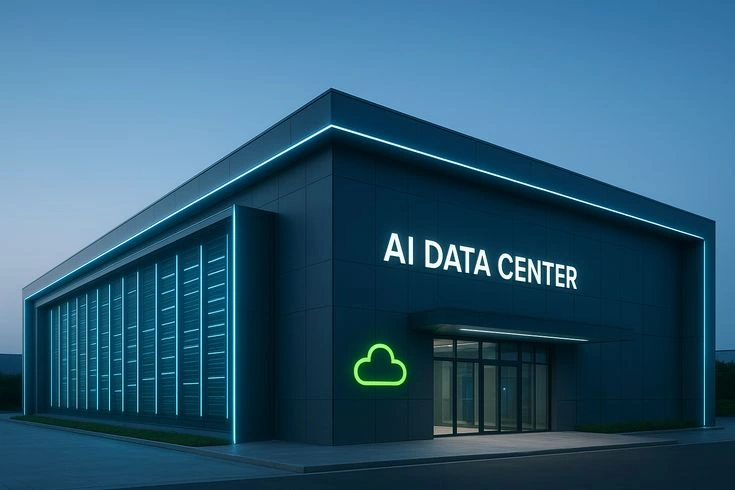
Microsoft’s Azure AI growth in Asia is a direct response to this. They’ve said they’ll build additional data centers in important places. One will be in Pune, India, and will be up and running by the middle of 2026. The other will be in Osaka, Japan, to go along with the ones they already have in Tokyo. These facilities will support Azure OpenAI Service, Machine Learning, and Cognitive Services, all of which are designed for AI inference with minimal latency. For example, latency can cut by as much as 60% when data stays in the same region. This is very important for real-time apps like self-driving cars and personalized banking.
This is very real for India, where AI cloud services are growing at a rate of 35% per year, which is faster than the global average. Big companies in India, like Reliance and Tata, are already using Azure a lot to train models on huge datasets from their own operations. The new Pune center will also address sovereign data demands, which is important because data localization regulations are becoming stricter. It is located in Maharashtra’s tech corridor. It’s a nod to India’s Digital India program, which helps small and medium-sized businesses use AI without the exorbitant costs of setting it up on their own.
What You Can Get from the New Infrastructure
Let’s get down to business. Microsoft’s AI cloud services growth isn’t just about adding more servers; it’s a whole ecosystem improvement.
Data Center Specs: The Pune facility has NVIDIA H100 GPUs for high-performance computing and can handle more than 10,000 AI instances. Osaka’s is similar, except it focuses on Japan’s robotics industry.
Key Services: Improved Azure AI Foundry for constructing bespoke models, as well as connections to Microsoft 365 Copilot to help businesses be more productive.
Sustainability Angle: Both facilities promise to run on 100% renewable energy, which is in line with Asia’s green tech rules. India’s goal is to have net-zero data centers by 2030.
Pricing Edge: Tiered plans start at $0.50 per million tokens for AI inference, which is 15–20% less than what competitors like AWS charge in some tests.
These aren’t promises that are too good to be true. Early adopters in India, such as a financial company based in Mumbai, say that model training times are 40% faster after previews of the expansion. Microsoft’s AI sales went up 30% last quarter over the world, but they went up 50% in the Asia-Pacific region. What does this mean for someone who owns a small business in Bengaluru? Building an AI chatbot for customer support isn’t just a dream anymore; it’s cheap and nearby.
Real-World Effects: From Indian Startups to Supply Chains Around the World
The stakes are higher when you zoom out. Microsoft’s AI infrastructure buildout in Asia-Pacific is part of bigger changes. For example, in India’s agritech industry, farmers who used Azure AI to anticipate crop yields witnessed a 25% increase in production in experimental projects. Now, with data centers in each state, that works across the country without any problems with data moving across borders.
Japan’s manufacturing centers also gain. Toyota and Sony are using Azure for predictive maintenance, which cuts downtime by 30%. Microsoft’s advances make it easy to scale up, even in Southeast Asia, where Indonesia’s gojek ridesharing app uses AI to find the best routes.
But things aren’t always easy. AWS and Google Cloud are right behind you—AWS just lit up Mumbai Region 2, and Google is betting on Taiwan. Regulatory problems are on the way: India’s DPDP Act requires tight data residency, while Japan is looking into AI ethics laws. In response, Microsoft has opened new “AI Trust Centers” that offer compliance audits.
Have you ever thought about how this affects daily life? These data centers make things faster and cheaper. For example, imagine your next online shopping binge powered by hyper-local AI recommendations, or doctors in rural Pune using Azure-powered imaging to make diagnoses.
Problems and the Future of AI Cloud Dominance
There are always problems with growth. India’s power grid problems might slow down full ramps, and the lack of skilled workers—Asia needs 1 million more AI professionals by 2027—could be a problem. What did Microsoft say? Working with IITs to train 100,000 developers through partnerships.
Geopolitics makes things more interesting. Microsoft goes around Huawei sanctions in some areas because of tensions between the U.S. and China, which helps its own stack. Still, the risk pays off: the number of businesses using AI in Asia has doubled since 2024, and 70% of them say cloud is a big part of it.
Microsoft is betting big on a boom in Asia by establishing new data centers to power up its AI cloud services.