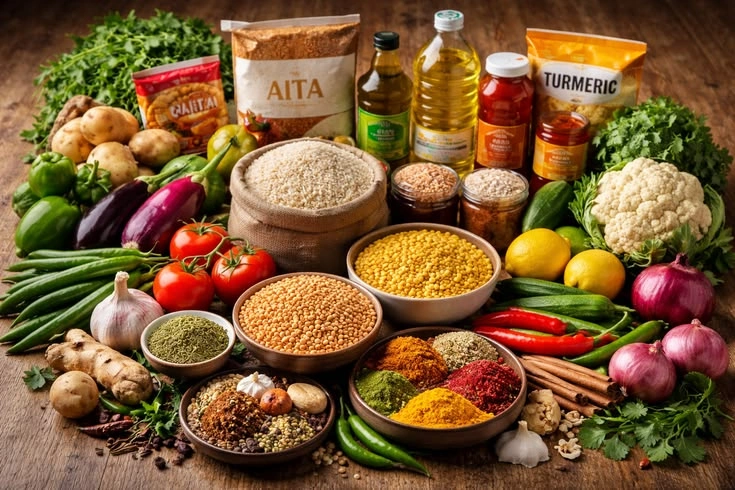
Food prices in India are climbing, albeit at a more measured pace of 3.87%. However, the cost of vegetables and oil continues to escalate rapidly, a situation that understandably causes concern among the population.
Food prices have finally gone down in a country where the daily thali is more than simply a meal—it’s a sign of how well the economy is doing. Official numbers show that it fell to about 3.87% in the last several months, which is a welcome change from the double-digit increases that shocked families last year. But don’t open the champagne just yet.
This situation forces many Indians, from the crowded streets of Mumbai to the rural areas of Bihar, to make difficult choices.
The significance of this issue is amplified by the impending monsoon season and the prevailing instability within global supply chains.
It reminds us that India’s fight against inflation is far from over.
The figures tell a clear story. The latest Consumer Price Index (CPI) data indicates that food inflation – encompassing price shifts for staples such as rice, pulses, fruits, vegetables, and oils – has eased to 3.87%.
That is down from highs exceeding 8% earlier this year. Cereals stayed the same because of strong kharif crops, but what really caused the problem? Vegetable prices went raised by about 30% in some months because of bad weather and problems with getting enough of them. Edible oils, which India has to import a lot of, also went up, with palm and sunflower oils going up 5–7%.
Imagine this: A kilo of tomatoes that cost ₹20 last summer is now between ₹50 and ₹60 in several areas. Onions, always the drama queen, swung violently before settling down a little. These aren’t simply numbers on a chart; they show why a family of four in Pune would miss that additional sabzi or choose a cheaper option. And with holidays like Diwali coming up, the stress is even higher.
Vegetables: A Dangerous Game of Weather
India’s vegetable basket is as varied as its people. For example, tomatoes come from Maharashtra, potatoes come from Uttar Pradesh, and onions come from Nashik. But 2026 has not been nice. Unusual rainfall in important growing areas like Madhya Pradesh and Karnataka made it hard to plant and move things. According to industry estimates, heat waves in the past ruined crops, and bad cold storage infrastructure caused losses of 20–30% after harvest.
Prices for brinjals and ladyfingers went up by 100% in northern markets after floods devastated the fields in Andhra Pradesh. Farmers in Vidarbha, Maharashtra, say that one week they sell at low prices and the next week they have too much of the same thing. Government actions, such as Operation Greens, are meant to stabilize this, but they aren’t happening fast enough. Better storage and subsidized transportation might help, but red tape makes things take longer.
This year’s vegetable prices are being driven by a couple of key factors.
Tomatoes have seen a 35% increase, largely due to blight and reduced shipments from South India.
Onions, on the other hand, are up 25%, a consequence of export restrictions imposed last year.
Potatoes: steady at +5%, thanks to big harvests in the Indo-Gangetic plains.
Apps like BigBasket reveal how much it hurts city dwellers: a normal veggie mix now costs 15–20% more than it did a week ago. People who live in rural areas and depend on local mandis feel it the most because they don’t have any imports to fall back on.
Edible Oils: The Import Trap Has Been Found
This is where it goes worldwide. India uses 22 to 24 million tons of edible oils every year, and it gets 60% of it from other countries. Palm oil, primarily sourced from Malaysia and Indonesia, dominates the market. However, prices have climbed due to a combination of factors: political instability, biofuel requirements in various nations, and a depreciating rupee. Then there’s sunflower oil, often associated with the Ukraine-Russia border.
Still fragile after the war. Prices went up 6–8% recently. A 5-liter tin now costs ₹800–900, up from ₹700 last Diwali.
Mustard oil, which is popular in North India, also went up in price at home since rapeseed production fell by 5% due to strange weather. Is there groundnut oil in the markets in Gujarat? Ten percent more. The government’s ₹11,000 crore price stabilization fund let equities go, but it’s only a temporary fix. Experts estimate that pushing for additional soy and palm farming in states like Gujarat and Andhra might save 20% on import costs in the long run.
What if India stepped up its domestic refining? It’s happening slowly, with new plants in Haldia and Mangalore, but it takes time to grow. In the meantime, families are switching to cheaper vanaspati or ghee dilutions, which show signs of silent desperation.
Effects on Indian Families
At 3.87%, food inflation doesn’t seem like much, but it packs a hit. Food accounts up 39% of the CPI basket for rural India and 36% for urban India. This is more for the poor. A 4% increase in prices lowers actual wages, especially when 6.5% of people in cities are unemployed. Families in places like Delhi and Bengaluru are changing their budgets: they dine out less and cook at home more.
Women, who are generally in charge of the groceries, carry the mental stress. “How can I give the kids healthy meals without spending a lot of money?” One woman in Delhi might question this, just like many others. Nutrition gets worse because micronutrient gaps get worse, which causes problems like anemia, according to NFHS-5 data.
It’s not good for the economy. The increase of sales of fast-moving consumer goods (FMCG) slowed to 5%, and staples like atta and oil had volume declines of more than 10%. Street vendors in Kolkata said they have 10–15% fewer clients. What about expectations for inflation? According to RBI surveys, it stays at 5%, which makes rate reduction harder.
Hits and Misses in the Government’s Playbook
New Delhi’s answer includes both short-term solutions and major bets. Limits on rice and wheat exports helped keep domestic inventories stable. Minimum Support Prices (MSP) for pulses went hiked by 8–10%, which made more land available for planting. The output of tur and masur could reach record highs. The PM Garib Kalyan Anna Yojana sends free grains to 80 crore people, which is a lifeline in times of uncertainty.
But detractors point fingers. Stock limits on traders helped, but hoarding still happens in waves. Onion buying under plans grew, but only in Maharashtra. The National Food Processing Policy is one of many reforms that promise cold chains and farmer producer organizations (FPOs), however there are still big gaps in funding.
The National Mission on Edible Oils, which Prime Minister Modi is pushing for “Atmanirbhar” in oils, could add 2 million tonnes to the country’s oil supply by 2027. States like Telangana try out contract farming for vegetables, which connects farmers directly with stores. There are success stories: Punjab’s potato hubs cut losses by 15% thanks to better logistics.
Shadows throughout the world and real life in your area
India isn’t the only one. According to FAO data, global food prices fell 10% from their highest levels in 2022, but vegetable oils are still 20% higher than they were before the war in Ukraine. El Niño’s effects are still being felt, but La Niña forecasts say that the monsoons will be better. Let’s hope for a good kharif in 2026.
This gets worse because of climate change. The IMD said that erratic monsoons, which are 20% stronger this year, could harm veggie belts. Geopolitics? Trade problems between the US and China affect soy prices. India is a net importer, thus the rupee at ₹84/USD hurts.
That journey to Lonavala over the weekend? Picnics with lots of veggies now cost more, which makes it harder to have fun on a budget. Millennials who know how to use technology can check prices with apps, but small vendors in Pune’s markets still haggle as they used to.
India’s Food Inflation Eases to 3.87%, But Vegetable and Oil Price Surges Keep Wallets on Edge