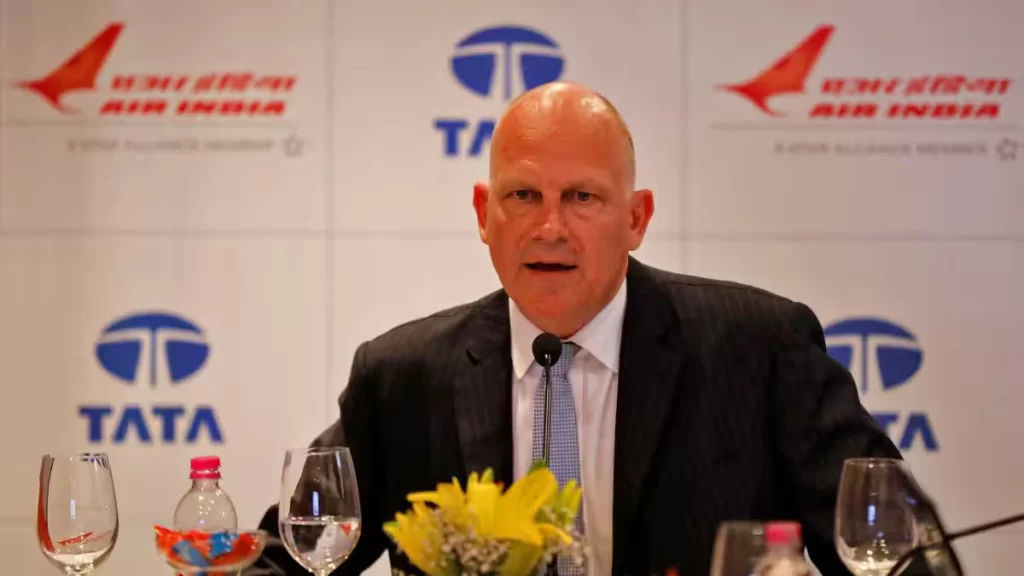
This week, Campbell Wilson stepped down as CEO of Air India. It wasn’t just the end of his time there; it seemed like a blow to India’s grandiose plans to bring aviation back to life. Wilson, a New Zealander who took over in 2022, pledged that Tata Group would turn the once-struggling national carrier into a worldwide powerhouse. Three years down the line, with financial setbacks mounting, Boeing deliveries lagging, and a growing chorus of passenger grievances, his departure amid Air India’s restructuring woes has prompted speculation: Is Tata’s bold bet on the Indian aviation market experiencing turbulence it can’t seem to overcome?
Even people who work in the business were surprised when the news came out on a quiet Monday in April 2026. Wilson’s short statement only said “personal reasons,” but others in Mumbai’s aviation circles are saying that there are bigger operational problems. Air India is in a perfect storm right now. It has sky-high fuel prices, a scarcity of pilots, and a fleet that is growing slower than planned. It is also fully merged with Vistara and getting ready for the Air India Express and AIX Connect merger. India’s domestic air travel sector exceeded 150 million passengers last year, so this lack of leadership poses significant challenges. Can Air India get back on track without ruining Tata’s plans?
The Rise and Tough Ride of Campbell Wilson
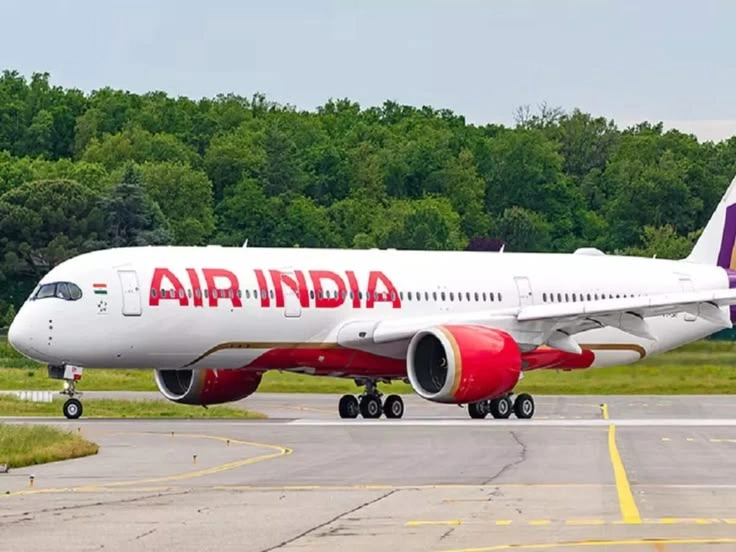
Wilson was not like most airline bosses. He had worked for Singapore Airlines for a long time before joining Air India at a very important time. Tata Sons bought the airline from the government in January 2022 for a symbolic ₹18,000 crore and promised to turn it around in five years. Wilson’s airline announced “Vihaan.AI,” a huge ₹80,000 crore strategy to make things better. They quickly brought out new uniforms, better cabins, and a beautiful new website. Air India has bought 470 planes from Airbus and Boeing by 2024, with the goal of tripling its fleet to 400 by 2027.
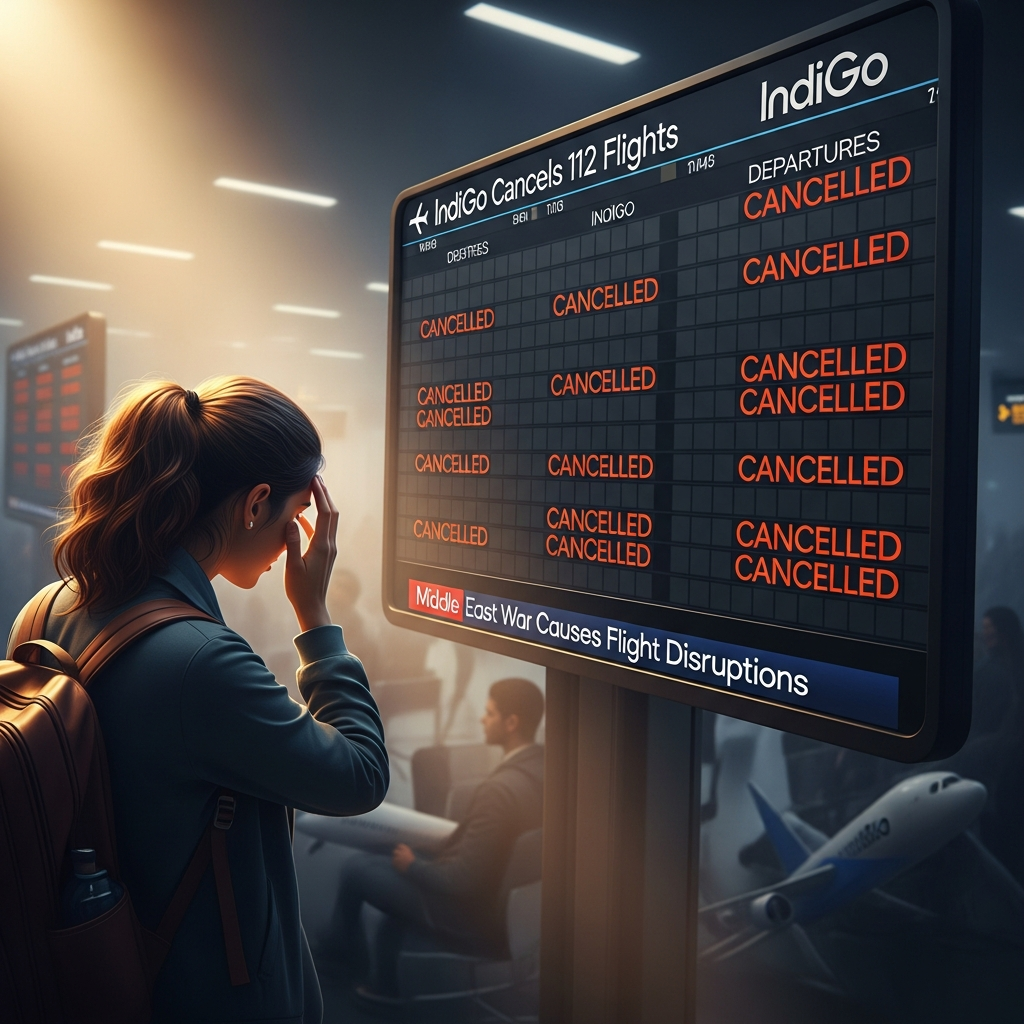
But fissures started to show up early. Do you remember the fight in the air on a trip from Delhi to New York last year? Or the long delays that made VIP cabins into places of frustration? Operational problems got worse. After the war in Ukraine, fuel prices went up by 30%, which cut into profits. IndiGo, Air India’s biggest competitor, took 65% of the market by keeping things simple. India’s Air? According to records, it lost ₹5,000 crore in FY2025 alone. Wilson pushed aggressively by recruiting 5,000 people and starting premium economy on long-haul flights, but detractors argue he overextended himself during the Vistara deal.
People who know him say that the CEO is stuck between his dreams and realities. “Wilson was the architect, but the blueprint hit snags,” says a former executive who spoke off the record. Tata hired people from all over the world, yet there were problems with culture. The vestiges of Indian bureaucracy meet the efficiency of Singapore. What do you do when Boeing’s quality problems keep your dream fleet on the ground?
Mergers, money, and missed goals are all part of restructuring headaches.
Air India’s problems with restructuring are more than just one person’s departure. The Tata Group today runs four airlines: Air India, Vistara (which will be fully merged in November 2024), Air India Express, and AIX Connect (which is expected to merge in the second quarter of 2026). This is the biggest merger in Indian aviation history, but things haven’t gone smoothly.
Important problems are clear. First, fleet problems: Only 25 of the 470 ordered jets have arrived by early 2026 because of problems with Boeing’s 737 MAX and delays with Airbus. That means Air India is flying old planes that are an average of 15 years old, which hurts their on-time record, which is only 71%, which is much lower than IndiGo’s 92% and the global average of 80%. Last fiscal year, losses reached ₹6,800 crore, and the company was in debt for ₹45,000 crore. Tata put in ₹3,500 crore in stock, but revenue growth stopped at 15% because of low-cost competitors like SpiceJet and Akasa Air.
Talent shortages are also a problem. Last year, Gulf carriers stole 1,200 pilots, which affected 20% of schedules. The government makes things worse by giving IndiGo an edge in contested slots at Delhi and Mumbai airports. According to IATA, the sector lost $15 billion over the world in 2025, but India’s growing middle class makes every delay feel personal.
Tata is not giving up. Chairman N. Chandrasekaran has intimated that there may be a new leader shortly, maybe someone from within the company like Vistara’s Delhi boss. Wilson’s leaving, on the other hand, shows how hard it is. Restructuring isn’t only about filling out paperwork; it’s also about 30,000 workers adjusting while dealing with unhappy customers.
Operational Issues: From the Cockpit to Customer Service
If you look closer, Air India’s operational problems show that the airline is trying to catch up. Safety is good—there haven’t been any serious problems since Tata took over—but reliability is still low. The cancellation rate is 3.2%, which is twice as high as IndiGo’s 1.1% and higher than the IATA average of 1.8%. Skytrax gives customer satisfaction three stars, which is one less than IndiGo’s four.
Everyone has to deal with bad weather, but Air India’s old IT makes it worse. The crash of Diwali bookings in 2024? Just complete anarchy. Last year, regulators fined the company twice because crew members were tired from long workloads. Premium upgrades like A350s tempt luxury, but delays ensure that business class still feels old. International flights to London and Frankfurt are full, although yields are 20% lower than Emirates. Air India Express is having trouble getting affordable seats in India, and in January, 500 employees had to take short-term furloughs because of mergers.
It’s relatable mayhem when the delayed Pune-Goa hop messes up family preparations. Wilson started “Project Sunrise” to improve tracking, but problems with vendors slowed it down. Will fixes stick now that he’s gone?
Wider Effects on India’s Goals for Aviation
The recent departure of Air India’s CEO ripples through the entire Indian economy, a fact that’s hard to ignore. The aviation sector, after all, contributes more than 5% to the nation’s GDP, with projections suggesting it could hit $50 billion by the year 2030.
Tata wanted to bring back the golden days of the 1990s, and now it employs 2% of the sector’s 500,000 workers.
Ram Mohan Naidu, the Minister of Aviation, wants HAL to send indigenous jets, but the delays continue. IndiGo’s intentions for an IPO put more pressure on them. Boeing’s problems around the world damage everyone, but Tata’s power helps.
For people flying to Pune or Mumbai, it means 12% higher fares and fewer choices. Vistara’s merger raised ratings by 15 points, which shows that it has potential.
What does this mean for you, the person who travels a lot? Short-term bumps, long-term gains?
Tata’s Next Chapter: Keeping the Ship Steady
Campbell Wilson’s departure is a turning point, not a catastrophe. Tata, who just won a lot of money from Maruti, knows how to make things better. A bridge CEO like Savio Mathews could help the merger of Air India Express by the middle of 2026. Focus: decrease costs by 20%, get 50 new planes, and fly nonstop to the US.
Last year, fuel hedging flops cost ₹1,200 crore; now competitors like revamped SpiceJet are coming up. But Tata’s $128 billion war chest buys runway.
Air India’s story is like India’s skies, from colonial times to the troubles of privatization. Building Wilson’s foundations is necessary. Will restructuring problems lead to domination or test Tata’s strength? Watches from Mumbai.
Campbell Wilson’s resignation as CEO of Air India shows that Tata’s aviation gamble is facing even bigger restructuring problems.