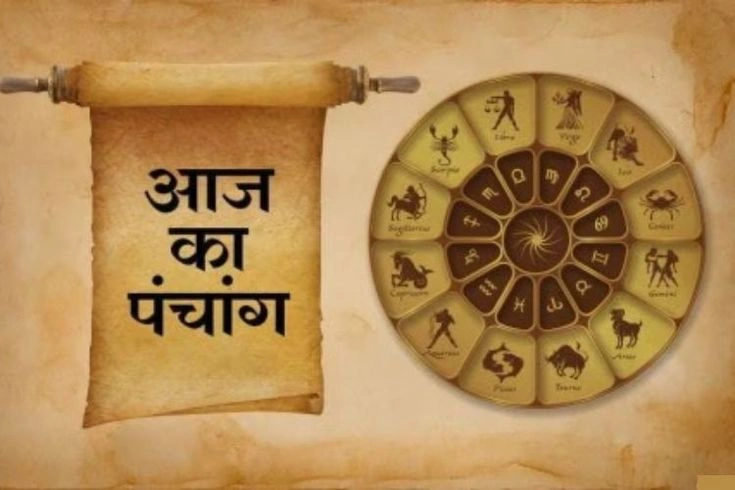
The Hindu Panchang for today represents a little but important spiritual point in the lunar cycle: Krishna Paksha Dwadashi beneath the Shatabhisha Nakshatra. Many people still schedule their marriages, trips, and even business decisions around tithi, nakshatra, and muhurat. This combination silently affects how rituals are done, how people pray, and even how they go about their daily lives. People who follow the Panchang say that today is not just another Tuesday; it is a special time for introspection, healing, and a careful approach to action.
What does “Krishna Paksha Dwadashi” mean?
The Hindu calendar divides a month into two parts: Shukla Paksha (the bright, waxing phase of the Moon) and Krishna Paksha (the dark, waning phase). There are 15 lunar days, or tithis, in each paksha, and Dwadashi is the twelfth. So, Krishna Paksha Dwadashi is the 12th tithi of the waning fortnight. It normally comes right before the new moon day (Amavasya).
Astrologically, Krishna Paksha is linked to letting go, looking inward, and cutting back. This phase is typically considered as a time to end cycles, let go of burdens, and eliminate karmic garbage, unlike the “build-up” energy of Shukla Paksha. Many traditional scriptures say that Dwadashi is connected to Lord Vishnu. It is seen as a tithi that helps with spiritual rituals, purification, and devotional activities instead of aggressive fresh starts.
This means a lot to people:
Instead of big, karma-laden ceremonies, focus on prayer, generosity (daan), and light rituals.
If you’re not sure what to do, don’t start a new business, build a house, or move to a new place unless a qualified astrologer tells you to.
If you’re asking yourself, “Is today a good day to start something big?” The classical Panchang-driven answer would be “no for bullish begins; yes for soft, spiritual, or corrective activities.”
Shatabhisha Nakshatra: healer, healer, or rebel?
Shatabhisha, the nakshatra of today, provides another depth of meaning. This nakshatra is the 24th of the 27 nakshatras. It falls in the late part of the Aquarius (Kumbha) sign and is linked to Varuna, the Vedic god of cosmic rivers, law, and hidden order.
Shatabhisha literally means “the hundred healers,” which is similar to the Vedic idea of a constellation of doctors who can heal both bodily and spiritual problems. This makes the nakshatra very linked to:
Healing and wellness, especially healing that is more subtle and psychological
Mysticism, occult knowledge, and “secret” sciences
Rituals involving water and purification, such giving water to rivers and lakes or washing yourself to please the gods.
In many modern astrological systems, Rahu rules Shatabhisha. This gives it a slightly rebellious, unconventional, or non-conformist energy. People who were born when Shatabhisha was active or who are under this nakshatra are typically described as curious, ambitious, and occasionally restless, with a strong desire to question norms and explore beneath the “official” story.
So, when Krishna Paksha Dwadashi and Shatabhisha meet, it feels like a gentle invitation to:
Instead of trying to impress, heal.
Take your time and think.
Think about the patterns, behaviors, and even some beliefs that might be keeping you from moving forward.
How many of us really stop and think, “What old habit am I ready to let go of this month?” instead than merely asking, “Is today lucky?” That is exactly the kind of self-reflection that Shatabhisha-infused Dwadashi softly pushes you to do.
Panchang picture for today: important times and tones
Based on the most recent Panchang data, today is Krishna Paksha Dwadashi, which is also known as Chaitra or Vaishakha in some parts of the world. The Shatabhisha Nakshatra will be active until about mid-afternoon, when the Moon will move into Purva Bhadrapada.
Here are some useful tips from today’s setup:
Tithi: Krishna Paksha Dwadashi starts early in the morning on April 14 and ends soon before midnight on April 15. This means that the whole day is based on this lunar day, which is better for spiritual seva, light puja, and acts of charity than for heavy, materialistic tasks.
Shatabhisha is active until about 4:05 PM, when Purva Bhadrapada takes over. So, rituals that focus on healing, water offerings, or meditation work best in the morning and early afternoon.
Rahukalam: Many Hindu calendars record Rahukalam for the afternoon, usually between 3:22 PM and 4:55 PM. During this time, people usually don’t start new work or travel. This is not a “curse,” but a warning that you should put off things that need to be done at a certain time if you can.
If you live in a metropolis like Pune, Delhi, or Mumbai, you could see that temples change their typical hours. For example, they would keep early-morning and late-evening slots for major pujas and skip important events in the middle of the afternoon.
Rituals and spiritual practices in the present
For those who follow the Panchang’s advice, Krishna Paksha Dwadashi under Shatabhisha gives the day a soft structure:
Worship and puja: Dwadashi is usually connected to Vishnu, thus many Hindus pray to Lord Vishnu, Lakshmi, or their family gods in a specific way. Simple gifts like flowers, tulsi leaves, water, and a sattvic dinner with thanks can be enough.
Giving to people in need, giving food or clothes, or even giving medicine or health-related products are all good examples of “healer” symbolism in Shatabhisha.
Water and purification: Giving water to rivers, lakes, or even at home shrines, with respect for Varuna-linked energy, can be quite important. Taking a thoughtful bath, drinking water with purpose, or completing a little meditation at night to let go can all make you feel more grounded.
Avoiding behaviors that cause a lot of stress: Many traditional practitioners avoid signing high-stakes contracts, commencing new construction, or going on long trips during Krishna Paksha Dwadashi, especially when nakshatras are more focused on looking inward than outside.
Today might be an excellent day to finally clean up that messy pantry, get rid of old, harmful digital data, or even stop a long, draining conversation that you’ve been having for a long time. Yes, in the terminology of Panchang-aligned living, because “letting go” is very much in the air nowadays.
Why this is important in India today
The Panchang used to be a religious text that people used to plan their daily lives. Now that smartphones can reveal moon phases and even Nakshatra with only a few touches, it has become a daily life-planning tool for millions of people in India. Before many households still check the tithi and nakshatra:
Setting a date for the wedding,
Picking a muhurat for a housewarming or
Choosing the right time to start a new employment or business.
At the same time, younger professionals in cities typically see Panchang times as more of a suggestion than a hard and fast rule. A bank employee in Pune might not put off a meeting just because Rahukalam is a few hours long in the afternoon, but they might still not want to launch a new project or sign a big contract during that time.
This mix of old and new is a compelling story in and of itself. How much do astro-cultural rhythms still affect how Indians make decisions, even when the paperwork is done on a laptop?
Global context: lunar days outside of India
The Hindu Panchang is based on Indian tradition, although the idea that lunar days affect how people act is not new. Lunar calendars were utilized by many ancient cultures, such as the Babylonians and the Mayans, to plan harvests, rites, and even wars. People all throughout the world use modern lunar calendars and “moon-phase” apps for things like gardening, skin care, and even organizing exercises.
From this point of view, Krishna Paksha Dwadashi under Shatabhisha is India’s unique manner of presenting a universal idea: some days just have a distinct “tone” of energy. The Panchang gives Hindus a way to deal with that tone instead of ignoring it.
How to get through this day without being superstitious
It’s totally fine if you don’t want to live your life by the Panchang. But if you want to know what today’s combination is “saying,” here are a few simple, non-superstitious methods to get involved:
Take some time to think about yourself: Look back on the last month. Did you work too much? Did you forget to take care of yourself, rest, or spend time with friends?
Put healing first: If you’ve been putting off a doctor’s visit, a therapy session, or even just taking a break from social media, the Dwadashi-Shatabhisha energy can be a sign to do so.
Do little things to let go: write down your fears, remove old disputes, or softly let go of a grudge you’ve been holding on to.
Respect tradition, but don’t be too strict. For example, if you’re in India and arranging a family function, it’s a good idea to check the Panchang for “no significant red lights.” But using it as a guide that can change, not a jail, keeps the practice alive and useful.
What today’s Panchang says about Krishna Paksha Dwadashi under Shatabhisha and why it matters