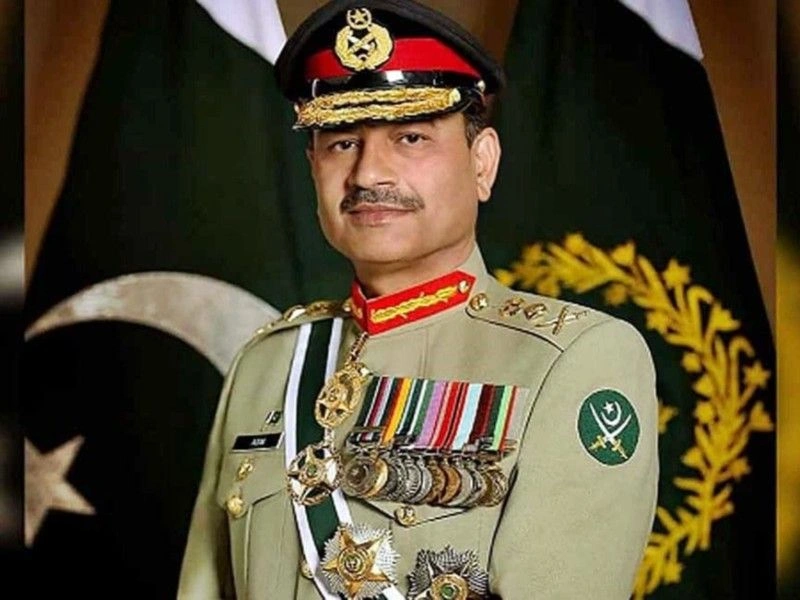
He was the first high-ranking foreign military officer to go to Iran since the war started. His trip to the capital of Iran is more than simply a nice visit; it demonstrates that Islamabad is trying to keep a delicate diplomatic channel open at a time when things are about to grow worse in the Middle East. Munir’s visit raises an important question: can Pakistan truly assist halt a war between Washington and Tehran? This is because missiles, drones, and airstrikes are still shocking the area.
Why is the timing important?
There is a reason why Munir’s trip is happening just now. It comes just a few days after a short break in talks between the US and Iran in Islamabad, and just as the deadline for that break is about to pass. Donald Trump, the president of the United States, has made it plain that talks could start up again shortly. Iranian officials have also made it clear that any new rounds of talks must focus on important issues like lifting sanctions and controlling the Strait of Hormuz. Pakistan, which has already hosted a series of high-level talks between Turkey, Egypt, and Saudi Arabia, has positioned itself as a neutral facilitator to send messages between Washington and Tehran.
The government of Pakistan, notably Prime Minister Shehbaz Sharif and Foreign Minister Ishaq Dar, has been secretly engaging with Malaysia, Turkey, and Jordan to push for moderation and conversation. In this situation, the next step is for the army leader to go to Tehran. It’s not just to talk about what Pakistan is worried about; it’s also to see if Iran is still willing to go through the door that Islamabad has been trying to keep open.
Islamabad’s Changing Role as a Middleman
Pakistan has stepped in as a mediator in the US-Iran dispute, which is one of the most startling moves in Middle Eastern diplomacy in the last few months. For a long time, the US has seen Pakistan as a key military ally. However, Pakistan has also kept more practical ties with Iran and other countries in the region. This makes it a strange mix of trustworthiness and access. This dual alignment has turned Islamabad into a kind of “bridge diplomacy,” where it can listen to Washington’s security worries and also tell the world what Tehran wants most.
In the last several weeks, Pakistan has had a lot of talks with its own leaders and high-ranking officials from Turkey, Egypt, and the Gulf states. The goal of these talks has been to come up with a plan for lowering tensions that includes more than one country. These discussions aren’t simply for show; they’re about what diplomats term a “off-ramp” for the conflict. This involves coming up with ways to suspend air strikes, ease tensions at sea around the Strait of Hormuz, and slowly build a framework for a true peace process. Pakistan has also done some good things, such letting oil tankers fly Pakistani flags as they go through the Strait of Hormuz and making it easier for Iran to trade with Pakistan for a short time. These steps help keep energy flows steady in the area and calm down world markets.
What Pakistan Has to Give
Why would Washington and Tehran, two countries that don’t trust one other very much, let Pakistan act as a go-between? One factor is geography: Pakistan is at the crossroads of South Asia, Central Asia, and the Middle East, and it has a long, sensitive border with Iran. This makes it an ideal area to create trust. Another reason is that Pakistan’s security policy is not one-size-fits-all. For decades, the US has helped it with military and intelligence, but it has also made friends with Iran, China, and Gulf states. This makes it impossible to see Pakistan as just a tool for one power.
Pakistan’s military leadership has long been proud of its “strategic depth” approach, which puts stability in the area ahead of direct war. That tactic has made the army more important in diplomatic concerns as the war goes on, especially with Munir’s recent shuttle diplomacy. The fact that the chief of the Pakistani army is leading these negotiations instead of having civilian diplomats handle them demonstrates how seriously Islamabad considers the chance that things could get out of hand.
Iran’s Point of View and Important Lines in the Sand
Tehran thinks that Pakistan’s mediation is important, but it also knows when to stop. Iranian leaders have stressed many times that any peace process that lasts must start with the full easing of sanctions and real guarantees that Iran has the right to control critical maritime chokepoints like the Strait of Hormuz. Pakistan offered Iran a 15-point US plan that includes limits on missile development and better nuclear monitoring. However, Tehran has pushed back, saying it can’t accept moves that would permanently limit its strategic freedom.
During recent high-level talks in Islamabad, Iran is alleged to have presented Pakistan a 10-point plan. The suggestion said that Washington should relax sanctions, respect Iran’s sovereignty, and make sure it doesn’t want to change the system. Pakistan’s responsibility is to make these requests clear to Washington without making them sound impossible. It’s a tough balance: if US officials pay too much attention to Iran’s security worries, they might get terrified, but if they don’t pay enough attention to them, Tehran might get more aggressive.
What it means for the area and the world
Pakistan’s involvement as a mediator has ramifications that go well beyond the Middle East. The US-Iran war has already fouled up energy markets, made shipping costs sky-high, and made it more likely that the war will expand to other countries in the region, such Iraq, Syria, and Yemen. India is one of the countries that doesn’t have enough energy. If there is long-term instability near the Strait of Hormuz, it is more probable that oil prices will go up and supplies would be hard to get. This has a direct effect on inflation and the balance of payments.
Changes in the global oil and gas markets also affect Pakistan’s economy. Its officials recognize that a long war would hurt their budget and trade with crucial partners on both sides of the fight. Pakistan is seeking to insulate itself from the worst potential outcomes by serving as a go-between. It wants to stop a full-scale regional war that could extend to other countries, and it also wants to show the world that it can help keep things stable even when things are really tense.
Questions and Problems
There is still a lot of pessimism about whether Pakistan’s efforts can bring about a lasting peace, even with all the diplomatic engagement. When either side starts attacking again, discussions have always failed in the past. Washington and Tehran have had ideological and geopolitical problems for a long time that are hard to fix by shuttle diplomacy. The US has long been wary of any country in the region that gets too close to Iran. Some people are apprehensive that the US would see Pakistan’s role as a mediator as an indication that the US is becoming less stringent about its alliances.
Iran might also think that Pakistan is working too closely with the US to curb Iran’s might. Tehran might not be able to accept ideas that seem to come from Pakistan instead of direct talks between the US and Iran because of this point of view. In this case, Munir’s trip to Tehran is just as much about making deals as it is about how people see things.
Field Marshal Asim Munir, Pakistan’s Chief of Army Staff, went to Tehran this week on an important diplomatic trip.