Temperatures have gone above 43C with no end in sight and millions of people in northern and central India are facing one of the worst heatwaves in recent memory.
IMD Issues Red Alert For 7+ States, Max Temp Recorded At 43°C+.
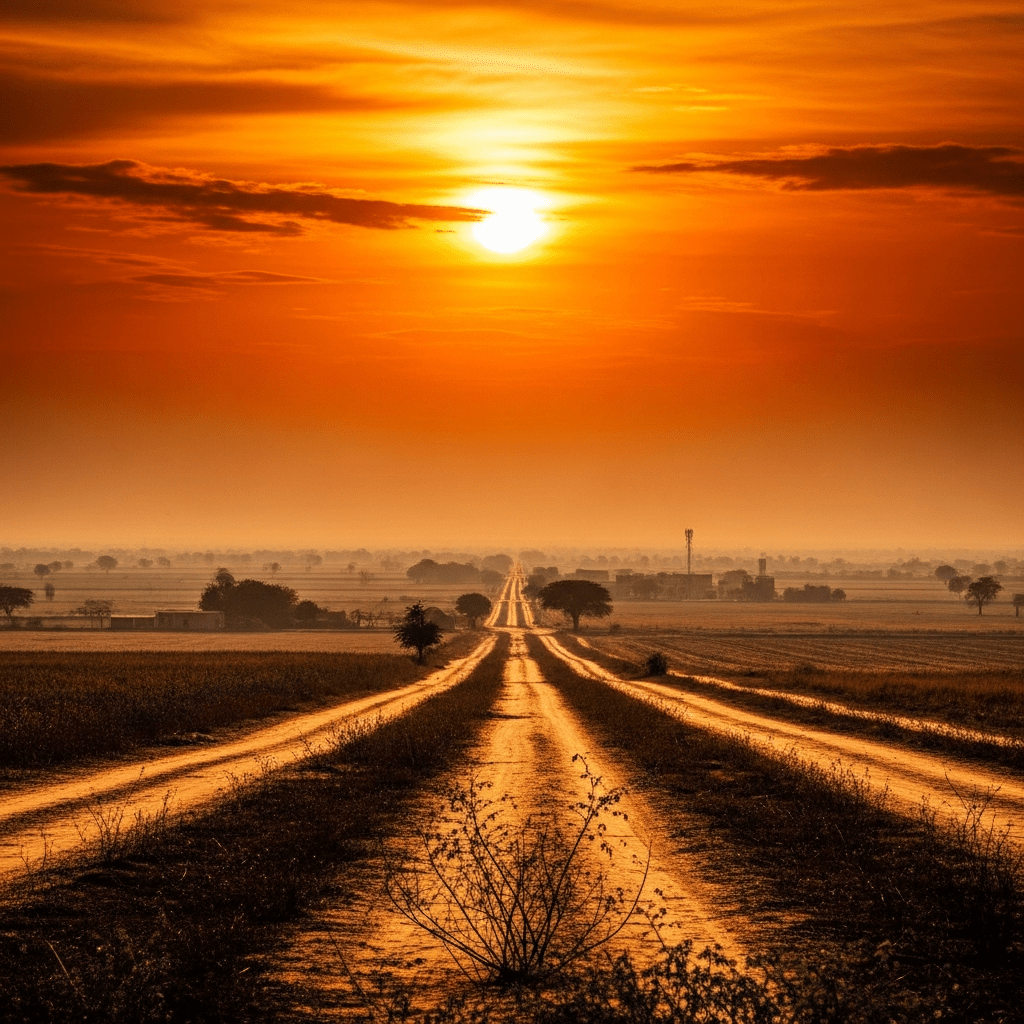
Walk out right now in Delhi, Rajasthan or Madhya Pradesh and you will feel it at once – a wall of heat that seems to have weight. The air ripples off the asphalt and the street vendors have retreated into pockets of shade. The midday streets which are normally alive with the hustle and bustle of daily life are eerily silent. India’s heatwave is here and it’s here in unusual intensity this year.
The India Meteorological Department (IMD) has issued a strong warning that temperatures are expected to cross 43°C across many northern and central states in the coming days. These extreme temperature numbers are more than just numbers; they translate into real suffering by humans, especially those working outside, the elderly, children and those without access to cooling.This is not only hot weather anymore. “It is a public health event that needs the same urgency we put to any natural disaster.”
Heat rising, risk rising
The terrifying aspect of this India heatwave is the high temperature coupled with rising humidity. The body can cool itself by sweating when it is dry and hot. But when the humidity rises with the mercury, that natural mechanism breaks down. This creates a “feels like” temperature that the body cannot cool down sufficiently and that can significantly increase the risk for heat exhaustion and heatstroke.
Doctors at Rajasthan and Uttar Pradesh government hospitals have already reported an increase in admissions related to heat — dizziness, dehydration and in severe cases heatstroke. Public health officials have started sending mobile medical units into vulnerable communities, but resources are stretched and patient numbers are swelling, putting the system to the test.
Water shortages add to the crisis.
In addition to the health emergency, authorities are facing severe water shortages in some areas. Demand surges are draining reservoirs that were already low due to an uneven monsoon season. The hot weather is causing farmers to lose standing crops, which could threaten food security in the short term. The combined pressures of water scarcity and crop damage could have ripple effects far beyond the summer months.
Complaints over erratic water supply have become louder in the cities. Tankers and community water points have become congestion hotspots with queues starting to form early in the day, before the peak of the day’s heat. For the urban poor — those who live in tin-roofed settlements with no insulation and no air conditioning — every hour of this heat wave is a test of endurance.
The Climate Context
This is not happening in a vacuum. For years, scientists and climate researchers have been saying the same thing: South Asia is one of the most vulnerable regions in the world to the impacts of a warming planet. Over the last two decades, India has seen a marked increase in the frequency, duration and intensity of heatwaves. What was once a seasonal inconvenience is now morphing into a recurring climate crisis, putting pressure on infrastructure, public health systems and the ability of communities with the least capacity to adapt to cope.
The IMD alert represents a formal acknowledgement of what many Indians are already witnessing in their daily lives. Now policymakers are being urged to do more than deal with individual heatwave events – to see this as a long-term pattern that requires structural investment in cooling infrastructure, urban greening, early warning systems and community preparedness.
Safety First – Take Precautions
Avoid direct sun from 11 a.m. to 4 p.m.
Drink plenty of water – at least 8-10 glasses a day
When outdoors, cover up with loose, light-coloured cotton clothing
Keep an eye on elderly neighbors and vulnerable family members
Seek shade or air-conditioned spaces during hot spells
Look out for symptoms of heatstroke such as confusion, high body temperature and dry skin
A Call to Action
But for now the immediate thing is to keep people safe. Authorities have opened cooling centers in schools and community halls in the affected districts. Public service announcements are encouraging people to drink water, stay inside and avoid strenuous activity during the hottest part of the day. The IMD is closely monitoring the atmospheric conditions and further forecasts are expected in the next few days.
India has experienced heatwaves before – and its people have shown remarkable resilience each time. But as this weather update shows, resilience is no longer enough. Adaptation and investment and a serious national conversation about climate change are no longer nice-to-haves – they are essential for survival.