More than just a headline, extreme weather is changing lives, economies and futures. From blazing heatwaves in India to deadly floods in Europe to wildfires throughout Australia, 2026 has already witnessed an increase in such catastrophes that scientists say are directly connected to human-driven climate change. With the planet heating up, the question is urgent: Are we finally ready to act or will we keep responding too late?
Already, weather calamities have displaced millions and caused billions of dollars in damage in the first four months of this year alone. India’s own cyclones and droughts reveal a cruel truth—climate change is not a faraway threat; it is here, hitting hardest where people are least prepared. Here, we dig into the surge, its science, its toll and what may lay ahead.
The Spike in Extreme Events: A Year of Rage
A quick glance back to 2026 thus far. In February, Cyclone Burevi made a vicious landfall in the Indian state of Tamil Nadu with gusts exceeding 150 km/hr and flooding that inundated the fringes of the city of Chennai. Then just weeks later sections of the US Midwest were besieged by an unusual cold wave that saw records shattered with temperatures plunging to -40C. Then came the terrible floods in Europe at the end of March, when rivers such as the Danube flooded, killing more than 50 people and stranding thousands.
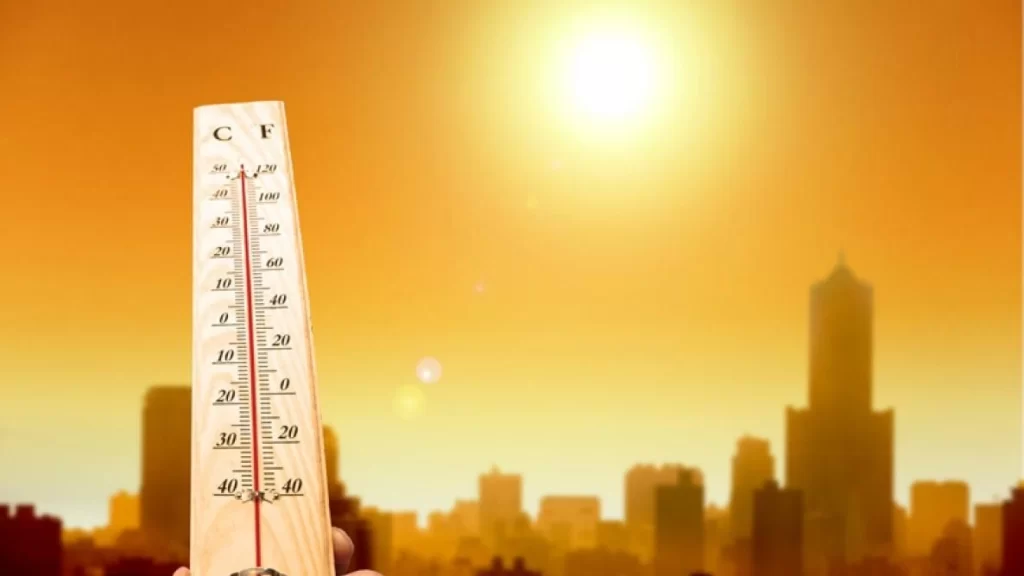
Heatwaves: India (Rajasthan over 50°C) and Spain – record-breaking.
Floods: Brazil’s Worst Floods in Decades; Precursors to Pakistan’s Monsoon Strike Early.
Drought: East Africa at risk of famine. California wildfires flare early.
These are no isolated flukes. The World Meteorological Organization reports that the occurrence of extreme weather events has risen 30% over the average for the 2010s. Now what? The greenhouse gases are rising , trapping heat , and supercharging the atmosphere . When the air gets warmer, it can contain more moisture – around 7 percent more for each degree Celsius of warming – leading to more intense showers and storms. Ocean temperatures have gone up 0.5°C since 2020, which sets the stage for hurricanes and cyclones to be more intense.
The change seems personal in India, home to 1.4 billion people who battle monsoons that nourish agriculture. Last year, farmers lost ₹50,000 crore due to delayed rains. This year? The early heat killed hundreds in labor-intensive areas like construction. This is a pattern. Extreme days have gone up by 20% since 2000, says the India Meteorological Department.
The Science of the Madness
It’s physics meets human excess at its root. Climate change makes the volatile more volatile. Think of it as an over-loaded circuit, where a tiny bit of input might cause a huge rupture.
CO2 has reached 420 parts per million, the most in 800,000 years, caused by burning fossil fuels, deforestation and industrialization. This increased heat pushes jet streams off course, creating “blocked” weather patterns. One section is under a heat dome, another sees a polar vortex plunge south.
Storm surges are worsened by rising sea levels (4 mm/year). Cyclones now often swamp Mumbai’s slums at high tide. Asia’s water tower, the Himalayan glaciers, are melting at double the global average endangering rivers that sustain 2 billion people.
But it’s not all doom stats. Models from the IPCC’s recent assessments suggest that limiting warming to 1.5°C might reduce the frequency of these occurrences by half. We are at 1.2°C presently and every tenth of a degree matters. What does this mean for your city? If emissions are not lowered, by the 2040s, summers in Delhi might routinely reach 48 degrees Celsius.
The Human Cost Lives Torn Apart, Economies Scratched
The figures really come home when you see the faces. In April, floods in Bangladesh displaced 2 million people, many losing homes built on hazardous deltas. Villages and livelihoods destroyed by consecutive landslides in Kerala, India.
Economically astonishing. Global insurance losses from weather disasters reached US$150 billion last year; forecasts for 2026 are even higher. Estimates from the government say events in 2025 alone reduced India’s GDP by 1.5%. Imagine food inflation at 8% due to crop failures.
The vulnerable carry the burden:
Maharashtra drought belt farmers switch to water-guzzling crops as rains go haywire.
Urban poor in megacities like Bengaluru, where flash floods turn streets into rivers.
Women & Children account for 80% of catastrophe displaced UN says
Health effects also persist. Heatwaves cause spikes in heart attacks and floods create conditions for diseases like dengue, with cases up 40% in India this year. Mental toll? PTSD rates spike after a disaster. So does the demand for help.
Ever wonder how the decisions you make each day ripple into this? That flight to Goa or AC cranked high, tiny things yet multiplied by billions they add up.
India in the Limelight: A Battleground in the War on Climate Change
India’s narrative is a microcosm of the global catastrophe. It’s the heart of climate whiplash, monsoon-dependent, with 600 million in rural areas. Himachal Pradesh floods, 2023: 500 deaths, roads worth ₹10,000 crore wiped out. This year’s early cyclone season bodes something worse.
But adaptation provides promise. India added 20 GW of solar capacity in 2025, supported by the National Action Plan on Climate Change of the government. The Jal Jeevan Mission and other such schemes seek to make villages drought-proof with piped water. Cities try to soak up floods: Pune’s green roofs, Chennai’s sponge parks
But challenges persist. 70% of energy comes from coal. Transition entails jobs for 10 million people in thermal plants But young movements such as Fridays for Future India chapters want faster changes. PM Modi’s goals at COP30 — net zero by 2070 — demonstrate intent, while experts urge tripling renewables immediately
And the analogies are drawn worldwide. Australia’s 2025 wildfires burnt 2 million hectares. It’s Black Summer all over again. Amazon droughts endanger Brazil’s ‘lungs of the Earth’. Rich countries, the big historical emitters, promised $100 billion a year in aid – but they’re only delivering 60% of it.
Voices from the Earth: Stories That Last
This is Rajesh Kumar, a farmer in Punjab who has had three failed monsoons in five years. “We planted wheat; the rains never arrived. Now debt is choking us,” he adds from his parched field. Answers? Drip irrigation has helped neighbors, but the upfront expenditures prevent many.
Relocation looms for 120,000 in Kiribati as Pacific oceans rise. “These atolls are part of our culture,” President Taneti Maamau said. “Climate refugees? We are there already.
These stories bring data to life. They remind us: Extreme weather doesn’t care about your passport, it cares about your readiness.
The Way Forward: Adaptation, Mitigation, and Hope
Grit may change the tides. First, mitigate. Cut emissions. Renewables accounted for 35% of worldwide power in 2025; India aims for 50% by 2030. Electric vehicles flourish – Ola and Tata sold 1.5 million units domestically last year.
Resilience is built through adaptation:
Early warning techniques such as India’s nowcasting applications cut cyclone mortality in half.
Mangroves restore along coastal cushion surges.
30 million farmers benefit from crop insurance plans.
Technology is a help, too. AI predicts floods hours ahead; satellite data monitors deforestation. International agreements such as the Paris Agreement are pushing responsibility as China’s emissions peak looms and the EU advances its net zero objectives.
But politics trap progress. “US elections coming up; oil subsidies still in place. What if India gets tech transfers free of conditions like other poor countries? Could it release billions of dollars in green investment?
People are important. Cut off meat once a week – methane goes down. Vote for leaders who get climate. Plant trees, Pune urban woodlands chill streets by 2°C
Climate Alarm: How Extreme Weather Is Forcing the World to Face Hard Truths