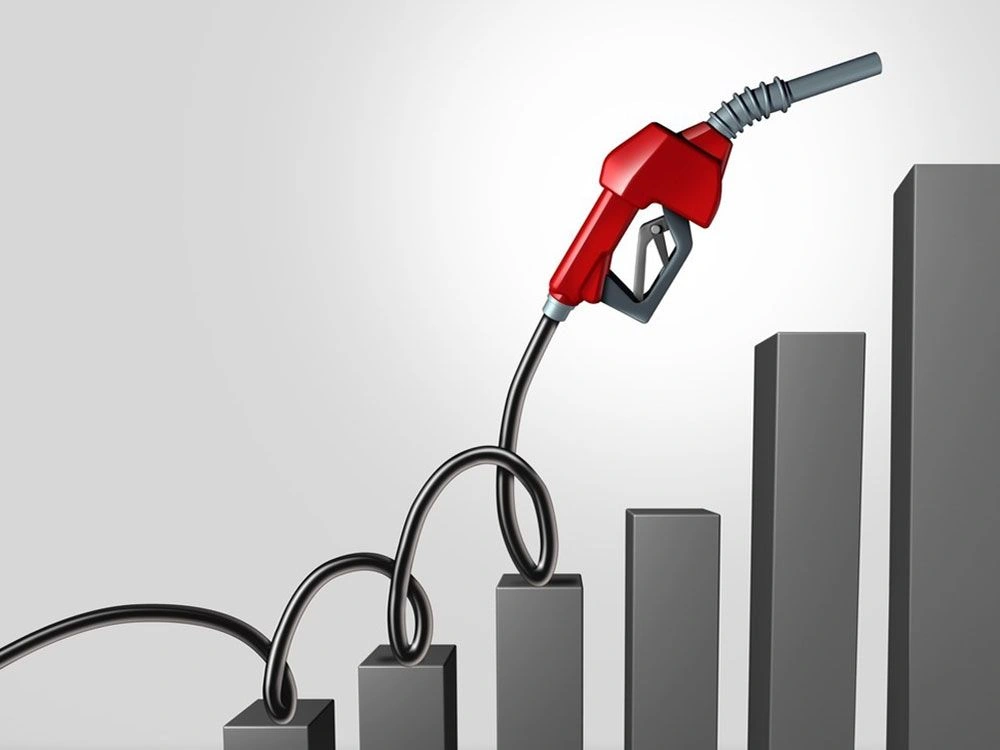
Australia’s inflation rate has rapidly surged to 4.6% in the year to March 2026, the highest in recent quarters, partly driven by surging petrol and diesel prices linked to escalating hostilities in the Middle East. The jump comes after months of relative stability and catches people and policymakers by surprise as everyday expenditures creep up.
Why inflation soared so high
New data from the Australian Bureau of Statistics reveals the Consumer Price Index (CPI) has increased to 4.6 per cent year-on-year through March, up from 3.7 per cent in February. Fuel was the biggest mover with transport-related costs soaring on the back of global oil turmoil. A cooling trend earlier in year has rapidly reversed.
Headline inflation sometimes moves with volatile things like energy, but this time it’s hitting hard. Petrol prices in the big cities have risen to a national average of roughly 192cpl for unleaded, still over 11cpl more than late February, with diesel significantly higher at around 276cpl. These are not simply pump numbers. These are rippling through groceries, travel and more.
Fuel Surge: Middle East Mayhem to Blame
And the root cause? Tensions in the Middle East are rising, especially in Iran and the Strait of Hormuz, a bottleneck through which nearly 20% of the world’s oil passes. By late February, U.S. and Israeli moves against Iran increased, with worries of blockades and supply disruptions causing world oil prices to skyrocket. Australian retailers responded to panic purchasing and hoarding by raising prices even faster than the customary 14-day lag.
Mining heartland Western Australia faces operations being crippled by diesel shortages with trucks parked and exports delayed. Treasurer Jim Chalmers has issued a warning that a crisis on par with the Global Financial Crisis might be looming if supplies tighten further. Years of underinvestment aren’t helping with infrastructure difficulties, although government fuel swaps are being discussed with Japan and others.
Key fuel consequences at a glance:
Unleaded Petrol: +11.2c/L since 28 Feb (avg 192c/L)
Diesel: +89.4 cents a litre (average 275.8c a litre).
Grocery ripple: Expect 5-10% hikes on transport-heavy commodities like seafood, produce
Households feel it each day – lengthier lineups at the stations, spending constraints in some places. One Sydney driver told local media it was like “the world stopped at every bowser”. How long can Australians keep filling up their tanks without cutting back elsewhere?
Overall Economic Impact
And this is not limited to fuel. Housing prices, already up 7.2% year-on-year in February, continue to put pressure on the index alongside food (3.1%) and entertainment (4.1%). But energy is the wildcard, sending headline CPI higher while trimmed mean – the RBA’s preferred core metric – stays at 3.3%.
Consumer confidence is softening. Inflation predictions in the ANZ-Roy Morgan survey rose to 6.6% in late April, the highest since late 2022, from 5.9% earlier in the month. And people worry costs won’t fall very soon, especially with conflict continuing on. Businesses are passing on costs from transportation firms to retailers threatening a wage-price spiral.
The same trend is happening internationally. Demand for EVs is surging in Vietnam and elsewhere as petrol alternatives. But in Australia, dependence on imports makes it acute. India likewise is looking intently; as a fellow oil importer, any protracted Hormuz troubles could boost their fuel expenses, thereby harming Aussie exports like coal.
Hard Place for RBA
The Reserve Bank of Australia (RBA) is in a mess. It raised rates twice this year, by 25 basis points in February and March to 3.85%, to rein in inflation that dropped briefly but resurfaced mid-2025. Now with energy shocks, estimates are for CPI to hit 6% if tensions linger.
Deputy Governor Andrew Hauser said the background was “challenging”, with inflation not returning to the 2-3% objective until mid-2027 at the earliest. Cut rates? Not on the table right now but markets see additional hikes possible. RBA Governor Michele Bullock has highlighted the importance of maintaining inflation low and stable, saying excessive prices impact everyone.
But the risk in raising despite decreasing GDP is stagflation – high inflation, low expansion. Westpac economists said energy may lift CPI by 1-1.5 points in a worst-case three-month disruption. Policy makers have to strike a balance without slipping into recession.
Everyday Pain Points of Aussies
It is real for families. A Melbourne mother might now be spending $100 a week on fuel – $20 more than last year. Small businesses, such as delivery services, crunch the figures every night. Similar oil issues in Pune, India, a popular outsourcing destination for Aussie firms, mean greater logistics costs that could hamper commerce.The user context is implied.
Young renters, feeling the pinch already from 6.5% housing inflation, cut back on going out. Seniors with fixed incomes avoid driving. So what does this mean for your next supermarket run or road trip? Many are looking at EVs, with sales soaring as running costs beat fuel.
The Indian Angle and Global Ties
Australia’s difficulties echo internationally. The Iran crisis interrupts not only oil but shipping lanes, affecting exporters such as Australia significantly. Oz as a leading LNG supplier gets a bit of a boost from rising energy prices but domestic inflation bites back.
The Aussie dollar is under pressure, as is the rupee on import bills, as India’s economy booms and need for oil soars. If fuel remains expensive, bilateral commerce in commodities could stall. Both countries pushing renewables, but near term it’s misery.
And the questions persist: Will it de-escalate? Or is this the dawn of a new age of volatile energy?
Future Directions: Pathways to Stability
4.6% inflation is a concern, but trimmed mean consistency gives promise – core pressures are not exploding. 6.6% keeps pressure on RBA might stop increases if oil settles Households may plan better: carpooling, EV incentives, less waste.
No hoarding, government eyes fuel reserves, swaps Local refining and renewables reduce import concerns in the long term. Expect higher expenses for now, but history indicates these shocks pass with clever policy.
Australia’s resilience Families change; businesses innovate. But with pumps still pricey, one has to ask: how much more before true change hits the road? Handling this fuel-inflation nexus could do the economy good, but it tests resolve.
Australia inflation leaps to 4.6% as fuel prices surge in global tensions