
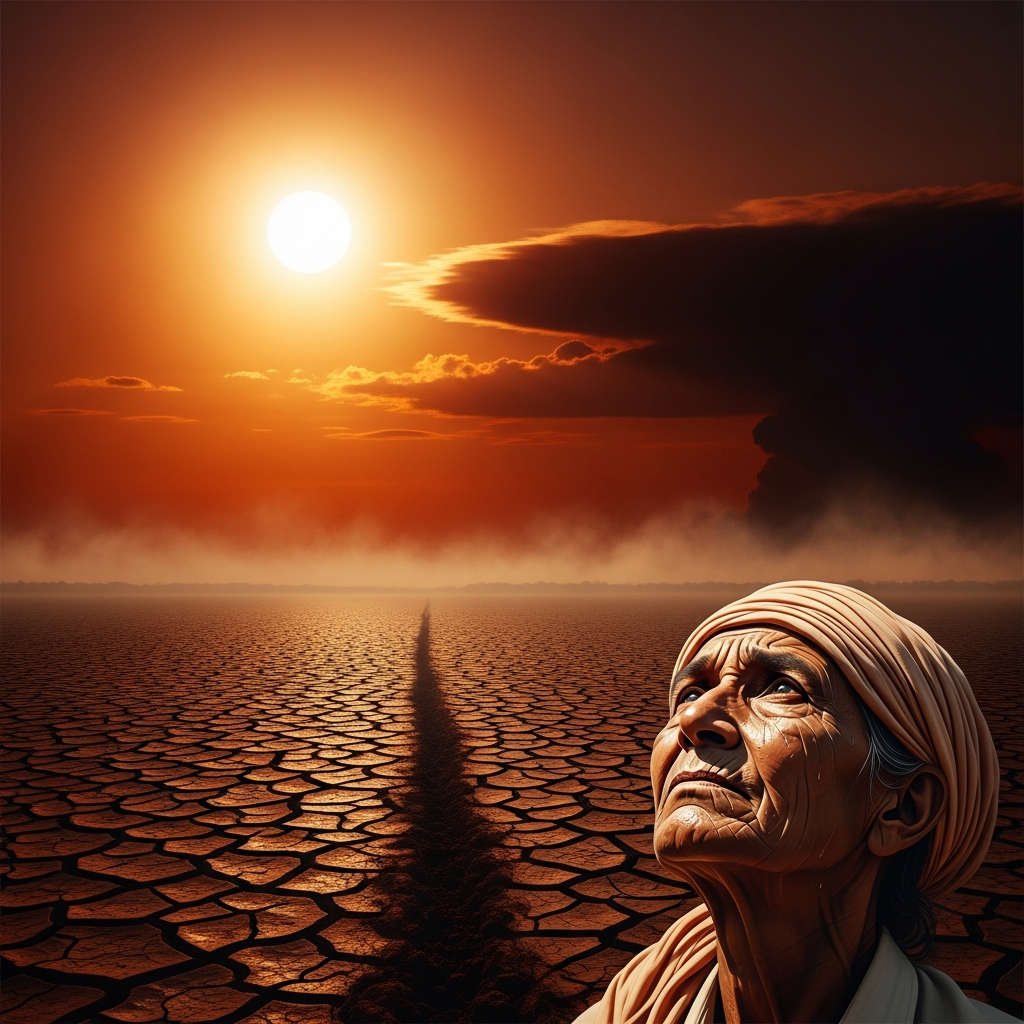
Step outside in most parts of India right now, and the heat hits you like a wall. Not the gentle warmth of a sunny afternoon, but something more relentless — the kind that radiates up from the road, bakes through windows, and lingers long after the sun dips below the horizon. Across Rajasthan, Uttar Pradesh, Maharashtra, Odisha, and several other states, temperatures have been soaring well past 42°C, pushing people indoors, straining the power grid, and quietly wearing down the most vulnerable — the elderly, daily wage workers, and children.
India has known heat. It always has. But what’s happening in 2026 feels different, and for good reason.
More Than Just a Hot Summer
The India Meteorological Department (IMD) has flagged something that should concern every Indian household, farmer, and policymaker: El Niño conditions may return by mid-2026. If that forecast holds, it won’t just mean more sweltering afternoons — it could mean a significantly weakened monsoon season, the very lifeline that a billion people depend on.
The monsoon forecast for 2026 is already being watched with unusual anxiety. After years of erratic rainfall patterns, another El Niño-driven disruption could ripple across the agricultural sector, water reservoirs, and public health systems in ways that are difficult to overstate. India’s farmers — particularly in rain-fed regions of Vidarbha, Bundelkhand, and parts of Bihar — are acutely aware of what a bad monsoon means: failed crops, mounting debts, and a summer that never really ends.
The Human Cost Nobody Tallies Completely
The numbers that emerge from heatwave seasons often feel abstract. Record temperatures. Advisories issued. Hospitals on alert. But behind those headlines are real stories — a construction worker in Nagpur pushing through a twelve-hour shift because he cannot afford to stay home, a grandmother in a cramped Delhi apartment with no cooler, a schoolgirl fainting on her way to a morning exam.
Heatstroke, dehydration, and heat exhaustion cases spike every year during April and May. But the India heatwave 2026 season has arrived earlier and with greater intensity. Health authorities have urged people to avoid outdoor exposure between 11 AM and 4 PM, stay hydrated, and watch for warning signs — advice that is practical for some and simply impossible for others whose livelihoods keep them in the sun.
The climate crisis in India isn’t an abstract future threat. It is playing out right now, in hospitals and fields and city pavements.
What El Niño Actually Means for India
El Niño — the periodic warming of surface waters in the central and eastern Pacific — has a well-documented relationship with India’s rainfall. When El Niño strengthens, it typically suppresses the southwest monsoon, reducing rainfall across large swaths of the country. The 2023 El Niño event, for instance, contributed to below-normal monsoon rainfall in several key agricultural states.
If El Niño returns to moderate or strong intensity by mid-2026 as some models suggest, the consequences could include reduced Kharif crop yields, lower water levels in major reservoirs including those feeding Cauvery and Krishna basins, and heightened risk of drought conditions in central and peninsular India.
For a country where agriculture still employs nearly half the workforce and where food prices are politically sensitive, a poor monsoon is never just a weather event. It is an economic and social crisis waiting to unfold.
The IMD Warning and What It Asks of Us
The IMD has been increasingly precise and proactive in its climate communications. The IMD warning issued this season is not alarmist — it is a call for preparation. State governments have been advised to activate heat action plans, ensure availability of oral rehydration salts at health centres, open cooling shelters in urban areas, and coordinate with agricultural departments on contingency crop planning.
But warnings only work if they are heard and acted upon. And in a country as large and administratively complex as India, the distance between an advisory issued in Delhi and a farmer making planting decisions in rural Chhattisgarh can be enormous.
Living With an Uncertain Climate
What this season is forcing India to confront, perhaps more plainly than ever before, is that climate variability is no longer a background condition — it is the main event. The monsoon forecast matters more than most quarterly economic reports. A single heatwave can undo months of agricultural planning. El Niño India dynamics can shift food security for hundreds of millions.
Adaptation is not optional anymore. It means investing in heat-resistant crop varieties, expanding weather insurance for farmers, building shade infrastructure in cities, and rethinking how water is stored and distributed when rain becomes unpredictable.
India has survived brutal summers before. It has pulled through droughts and floods with a resilience that is, genuinely, remarkable. But resilience has limits, and those limits are being tested every season now, a little more than before.
The sky, for now, is cloudless and blazing. Whether the clouds return — and how much they bring — is a question that the entire nation is watching.

