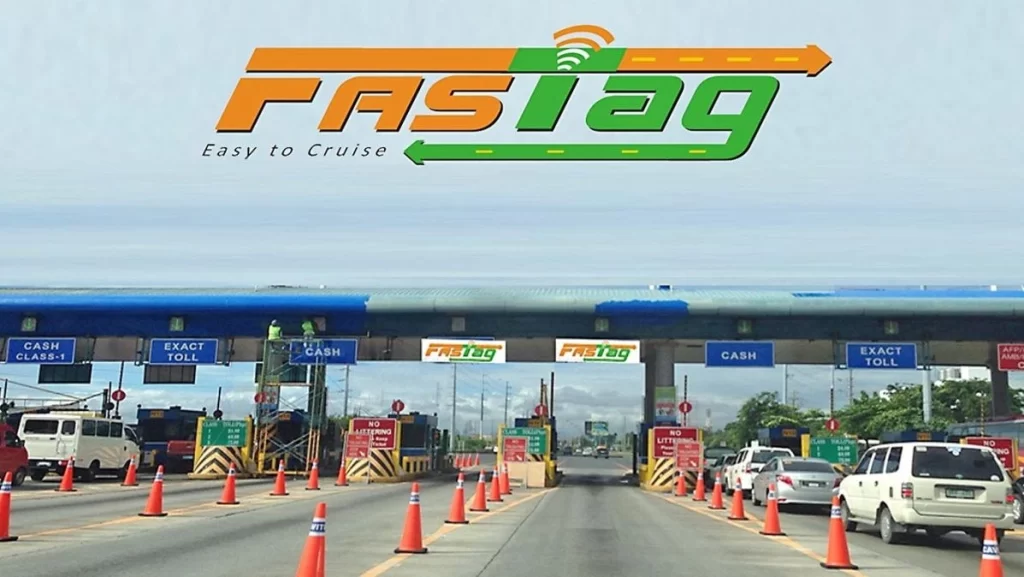
India has silently entered a new era of highway travel. The country’s first Multi-Lane Free Flow (MLFF) barrier-less tolling system has been commissioned at the Chorayasi toll plaza on the Surat-Bharuch stretch on National Highway-48 near Surat. No more stop and go lanes, towering barricades and lines that stretch back hundreds of meters. Instead, a stealthy network of AI cameras, radio frequency sensors and digital wallets works out and deducts the toll owed as cars zip through at highway speeds.
This is not simply another tech improvement. It’s an intentional transformation in the way India manages mobility, logistics, pollution and digital governance – all together. For a country which has moved from mostly cash-based toll plazas to ubiquitous FASTag-enabled booths in just over a decade, the shift to MLFF-based, barrier-free tolling is a generational leap to a seamless, e-fueled highway environment.
But what is changing under the hood of the overhead gantries? And how will this change the day-to-day experience of Indian drivers, truckers and freight operators?
What is Barrier-Free MLFF Tolling?
The primary principle of Multi-Lane Free Flow (MLFF) is simple: remove the physical requirement to stop at a toll plaza. Instead of boom barriers blocking lanes, vehicles have to pass under overhead gantries with sensors, cameras and radio-frequency readers.
The system at the Chorayasi plaza on NH-48 employs a mix of technologies:
Automatic Number Plate Recognition (ANPR) cameras, which scan registration numbers in real-time.
RFID-based FASTag readers that read data from the windshield tag linked to a prepaid digital wallet.
AI-powered analytics that check vehicle type, size and route to determine the correct toll class and toll amount.
The toll is automatically debited from the FASTag connected account once the system identifies the vehicle and its class. If the tag is absent or invalid, the system will rely on the number-plate image and potentially trigger follow-up charging or penalties through digital channels.
In practice, trucks and commuters can pass through the toll zone at 80-100 kmph without slowing down, waving to an operator or even gazing at a digital display.
Is this a trick of convenience or will this transform the way India transports commodities and people?
How AI & FASTag Make It Work
The brilliance of MLFF is in the silent orchestration between three pieces of infrastructure: payment, identification and data.
FASTag as backbone The introduction of the radio-frequency identification tag, FASTag, several years ago has already assisted in the reduction of cash processing and long lineups at toll plazas. FASTag is the major payment engine for MLFF. As the car passes underneath, the gantry-mounted RFID scanners identify the tag, access account information and charge the toll immediately.
AI-based analytics and ANPR cameras
High resolution cameras are used to take pictures of the registration plate of the vehicle and often other visual features such as the number of axles and the height. Then AI algorithms classify the vehicle into groups such as two-wheeler, car, bus or big truck, each with a tariff.
This system of dual FASTag and ANPR is a check and balance. If the tag data and the number-plate data do not match, the system flags the transaction for additional assessment, eliminating both evasion and errors.
Centralised records and monitoring
Each transaction is registered into a central computer, enabling authorities to track toll revenue, vehicle movement trends and even enforcement measures for non-payment. This digital trail also adds to openness, with any disparities being examined and answers being automated — be it by email, SMS or app notifications — rather than manual notices.
From the user’s point of view the interface is essentially invisible: there are no buttons to push, no currency to exchange, no lane to select. The technology just “knows” the vehicle is passing by and charges appropriately.
Why is India doing this now
The launch of MLFF is not by chance. India’s National Highway network has increased significantly in the last decade, with more than 46,000 km of four-lane and greater capacity roads and more than 2,500 km of high-speed corridors. At the same time, the government has pushed a broader “Digital India” agenda, promoting e-payments, digital IDs and cashless transactions.
The MLFF fits nicely with both narratives:
It reduces the physical bottlenecks at toll plazas, in line with Prime Minister Narendra Modi’s focus on “Ease of Doing Business” and efficient logistics.
It speeds up digital adoption for an average person who already uses UPI, FASTag and bank apps and makes the highway just another touchpoint in an increasingly app-centric existence.
The Ministry of Road Transport and Highways (MoRTH) has said that the objective is to have barrier-free tolling in about 10,000 km of National Highways in the next two years commencing with major corridors such as NH-48 and NH-44. The system is being used as a pilot for larger national deployment at the Chorayasi and Gharaunda charge plazas.
For someone who makes a living writing about policy and infrastructure like you, this is a perfect illustration of “tech-enabled governance”: using modern means to tackle an old-world problem – traffic jams – without adding a single new lane.
Drivers and Businesses Reap Real Benefits
So what does that entail in practice for the folks who drive on these roadways every day?
Less waiting, less hold-up
The traditional toll plaza typically adds 5 to 10 minutes or more to a trip, especially during peak hours. Studies conducted throughout the world on barrier free tolling systems have shown that with full MLFF implementation, travel time at toll points can be reduced by 20–30% and average savings of 8–10 minutes per toll are possible. In India, even a tenth of that improvement on high-traffic roads like NH-48 and the Delhi-Mumbai corridor would save millions of users hours each month.
Reduced fuel bills and emissions
Vehicles that idle and crawl through toll lanes use more fuel and produce more emissions. Barrier-free tolling can reduce down idling time significantly. Global modelling for GNSS-based barrierless systems forecasts possible fuel savings of hundreds of millions of litres per year and a reduction of several million tonnes of carbon emissions. That might mean cleaner air in cities next to major highways and a measurable dent in the carbon footprint of the transport sector in the Indian setting.
More efficient flows of freight and logistics To truck drivers and logistics organizations, time is money. A minute saved at a toll plaza adds up over a fleet. Barrier-less tolling can lead to faster turnaround times, more predictable ETAs and cheaper operating costs, all of which can result in lower freight rates and more competitive supply chains.
Ask any long-haul trucker about the Surat–Bharuch stretch or the Delhi–Meerut corridor and they would tell you about how bottlenecks at toll plazas eat into their timetables. Will devices like the MLFF ever make Indian roadways one contiguous corridor, instead of a series of checkpoints?
More transparency, fewer disputes
In theory, digitization of logs will facilitate the resolution of disputes arising from overcharging or misclassification. Motorists can see transaction histories, dispute inaccurate charges online and receive alerts when a toll is not properly captured. This eliminates the costs of manual audits and complaint processing for the government, bringing the system closer to a “plug-and-monitor” approach of toll administration.
How it Fits in with India’s Bigger Digital Highway Vision
The deployment of MLFF is not a project on its own. It’s at the crossroads of a number of already-underway shifts:
FASTag expiry date
Having pioneered the use of FASTag across millions of cars, the government now has the digital infrastructure in place to go beyond basic lane-based electronic tolling. MLFF is the next logical step, employing the same tag but decoupled from actual booths.
Traffic control by AI
The AI cameras and analytics deployed in MLFF can feed into bigger traffic-management systems in concept. Imagine being able to count vehicles, monitor speeds, notice congestion and even identify accidents in real time from the same network of gantries. That might be a modest success for urban and highway planning in a country where real-time traffic data remains scarce.
Cashless travel, contactless travel.
Barrier-free tolling is a good fit with India’s increasing comfort with digital payments. People have got used to the idea of transactions without a physical interface, from UPI to FASTag to app-based parking. The removal of toll booths strengthens this culture, forcing even the reticent users to go for FASTag and digital wallets.
The administration has also said the system will grow rapidly. NHAI has already issued tenders for implementation of MLFF at 16 toll plazas in various states like Gujarat, Haryana, Rajasthan, Delhi, Tamil Nadu, Andhra Pradesh and Maharashtra. In the next few years, it is predicted that the busiest roads in India would run for extended lengths without a single actual toll booth in the traditional sense.
India Launches First Barrier-less Tolling System with AI-powered MLFF and FASTag for Seamless Highway Travel