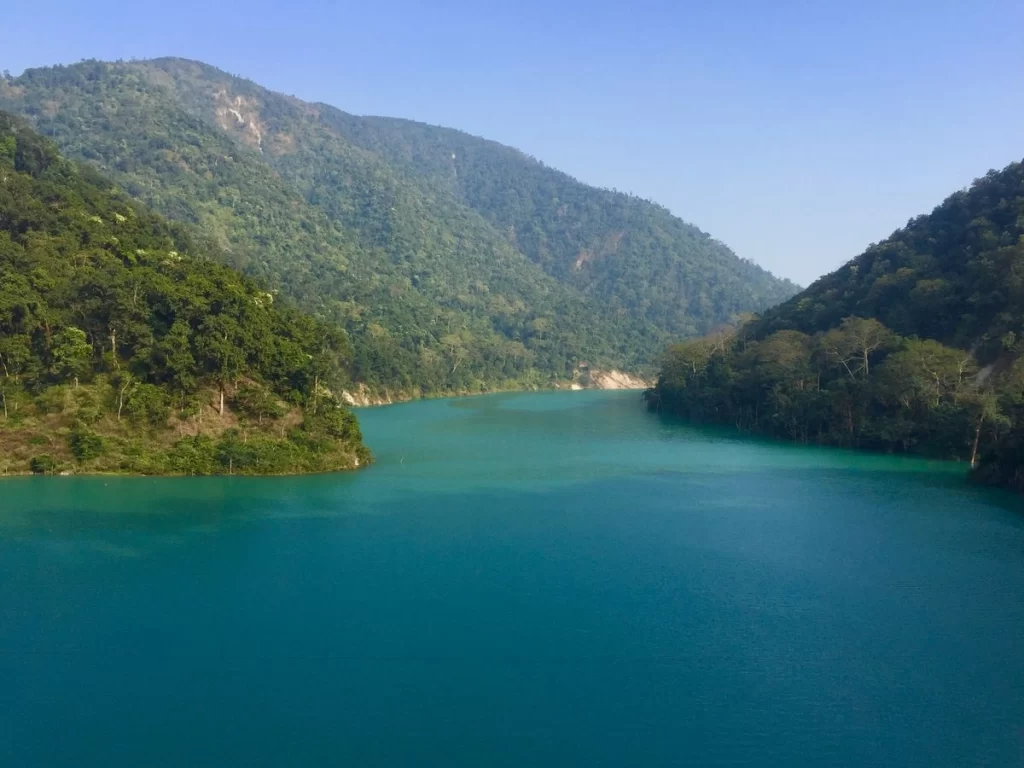
For decades, India and Bangladesh have been locked in a dispute over the flow of this vital Himalayan river with farmers and ecosystems on both sides waiting for a clear resolution. Recent advances have provided a considerable, albeit tentative, step in closing this gap, with a new paradigm for data-sharing. It’s not only about the figures and the flow rates, but it’s a big step in the process of getting back the technical confidence to eventually sign a comprehensive water sharing accord that is long overdue.
The Teesta Connection: A Comprehension
The Teesta River is a river which originates in the Eastern Himalayas and travels through the Indian states of Sikkim and West Bengal before entering Bangladesh to join the Brahmaputra River. The dry-season flow is critical in Bangladesh for irrigation and the livelihoods of millions who rely on the river. But India has to balance these downstream needs with the agricultural and developmental needs of its own northern provinces, particularly West Bengal.
The current increase in strong, transparent data sharing is a sensible building element for a more collaborative future. By agreeing to share information in real time, the two countries are moving from rhetoric to a common, evidence-based understanding of the river’s actual behavior. It’s a quiet, behind-the-scenes move, but it may be the most critical step taken in years.
What Does Data Openness Mean?
What is the larger picture of water diplomacy and why is sharing data so important? Sometimes, when neighbors share a transboundary river, a lack of synchronized, dependable information can lead to mistrust. “If one side believes the other is misusing or hoarding water, technical discussion can easily become a question of terror.
India and Bangladesh are formalising data collection and a “single source of truth”. Recent cooperative actions through the Joint Rivers Commission have been:
Simultaneous observations of the water level at selected points in the river.
Long-term flood forecasting and early warning system.
Joint studies on river bank conservancy, sediment management.
This technical cooperation is a reflection of the spirit of the ongoing renewal process of the Ganga Water Sharing Treaty where coordinated monitoring is now standard for the sake of stability. These efforts contribute to the easing of tensions by allowing each administration to make policy choices based on reality rather than assumption.
Walking the tightrope of politics
The road to a final treaty is hampered by the different interests of the regions concerned. India has a complex water management problem and states have a key role in the federal decision-making process. The challenge for policymakers in New Delhi is to strike the delicate balance between the needs of West Bengal and the spirit of engagement with Dhaka internationally.
How can two countries meet such acute local agricultural requirements and also maintain a solid and long-term strategic alliance? This is the core of the problem. The current focus on incremental technical agreements reflects both sides’ desire for stability, rather than rapid and potentially volatile political fixes.
“The move towards a more structured engagement with the present administration in India will benefit Bangladesh. The general political climate may not be conducive to talks, but recent exchanges, particularly those involving the interim administration in Dhaka, indicate a willingness to engage in serious discussions. This pragmatism is a must. Water, unlike other diplomatic concerns, cannot have the luxury of waiting for political cycles to be perfectly aligned.
Overcoming the Deadlock
We are determined to maintaining this pace through the rest of 2026. The Ganga Water Sharing Treaty which is itself presently in the process of renewal has been well handled and is a model of what is possible when technical cooperation is placed in the forefront of the agenda. If the Teesta data-sharing mechanism continues to function properly, it will build up the confidence required for tackling the tougher questions of specific percentages of distribution.
Phase I: Joint monitoring stations to build technological transparency.
Phase two : Creation of a shared databank for the hydrological experts of both countries.
Phase Three: Use this data to construct a mutually acceptable and scientifically sound water-sharing agreement.
It has the effect of reducing the temperature of the debate, because it is a slow approach. This gives the professionals time to sort out the “how” before the political authorities need to decide the “how much”.
A future that is sustainable.
India-Bangladesh cooperation on transboundary water issues is an understanding that ecosystems are not restricted by national lines. The health of the Teesta River system is a shared concern with urgent implications for the food security and economic stability of people on both sides.
Maybe the best work in international relations is not the big treaties signed but the boring, grinding work of sharing information? If the trend continues then it could be yes. Both nations are quietly laying the groundwork for the fair flow of water tomorrow by focusing on the flow of data today. This rigorous, pragmatic approach provides the best shot yet at fixing one of the region’s most intractable challenges, making sure the Teesta becomes a source of prosperity, not a drag on growth.
Teesta River Talks: A New Chapter in India-Bangladesh Water Diplomacy