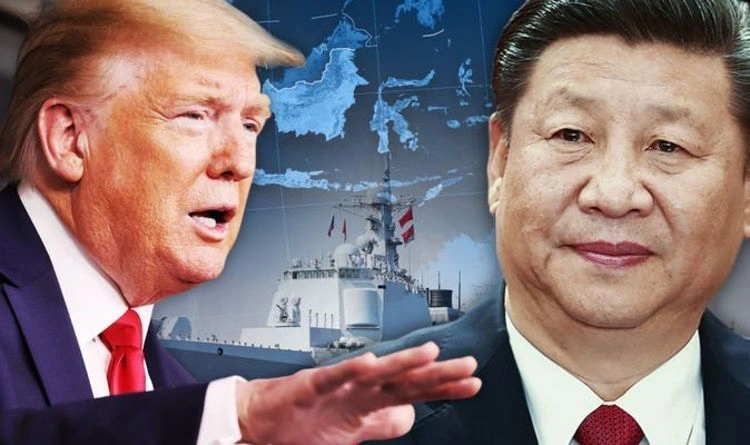
U.S. Treasury Secretary Scott Bessent and Chinese Vice Premier He Lifeng met in Seoul for preliminary economic talks designed to smooth the path for President Donald Trump’s upcoming state visit to Beijing. These short, focused discussions aim to iron out sensitive trade, investment and macroeconomic issues so the leaders’ summit can deliver concrete, manageable outcomes rather than headline-grabbing confrontation.
Why this matters now
A Trump-Xi summit in Beijing is being positioned as a moment to stabilise the world’s largest bilateral economic relationship, with officials hoping lower-level technical agreements will make senior-level diplomacy easier and less risky. Both sides face domestic pressures—U.S. political constituencies demanding better market access and China seeking stability amid slower growth—so these preparatory talks carry outsized importance far beyond the single meeting in Seoul.
What happened in Seoul
The Seoul meeting was brief but strategically timed: Bessent arrived, met He Lifeng, and left for China the same day—an itinerary that underlines the talks’ preparatory character rather than negotiation of final texts. South Korean officials reported the meeting was arranged as part of pre-summit consultations, with neither side planning bilateral meetings with Seoul’s government during the stopover. Bessent himself signalled the meeting’s purpose on social media, calling it a candid discussion ahead of the leaders’ summit.
Key themes on the table
Trade and market access: Washington’s priority is clearer, enforceable commitments from China to buy more American goods—especially agricultural and industrial exports—and to open sectors to U.S. firms in ways that are verifiable. Beijing’s interest lies in predictable trade flows and protecting its own industrial policy priorities.
Investment and capital flows: Both sides need assurances around cross-border investment screening, intellectual property protections, and rules for sensitive technologies; these topics are often discussed at deputy or ministerial levels first so leaders can endorse a package rather than be mired in technicalities. Analysts say rare-earth and critical minerals flows, as well as Chinese purchases of U.S. agricultural products, have been focal points in recent meetings.
Financial stability and macro policy coordination: With global markets watching, officials also touch on currency volatility, debt stresses in emerging markets, and the effects of U.S. monetary policy—areas where cooperation reduces the risk of spillovers that could complicate political talks.
Taiwan and geostrategic risks: While the Seoul session was framed as economic, delegates understand that any leaders’ summit will sit against a backdrop of security concerns; keeping the economic agenda on track helps separate, to the extent possible, commercial issues from flashpoints.
Why deputy-level meetings matter
These conversations are not glamourous, but they matter because they build the scaffolding for statements and small deals the presidents can announce publicly. If deputies can translate broad political instructions into clear, operational commitments—such as a timetable for increased agricultural purchases or a technical group on export controls—the summit can be presented as delivering measurable results rather than platitudes. Think of Seoul as the workshop where diplomats smooth the screws before the stage is set in Beijing.
What both sides want to show
For the U.S., success equals tangible openings for U.S. industry and tangible commitments on buying American goods, which feeds into domestic narratives about protecting jobs and supporting farmers. For China, success means preserving core policy space while showing an ability to stabilise external relations and attract investment. Both capitals also want to show domestic audiences that the relationship is under control and that high-level engagement produces wins, however modest.
Indian and regional relevance
India, as a major Asian economy and a regional pivot, watches these talks closely. Easing U.S.-China tensions and a stable trade environment can affect supply chains that run through South and Southeast Asia and influence investment decisions in India. A constructive U.S.-China economic track could reduce the urgency for firms to reshuffle supply chains away from China entirely—potentially slowing a wave of diversification that India hopes to capture—while also creating space for cooperation on issues such as climate finance and infrastructure in the region.
Short bulleted snapshot
Who met: U.S. Treasury Secretary Scott Bessent and Chinese Vice Premier He Lifeng.
Where: Seoul, South Korea—used as a convenient venue on the eve of the Beijing summit.
Purpose: Preliminary economic and trade consultations to prepare for the Trump-Xi summit in Beijing.
Immediate takeaway: Talks were candid and short; they are part of a sequence of meetings aimed at producing concrete deliverables for leaders.
Potential outcomes and red lines
Observers expect outcomes to be pragmatic and incremental: agreed language for joint statements, timetables for purchases, or the creation of working groups to handle technical issues such as export controls and investment screening. Red lines remain: China will resist measures that threaten its “core interests” or industrial policies; the U.S. will resist commitments it cannot credibly enforce domestically. The art of diplomacy in Seoul is to find measures both sides can commit to without provoking domestic backlash.
Risks and pitfalls
There’s a risk the summit could raise expectations beyond what deputies can realistically deliver. If leaders promise sweeping changes that staff cannot implement, the follow-through will falter—and political costs could mount on both sides. Another pitfall is conflating economic cooperation with political trust; short-term economic deals don’t resolve deeper strategic rivalry, and treating them as substitutes for broader engagement would be a mistake.
Voices from the field
Officials briefed in the region describe the Seoul meeting as “practical” and “aimed at reducing friction” rather than striking big bargains on the spot. Analysts at policy centres say this pattern—preparatory technical meetings followed by a leader-level summit—allows for targeted deliverables while keeping sensitive issues off the headlines until negotiators have agreed on implementation steps.
Questions to consider
Are both sides prepared to accept incremental gains instead of headline-making breakthroughs? And if the leaders’ summit produces only modest commitments, will domestic audiences in Washington and Beijing view that as success or a missed opportunity?
A forward-looking view
If the Seoul talks lead to clear, verifiable steps—an agreed purchase schedule, technical working groups on technology controls, or a pledge to reduce certain trade frictions—the summit can be portrayed as a stabilising moment. That would help financial markets and regional partners while giving each leadership room to manage domestic expectations. On the other hand, unmet expectations could quickly shift the narrative back toward rivalry and strategic competition.
Writing the next chapter
Diplomacy at this level is often incremental. Seoul’s role was practical: give negotiators space to translate political signals into action, so that when presidents meet they can sign off on concrete items. Whether that careful work yields lasting adjustments in the U.S.-China relationship depends on follow-through by ministries, clear monitoring mechanisms, and realistic expectations on both sides.
Final thought
A leaders’ summit is a chance to reset public narratives about a fraught relationship, but it’s the patient, technical toil behind the scenes—like the Bessent-He talks in Seoul—that determines whether a summit’s promises become policy. Small steps may not grab headlines the way big deals do, but they can reduce missteps and buy time for more substantive engagement. Can diplomacy built on modest deliverables deliver real stability? The answer will unfold in the weeks after the Beijing meeting.
Quiet Talks, Big Stakes: U.S.-China Economic Deputies Meet in Seoul Ahead of Trump’s Beijing Summit