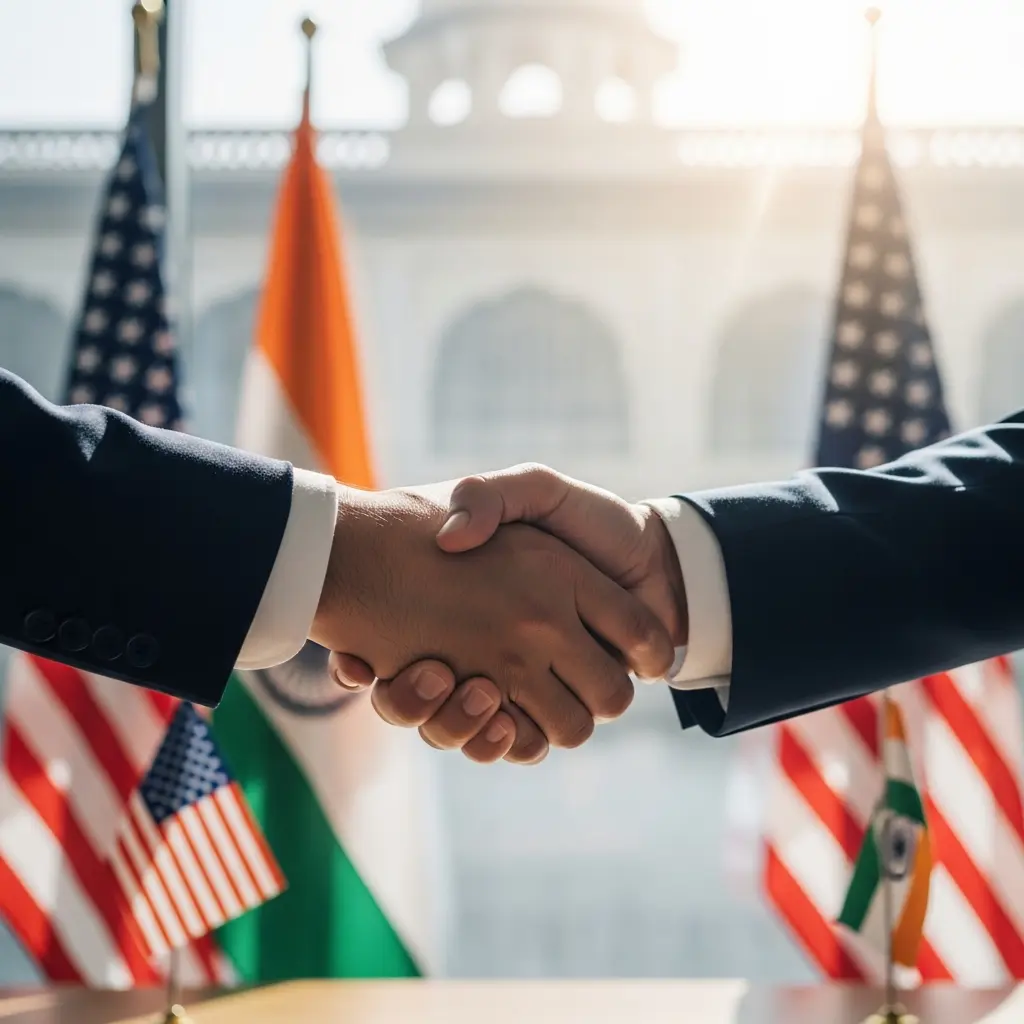
There is a particular kind of optimism that surrounds trade negotiations — cautious, carefully worded, and always hedged with the phrase “subject to final agreement.” But the mood around the India-US trade deal currently taking shape feels different. Both governments now seem closer than ever to signing an agreement that could reshape trade between the two countries and reset economic relationships across two continents after years of fits and starts, missed deadlines and diplomatic near-misses.
Senior officials from both sides have spent weeks in intensive negotiations, working through a dense thicket of tariff schedules, regulatory frameworks, and market access provisions. The conversations have been serious, substantive, and — by all accounts — productive. Analysts watching from the sidelines are beginning to use a word they have been reluctant to apply to this relationship for a long time: momentum.
Why This Moment Feels Different
The history of India-US diplomacy on trade is, to put it gently, complicated. The two countries have long enjoyed a warm strategic relationship, but their economic ties have been perpetually undercut by disagreements over tariffs, data localization rules, agricultural market access, and intellectual property protections. Previous attempts at a comprehensive trade framework stalled at precisely the point where political will was required to make difficult concessions.
What has changed is the broader context. The global economy has been reshuffled by supply chain disruptions, the accelerating decoupling of Western economies from China, and an urgent search among major democracies for reliable manufacturing and technology partners. In that landscape, India and the United States are natural allies — and both governments appear to have arrived, simultaneously, at the conclusion that the cost of continued delay now outweighs the discomfort of compromise.
Diplomatic engagement has intensified sharply over recent weeks, with both governments working against an informal deadline ahead of the next major economic summit. That kind of external pressure, experienced negotiators note, has a way of concentrating minds.
What Is on the Table
The current round of discussions spans several interconnected areas, each significant in its own right and collectively representing one of the most ambitious bilateral trade frameworks either country has pursued in years.
Market access remains the most politically sensitive piece of the puzzle. American exporters have long sought greater entry into Indian markets for agricultural products, medical devices, and consumer goods. India, for its part, is pushing for the removal of tariffs that affect its textile, pharmaceutical, and engineering exports to the United States. Neither side is getting everything it wants — but the willingness to negotiate, rather than simply state positions, is itself a shift.
Digital trade is increasingly central to the discussions. India’s technology sector is one of the most dynamic in the world, and the two countries have deep existing ties in software, IT services, and business process outsourcing. The new deal would build on that foundation, laying out clearer rules around data flows, e-commerce and digital services – areas that have become significant sources of friction between governments and tech companies around the world.
But the manufacturing partnerships are perhaps the most strategically significant piece of the deal. As the United States works to diversify supply chains away from overreliance on any single country, India has positioned itself aggressively as an alternative hub for electronics, semiconductors, pharmaceuticals, and defense components. The agreement under discussion would create frameworks for deeper industrial cooperation, potentially drawing significant investment from American companies looking to build production capacity in South Asia.
Technology and defense cooperation, while not strictly a trade issue, runs through every layer of the conversation. The US partnership with India has grown considerably in strategic terms over the past decade, and formalizing economic dimensions of that relationship — including joint development and co-production of defense technologies — would mark a qualitative deepening of ties.
What It Could Mean for the Global Economy
The implications of a finalized India-US trade deal extend well beyond the two countries directly involved. India is the world’s most populous nation and one of its fastest-growing major economies. The United States remains the world’s largest economy and the anchor of global financial systems. An agreement that more tightly integrates their trade and investment would generate effects felt from Southeast Asia to Sub-Saharan Africa.
For investors, the deal represents a significant signal about the stability and direction of the global economy. Markets in both Asia and North America have been watching developments closely, aware that a successful agreement would open new opportunities in manufacturing, infrastructure, and technology — while also signaling a broader trend toward allied countries deepening economic bonds in uncertain times.
Exporters in third countries will be watching too, particularly those in sectors like electronics and pharmaceuticals where Indian and American producers would become more formidable competitors operating under a preferential trade framework.
The Obstacles That Remain
Cautious optimism is still, ultimately, cautious. Several unresolved issues remain, including specific tariff and regulatory questions that have proven stubborn across multiple rounds of negotiations. And the politics of both countries makes it even more complicated – trade deals always have winners and losers at home, and neither government can afford to look like they gave away too much.
India has always been good at playing multiple relationships at the same time through its trade diplomacy and any deal with Washington will be carefully calibrated against India’s other economic and strategic commitments. Similarly, the US partnership with India, however strategically valuable, will need to pass domestic political scrutiny in an environment where trade agreements face genuine skepticism from multiple directions.
A Deal Worth Getting Right
What both sides seem to understand, finally, is that the perfect cannot be the enemy of the good. A comprehensive India-US trade agreement may not resolve every point of contention — it rarely does. But the framework being negotiated now, if completed, would lay the groundwork for a bilateral economic relationship more commensurate with the strategic partnership both governments say they want.
The world is watching. And for once, it may not have to wait much longer.
India and the US Are Finally Getting Serious About a Trade Deal — and the World Is Watching.