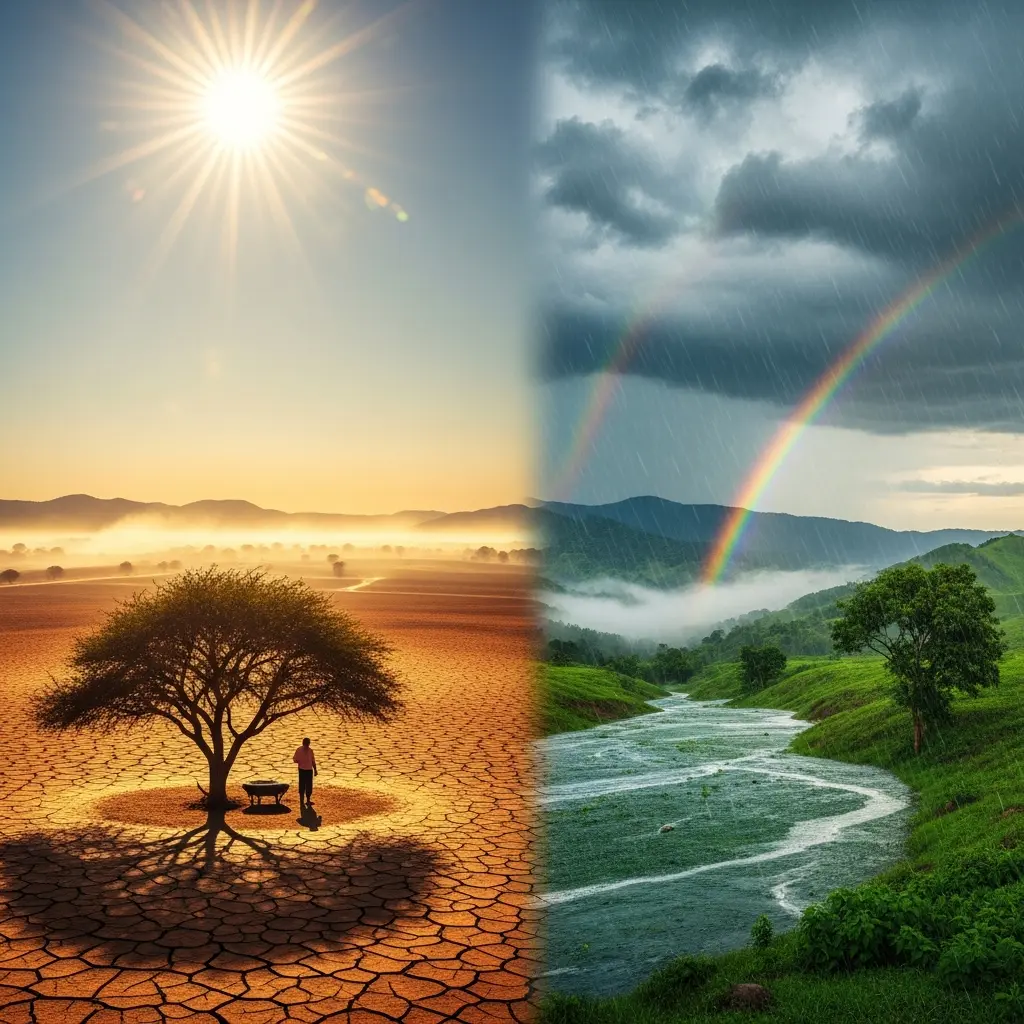
There is something deeply unsettling about opening a weather map of India right now. On one side of the country, cities are baking under temperatures that have crossed 45°C, turning streets into furnaces and leaving hospitals scrambling to treat a rising tide of heat exhaustion cases. On the other, northeastern and southern states are bracing for heavy rainfall — the kind that floods roads, uproots communities, and reminds people just how little control they have over the sky above them.
This is not a contradiction. It is, increasingly, the new normal. And the India Meteorological Department’s latest round of alerts — simultaneously warning of severe heatwaves across central and northern India while flagging heavy rain for other regions — captures something important about where the country’s climate is heading. Extreme is no longer the exception. It is the season.
The Heat That Stops a City
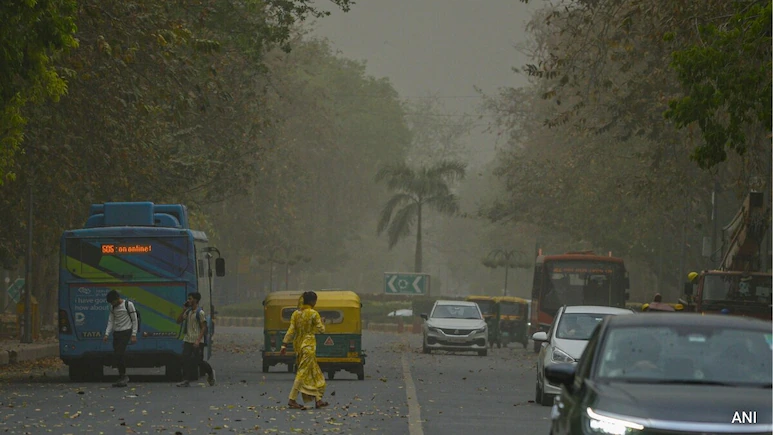
For residents of central and northern India, the past several days have been genuinely brutal. Temperatures in multiple cities have climbed past 45°C — a threshold that does not just make people uncomfortable but actively endangers their lives. At that level of heat, the human body struggles to regulate its own temperature. Elderly people, young children, outdoor workers, and anyone without access to cooling face real and serious risk.
Local authorities have responded by issuing strong advisories urging people to stay indoors during peak afternoon hours, typically between noon and four in the evening when the sun is most relentless. Health departments across affected states have stepped up emergency preparedness measures, stocking hospitals and clinics with oral rehydration supplies, setting up cooling centers in public spaces, and training frontline health workers to recognize and respond to heatstroke and severe dehydration.
The IMD alert has given some advance warning to those who might otherwise have dismissed the heat as seasonal discomfort. But awareness does not always translate into protection — particularly for the millions of daily wage workers, farmers, construction workers, and street vendors whose livelihoods depend on being outside regardless of what the thermometer reads. For them, the choice between working and surviving the heat is not really a choice at all.
Who Bears the Burden
This is worth sitting with for a moment. The India heatwave, as it is being discussed in weather bulletins and news tickers, can sound like an inconvenience — something to be managed with hydration tips and adjusted schedules. But the lived reality for much of India’s working population is far harsher. Farmers in Rajasthan, Uttar Pradesh, and Madhya Pradesh are tending fields in temperatures that would qualify as a health emergency in most parts of the developed world. Construction workers in Delhi and Nagpur are mixing concrete on scaffolding under a sun that offers no mercy.
Health departments have reported rising cases of dehydration and heat exhaustion, but those numbers almost certainly undercount the true scale of suffering. Many people in rural areas do not seek formal medical attention until their condition is severe. Many more push through symptoms — dizziness, cramping, fatigue — simply because stopping work is not an option their circumstances allow.
The weather update from IMD is important. But it will take far more than alerts to protect the people who are most exposed.
Meanwhile, the Rains
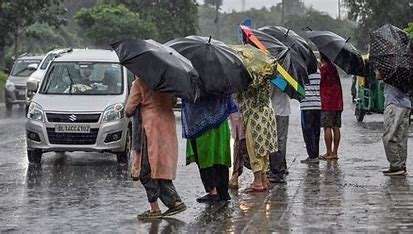
While northern and central India contend with fire, parts of the south and northeast are preparing for flood. Heavy rainfall warnings have been issued for several states, with weather experts cautioning that river systems in some areas are already running high from earlier seasonal precipitation. The arrival of intense rain in a short period can overwhelm drainage infrastructure, trigger landslides in hilly terrain, and displace communities that are already vulnerable.
The juxtaposition feels almost theatrical — drought-like heat in one part of the country, waterlogged streets in another — but it reflects a pattern that climate scientists have been warning about for years. Climate change does not simply make the world hotter. It amplifies extremes. It makes wet regions wetter and dry regions drier. It compresses the transitions between seasons and stretches the periods of maximum stress at either end.
India, given its size, its geography, and its vast population, sits at the center of this intensification. The subcontinent’s climate has always been dramatic — monsoons and dry spells are written into the country’s culture, agriculture, and calendar. But the extremes being recorded now are operating beyond historical norms, and weather experts are increasingly clear about why.
Climate Change Is Not a Future Problem
The phrase “changing climate patterns” appears in official communications with a kind of bureaucratic neutrality that can blunt its real meaning. What it means, in practice, is that the conditions being experienced right now — 45°C cities, simultaneous flood warnings, emergency health advisories — are not anomalies to be waited out. They are the direction of travel.
India’s carbon footprint is growing as its economy develops, but it is also a country acutely aware of its own vulnerability to the consequences of global warming. The government has made significant commitments to renewable energy and emissions reduction.
What Can Be Done Right Now
In the immediate term, the advice from health departments and the IMD is straightforward: stay hydrated, avoid direct sun during peak hours, check on neighbors and elderly family members, and take heat symptoms seriously. For those who can work from home or adjust their schedules, doing so during the worst of the heat could be lifesaving.
For policymakers, the current weather update should serve as a prompt — not just to manage this crisis, but to begin more seriously investing in heat-resilient infrastructure, improved early warning systems, and social safety nets that protect the workers most exposed to climate risk.
India has always lived with extreme weather. But extreme weather is getting more extreme. And the time for treating that fact as a distant concern has well and truly passed.
India Burns and Floods at the Same Time — and That Should Tell Us Something