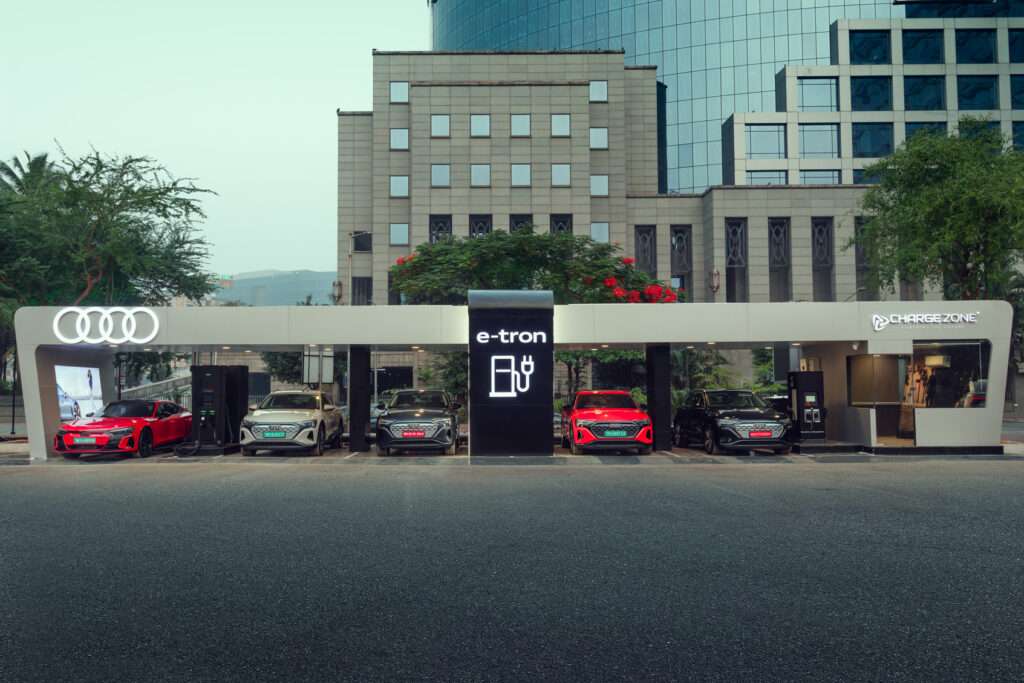
New Delhi, [15 May]: In a major push for electric mobility, the Indian government has unveiled plans to install 360 kW ultra-fast charging stations along major national highways, specifically designed for heavy-duty electric vehicles (EVs). This initiative aims to accelerate the adoption of electric trucks and buses while addressing range anxiety in long-haul transportation.
Key Features of the Charging Infrastructure Plan
1. High-Power Charging Network
- Capacity: Each charging point will deliver 360 kW of power, enabling rapid charging for heavy EVs.
- Target Users: Primarily focused on electric trucks, buses, and commercial fleets.
- Charging Time: Capable of charging a heavy-duty EV from 20% to 80% in under 45 minutes, significantly reducing downtime for logistics operators.
2. Strategic Highway Coverage
- Phase 1: Charging stations will be installed along 5,000 km of highways, including key freight corridors like the Delhi-Mumbai Expressway and Golden Quadrilateral.
- Future Expansion: Plans to cover 10,000+ km by 2027, ensuring seamless intercity EV freight movement.
3. Public-Private Partnership (PPP) Model
- The government will collaborate with private charging operators, energy companies, and automakers to deploy and maintain the infrastructure.
- Subsidies & Incentives: Charging providers may receive tax benefits and land allocation support to encourage investment.
Why This Move Matters for India’s EV Transition?
1. Boosting Electric Truck & Bus Adoption
- Heavy-duty vehicles contribute nearly 40% of India’s transport emissions.
- Faster charging will make electric trucks (like Tata Ace EV and Ashok Leyland e-Metros) more viable for logistics.
2. Reducing Range Anxiety
- A 360 kW charger can add 200-250 km of range in 30 minutes, making long-haul EV freight feasible.
- Currently, most public chargers in India are 50 kW or below, unsuitable for heavy EVs.
3. Aligning with Global Standards
- The 360 kW charging standard matches infrastructure in Europe and China, ensuring compatibility with future EV models.
- Companies like Volvo and Tesla are already developing heavy EVs compatible with such high-power charging.
Challenges & Roadblocks
- High Infrastructure Costs: Setting up 360 kW stations requires significant investment in grid upgrades.
- Power Supply Stability: Ensuring uninterrupted high-voltage supply in remote highway locations remains a hurdle.
- Standardization: Coordinating charging protocols among different manufacturers (CCS2 vs. GB/T) is critical.
Industry & Stakeholder Reactions
- Automakers: Tata Motors and Ashok Leyland have welcomed the move, calling it a “game-changer for electric freight.”
- Logistics Firms: Companies like Delhivery and Blue Dart are evaluating electric truck deployments once charging infrastructure is operational.
- Energy Providers: NTPC and Tata Power are in talks to bid for charging station contracts.
What’s Next?
- Pilot Projects: Trials expected to begin on the Delhi-Jaipur highway by Q4 2025.
- Policy Finalization: The Ministry of Heavy Industries will release technical and bidding guidelines by August 2025.
- Global Partnerships: India may collaborate with European and Chinese charging tech firms for faster rollout.
Conclusion
The government’s 360 kW highway charging plan marks a decisive step toward decarbonizing India’s freight sector. By addressing the biggest barrier—charging speed—this initiative could position India as a leader in heavy-duty electric mobility, reducing both emissions and logistics costs in the long run.