The monsoon has once again tightened its grip over India, and Thursday brought that home in the most literal way for millions of commuters. Delhi rain today turned several stretches of the capital into slow-moving traffic snarls, while Gujarat found itself under an orange alert for very heavy rain — the latest sign that this year’s monsoon system is showing no signs of easing up anytime soon.
Delhi Wakes Up Wet, Again
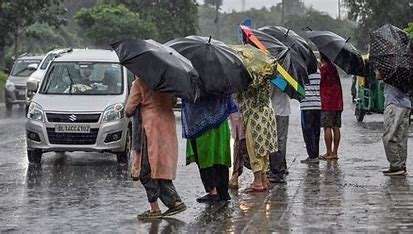
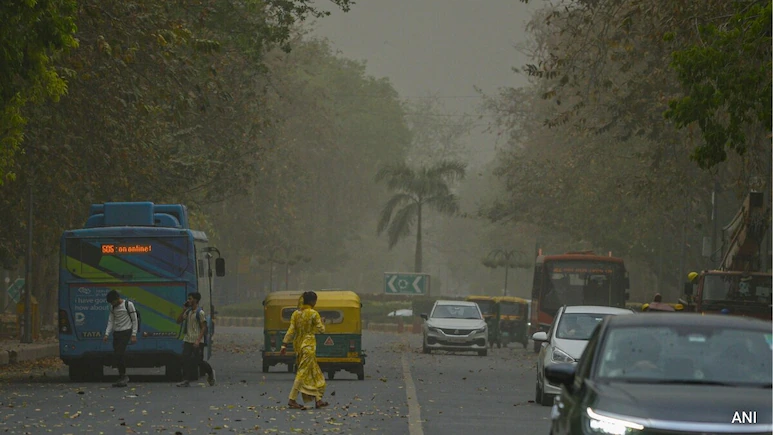
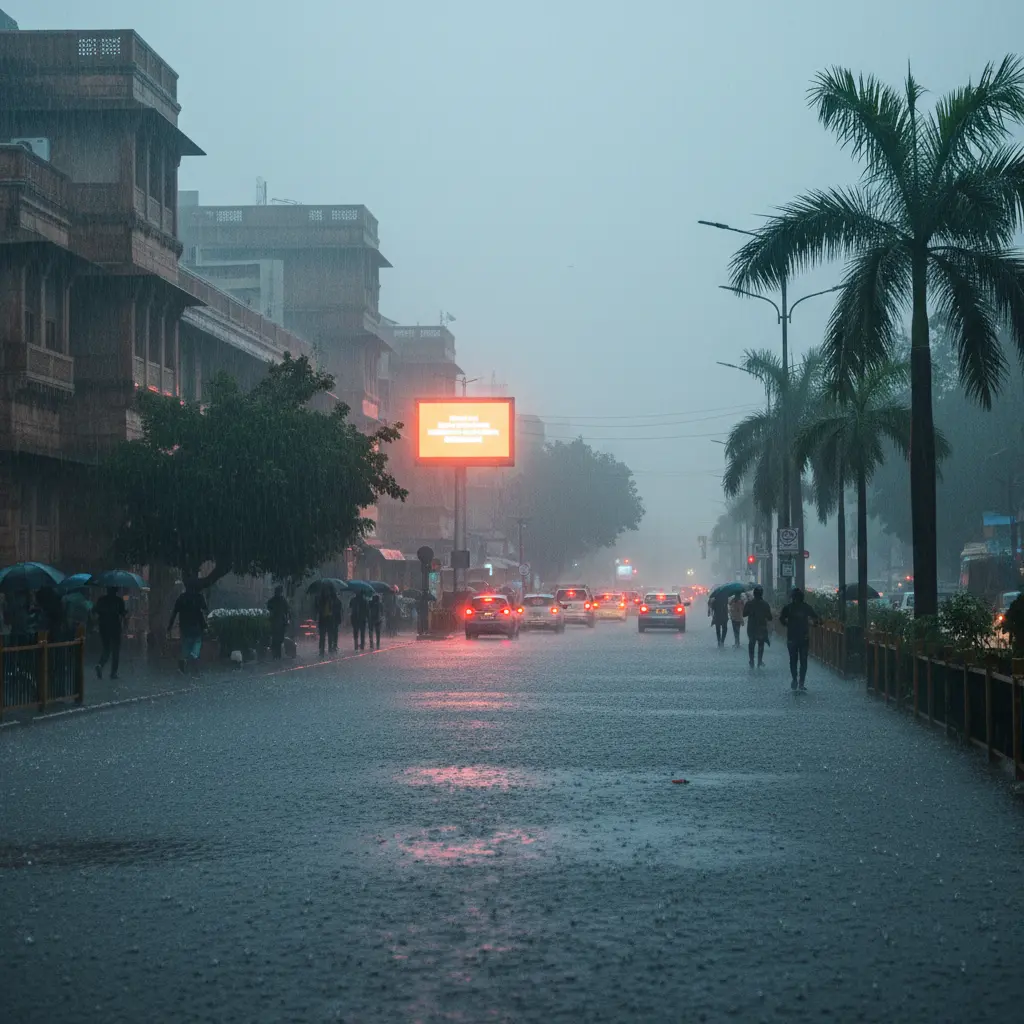
Residents of the national capital woke up on Thursday to overcast skies and a fresh spell of rain, with showers reported across key areas including Rafi Marg, Raisina Road, and RK Puram. Traffic moved noticeably slower on several stretches as water began pooling in low-lying pockets, a familiar monsoon headache for Delhiites. The India Meteorological Department flagged the risk of waterlogging and issued a nowcast warning at the orange level for parts of South Delhi, New Delhi, southwest Delhi, and west Delhi, with thunderstorms, lightning, and gusty winds of up to 30-40 kmph forecast through the morning.
Temperatures in the city are expected to swing between a relatively cool 23°C and 32°C for the day, a welcome dip that’s brought some relief from the humidity that usually accompanies this stretch of the monsoon. The IMD’s broader outlook suggests the wet spell isn’t going anywhere fast — light to moderate rain is expected to continue through Friday, with the possibility of isolated heavier spurts depending on how the day’s weather systems evolve.
Gujarat Bears the Brunt
While Delhi deals with waterlogged roads and sluggish traffic, Gujarat is facing a far more serious situation. The state has been placed under an orange alert for very heavy rainfall, part of a broader pattern that has seen the region swing between red and orange warnings over the past several weeks as one weather system after another has rolled through. Several districts have already dealt with flooding and disruption this monsoon season, and authorities continue to urge residents in flood-prone pockets to stay alert and avoid unnecessary travel.
The India Meteorological Department’s warning system uses colour codes to signal severity — orange indicates a need to “be prepared,” typically meaning heavy to very heavy rainfall that can disrupt daily life, while red signals extremely heavy rain with a higher risk of serious flooding. Gujarat’s near misses with both this season underline just how active the monsoon has been over western India in 2026.
Assam and Tamil Nadu Also on Alert
The intense monsoon activity isn’t limited to the north and west. Assam continues to see heavy rainfall that has, at various points this season, left several districts waterlogged and prompted evacuation efforts by disaster response teams in flood-affected pockets. Tamil Nadu, too, is witnessing its own bout of intense monsoon weather, with authorities keeping a close watch on rainfall patterns as the southwest monsoon interacts with regional weather systems.
Taken together, the situation reflects what meteorologists have been describing as one of the more active monsoon spells in recent years — a wide monsoon trough stretching across the country that has kept rainfall alerts rotating through state after state since early July.
What the IMD is Telling People to Do
Given the spread of the alerts, the India Meteorological Department has repeated its standard but important advice for residents in the affected zones. People in flood-prone districts are being urged to avoid unnecessary travel, particularly during periods of intense rainfall, and to stay away from weak structures or trees during thunderstorms. Farmers have been advised to keep an eye on localized forecasts before heading out, given the risk of gusty winds accompanying the rain in several regions.
For commuters in cities like Delhi, the advice is more practical. Expect delays. Avoid low-lying underpasses that are often flooded. Keep an eye on real-time traffic and weather updates rather than assuming yesterday’s route will work today. In Gujarat, where the stakes are even higher with the orange alert for very heavy rain, local disaster management authorities are on standby to respond to flooding or disruption to infrastructure if the situation worsens.
The Bigger Picture
The burst of wet weather is part of a monsoon season that has been unusually active across much of the country. The India monsoon 2026 has kept the weather department busy issuing advisories almost every day, from the red alerts in Rajasthan and Maharashtra earlier this season, to the orange warnings in Gujarat and the nowcast alerts over Delhi.
For now, the safest bet for anyone in the affected states is to simply stay tuned to official IMD updates, keep travel plans flexible, and take the flood alert seriously wherever local authorities issue one. Monsoon systems can shift quickly, and what looks like a light morning drizzle in Delhi or a routine warning in Gujarat can escalate within hours once the rain bands intensify.