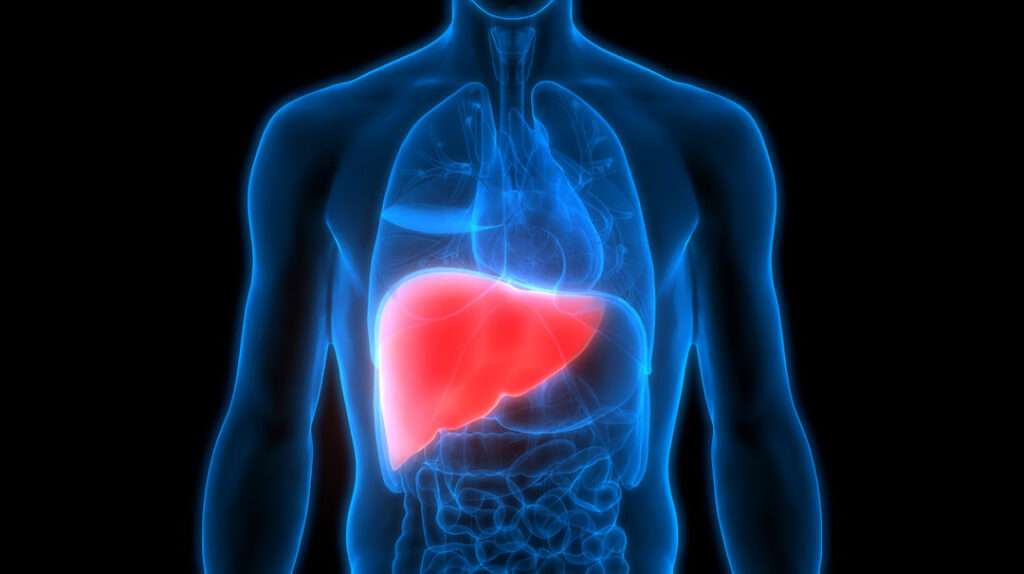
Recent medical reports have linked a commonly consumed herbal supplement to severe liver disease, including life-threatening liver failure. This alarming discovery has sparked concern among health professionals and regulators about the safety of natural remedies, which are often assumed to be risk-free due to their plant-based origins.
The supplement, favored by many for its purported health benefits and natural healing properties, has been associated with an increasing number of cases involving serious liver injury. Medical investigations have found that prolonged use or high doses of this product may cause significant damage to liver tissue, resulting in inflammation, cell damage, and in extreme cases, liver failure that necessitates urgent medical intervention or transplantation.
Experts emphasize that the perception of herbal supplements as inherently safe can be misleading. “Natural does not always mean harmless,” warns Dr. Aarti Sharma, a specialist in liver diseases. “Certain compounds found in these supplements can be toxic to the liver, especially if taken improperly or without medical supervision.”
Currently, herbal supplements are subject to less stringent regulations compared to conventional pharmaceuticals, leading to concerns over inadequate safety assessments. Health authorities are now reviewing policies to introduce stricter controls and mandatory safety testing to protect consumers.
Consumers are advised to approach herbal supplements with caution, particularly individuals with pre-existing liver conditions or those taking other medications, as the risk of adverse effects and interactions is higher. Consulting a healthcare professional before starting any herbal treatment is strongly recommended.
This revelation highlights the urgent need for greater public awareness and improved regulatory frameworks to ensure the safe use of herbal products. While natural supplements can play a role in holistic health management, their potential risks must be clearly understood to prevent avoidable harm.