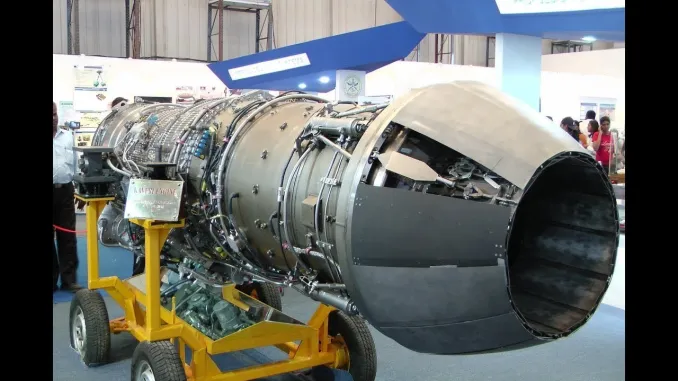
In a significant stride towards bolstering its defense capabilities, India is in advanced negotiations with General Electric (GE) to co-develop and manufacture next-generation fighter jet engines for the country’s upcoming stealth aircraft. This strategic collaboration marks a pivotal moment in India’s defense modernization and aligns with the broader “Make in India” initiative.
The proposed agreement, expected to be finalized in the coming months, could see GE partnering with Hindustan Aeronautics Limited (HAL) to produce high-thrust jet engines domestically. These engines are likely to power the indigenous Advanced Medium Combat Aircraft (AMCA), a fifth-generation stealth fighter currently under development by India’s Defence Research and Development Organisation (DRDO).
The AMCA project aims to enhance India’s aerial superiority with features such as stealth capabilities, supercruise, advanced avionics, and next-gen weapons systems. Sources indicate that GE’s F414 engine platform, a proven and reliable powerplant, is a strong contender for integration into the AMCA program. If the deal goes through, it could significantly boost India’s aerospace ecosystem by enabling technology transfer and local manufacturing.
This development comes amid growing concerns about regional security, especially in light of China’s increasing military assertiveness. With tensions along India’s northern borders and an evolving Indo-Pacific security architecture, strengthening airpower is a critical priority for India’s defense planners.
The India-GE partnership would be a landmark in defense technology cooperation between the United States and India. Earlier, during high-level meetings and bilateral defense dialogues, both nations emphasized the importance of industrial collaboration in critical technologies. The U.S. has expressed strong support for India’s defense self-reliance goals, making this engine deal not just commercially significant but also geopolitically strategic.
Experts believe that beyond the AMCA, the proposed collaboration could open avenues for joint development of future combat aircraft and unmanned aerial platforms. It also reinforces India’s commitment to reducing dependence on Russian defense technology—a longstanding pillar of its military inventory—and pivoting towards Western platforms.