
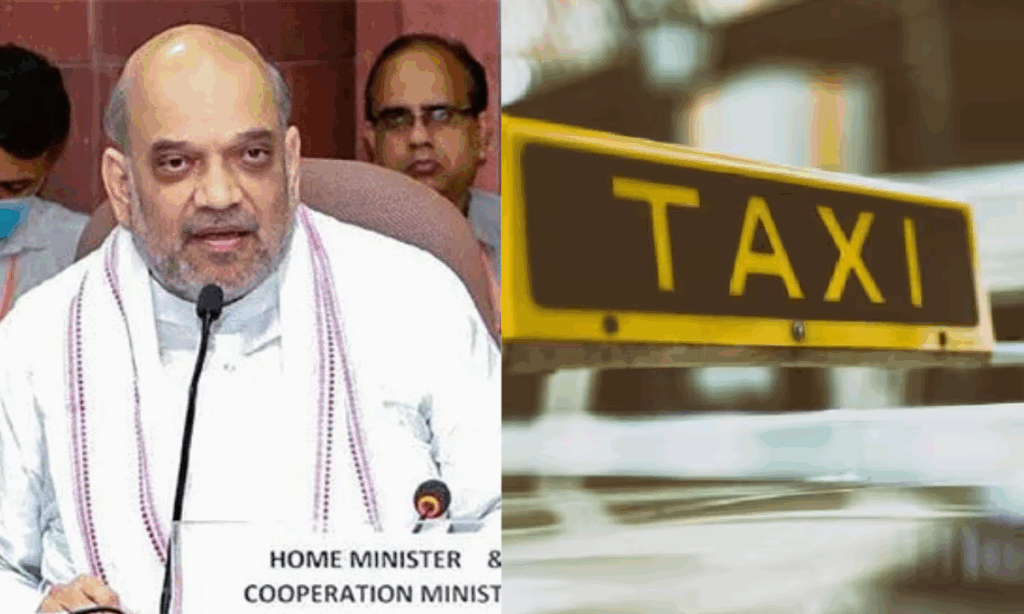
In a significant move aimed at empowering cooperative societies and enhancing public transport infrastructure, Union Home and Cooperation Minister Amit Shah announced the upcoming launch of the ‘Sahkar Taxi’ service — a government-backed initiative positioned as an alternative to dominant ride-hailing platforms like Ola and Uber. The announcement, made during a national cooperative conference, marks a strategic effort by the Centre to increase employment and reduce market dependency on private aggregators.
The ‘Sahkar Taxi’ project will be developed under the aegis of the Ministry of Cooperation in partnership with various cooperative societies across India. According to Amit Shah, the initiative will prioritize fair pricing, transparency, and community-based ownership — aiming to reduce exploitation of both drivers and passengers often reported under existing platforms.
“We are introducing a cooperative-based taxi service so drivers are no longer just partners in name but real stakeholders in the system,” said Shah.
The scheme is part of a broader vision to strengthen the cooperative sector, enabling local self-help groups (SHGs), farmer producer organizations (FPOs), and urban cooperatives to participate in profitable business models. The model will promote local employment and offer better working conditions, revenue-sharing, and fewer commissions for drivers, in contrast to current aggregator practices.
The central government has hinted at initial rollout plans in urban areas where dependence on ride-hailing services is high. The ‘Sahkar Taxi’ will integrate digital infrastructure for app-based bookings, ensuring ease of use and competitive service quality. However, unlike the venture-capital funded tech giants, this cooperative model will reinvest profits into community welfare and economic upliftment.
Industry experts have lauded the plan’s potential to disrupt the current duopoly, provided technological execution and user experience match existing standards. Critics, however, raise concerns about whether a government-backed model can deliver on scalability, speed, and innovation — aspects that have kept Ola and Uber competitive.
The service will also focus on eco-friendly and women-centric mobility options, including inclusion of electric vehicles (EVs) and safer ride features for female passengers. The emphasis on digital payments, fare regulation, and accountability is also likely to appeal to a growing customer base dissatisfied with fluctuating fares and driver behavior complaints.

