
June 24, 2025
In a major diplomatic development, Iran and Israel have agreed to a ceasefire following weeks of heightened military tensions in the Middle East. The agreement, reportedly reached through indirect negotiations involving regional mediators, aims to halt the recent wave of hostilities that raised fears of a wider regional conflict.
Both nations confirmed the truce on Tuesday, though specific terms and duration have not been disclosed publicly. The move follows a series of cross-border strikes, including Israeli air raids targeting Iranian-linked militias in Syria, and retaliatory missile attacks by Iranian-backed forces in neighboring countries.
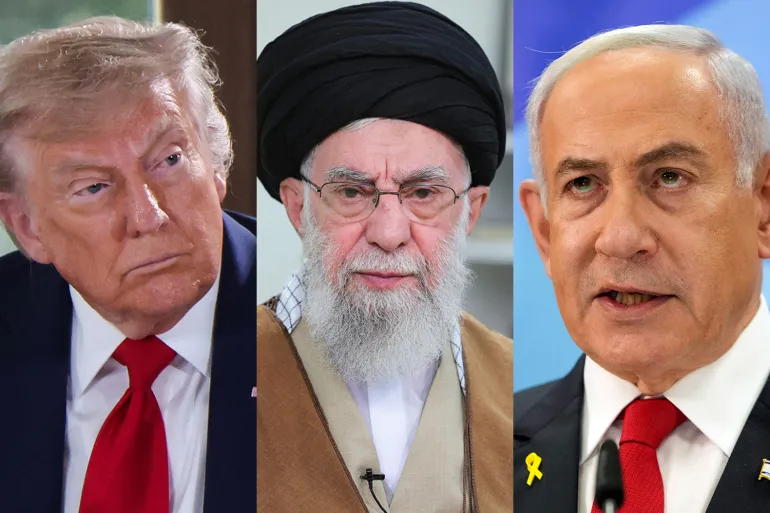
While the ceasefire has been welcomed internationally, former U.S. President Donald Trump issued a strong warning to both sides, urging them not to violate the agreement. In a statement posted on his platform, Truth Social, Trump wrote, “Peace is precious but fragile. I strongly urge both Iran and Israel to uphold the ceasefire. Breaking it would be a colossal mistake, and under my administration, such defiance would not be tolerated.”
Trump, a key figure in shaping Middle East policy during his tenure, has frequently criticized the Biden administration’s handling of Iran-Israel relations. He has also hinted at adopting a tougher stance if re-elected in the upcoming U.S. presidential election.
The ceasefire follows a particularly volatile period in the region. In recent weeks, Israel intensified its military operations in Syria and along the Lebanese border, citing threats from Iranian-backed forces. In response, Tehran reportedly increased support to its proxy networks across the region, triggering fears of a broader confrontation.
The European Union, the United Nations, and several Arab nations have welcomed the ceasefire, urging both parties to use the pause as an opportunity to pursue long-term diplomatic solutions. A joint statement by the EU’s External Action Service called the truce “a vital first step toward preventing further civilian casualties and regional escalation.”
Despite the positive development, analysts remain cautious. Experts warn that without sustained diplomatic engagement, the ceasefire may prove short-lived. Tensions between Iran and Israel remain deeply entrenched, fueled by ideological divides, territorial disputes, and ongoing proxy conflicts across Syria, Lebanon, and the Gaza Strip.
As of now, there are no formal peace talks scheduled between the two countries. However, regional observers suggest that international pressure and upcoming political changes in the U.S. and Israel may influence future negotiations.
The situation remains fluid, and global leaders continue to monitor the ceasefire closely. Any violation could risk reigniting a conflict with far-reaching consequences, not only for the Middle East but for global stability.

