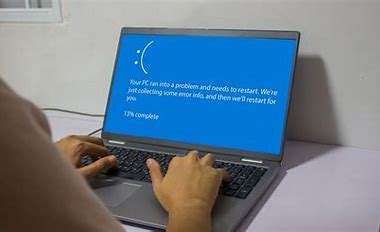
New Delhi — Microsoft has officially announced the end of its iconic “Blue Screen of Death” (BSOD), replacing it with a modern black-screen interface in its latest Windows updates. This marks a major shift in the tech giant’s decades-old approach to system crash notifications, as the company focuses on enhancing user experience and system transparency.
The Blue Screen of Death, notorious among Windows users for appearing during critical system failures, has been a part of the Windows ecosystem since the early 1990s. Often associated with sudden data loss and confusion, the screen became symbolic of software instability, especially for non-technical users.
Microsoft began testing a redesigned crash screen during early builds of Windows 11, and has now confirmed that the blue screen will be permanently retired in future Windows versions. The new black crash screen is designed to integrate more seamlessly with Windows 11’s dark mode and contemporary aesthetic.
In addition to the color change, Microsoft is also rolling out improved diagnostic tools. These include QR codes that redirect users to support pages, stop error codes for easier troubleshooting, and streamlined information for IT professionals. The company hopes these changes will reduce the stress and frustration often associated with unexpected crashes.
“While the BSOD was a practical tool for developers, it often felt intimidating to the average user,” said Jonathan Martinez, Product Manager at Microsoft. “This update is part of our ongoing effort to create a more user-friendly and approachable Windows experience.”
The decision has drawn mixed reactions. Longtime users and tech enthusiasts have expressed nostalgia for the BSOD, which has become a cultural reference point in tech history. Others, however, see the move as long overdue.
Industry experts have lauded the update. “It’s about time Microsoft reimagined how it communicates system failures to users,” said Aarti Menon, a senior analyst at Digital Grid Research. “This change reflects a modern approach to user engagement and system design.”
Social media platforms, especially X (formerly Twitter) and Reddit, saw a surge of discussions under hashtags like #GoodbyeBSOD and #WindowsUpdate. Many shared their personal experiences with the infamous blue screen, while others welcomed the fresh interface.
The Blue Screen of Death was first introduced in Windows 3.0 and was famously demonstrated by former CEO Steve Ballmer. Over the years, the screen evolved to include additional error information and even a sad emoji in Windows 8 and 10. Despite these updates, the fundamental experience remained largely unchanged—until now.
This move is a part of Microsoft’s broader strategy to reposition Windows as a reliable, intelligent, and user-centric platform amid increasing competition from macOS and ChromeOS.
As Windows continues to evolve, the retirement of the BSOD is both symbolic and practical—signaling the end of a legacy and the beginning of a more responsive, user-friendly era in personal computing.